Constitutional Court Rejects EC Bid to Block Judicial Review
The Constitutional Court ruled that Election Commission decisions are subject to judicial review, rejecting the EC's claim that its nomination orders were final. The decision allows the 77 people indicted in the Senate election case to appeal and opens the EC itself to lawsuits. A reserve senator has already sued EC Secretary-General Sawang Boonmee and the commission, with the case transferred to a specialized corruption court that uses an inquisitorial system to investigate whether the EC's rejection of financial evidence and reduction of suspects from 229 to 77 constituted dereliction of duty.
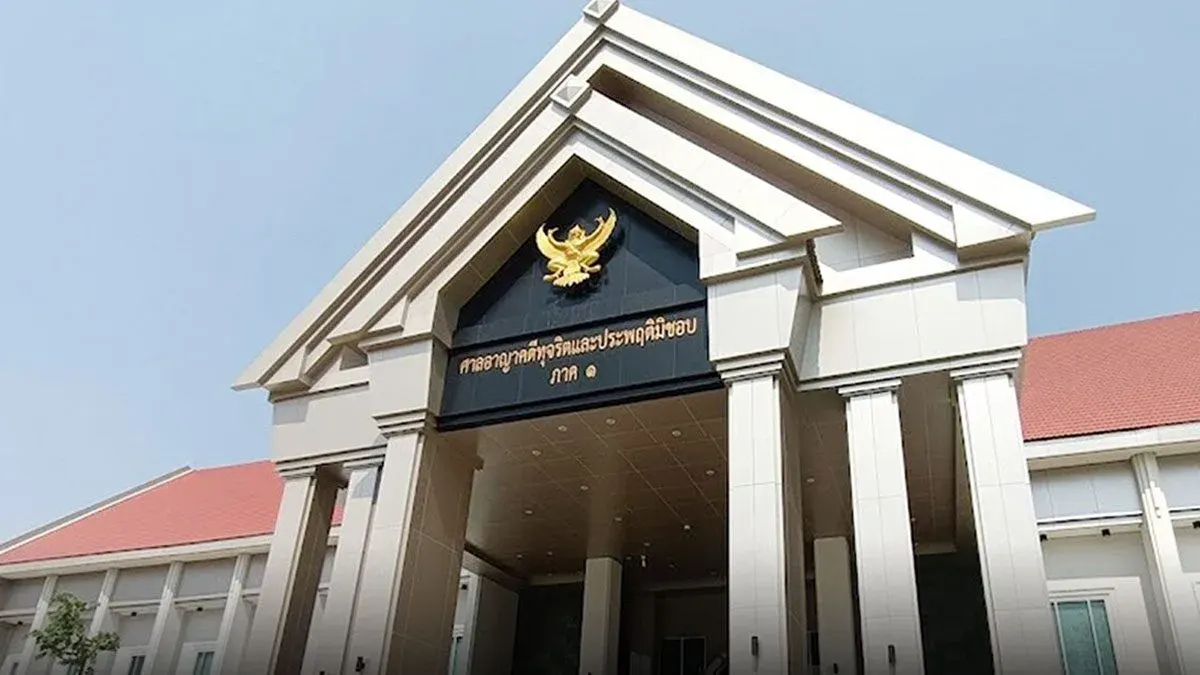
The Constitutional Court's dismissal of the Election Commission's petition establishes a key principle: EC decisions are subject to judicial review. The dispute began when Senate candidates asked the Supreme Court to verify three senators' qualifications, alleging they registered in the wrong occupational groups. The Supreme Court accepted the case, but the EC argued its nomination orders were final and unchallengeable. The Constitutional Court rejected the EC's petition, stating that ruling on the EC's powers would require also ruling on the Supreme Court's powers — which it cannot do because the Supreme Court is not an organization under Article 210(2). The ruling confirms that EC actions can be challenged in court, opening the door for the 77 people indicted by the EC (out of 229 originally accused) to appeal, and for the EC itself to be sued. This is already happening: a reserve senator has sued EC Secretary-General Sawang Boonmee and the EC in Nonthaburi Provincial Court over the rejection of financial evidence in the Senate election case. The court transferred the case to the Criminal Court for Corruption and Misconduct Cases Region 1, which uses an inquisitorial system with broad fact-finding powers. If the inquest finds the EC's rejection of evidence constituted dereliction of duty — including the unexplained reduction of suspects from 229 to 77 — those responsible could face serious consequences. The outcome depends on the facts, which should emerge soon.