Constitutional Court Rejects Election Commission Jurisdiction Petition
Thailand's Constitutional Court unanimously rejected the Election Commission's petition to define its jurisdiction over MP qualifications and the Supreme Court's authority, ruling the Supreme Court falls outside its purview. The decision redirects focus to the EC's handling of election fraud cases now proceeding to the Supreme Court, while the EC majority and its Secretary-General face criminal malfeasance charges. The case tests the credibility of Thailand's electoral institutions and underscores that independent agency members are legally accountable.
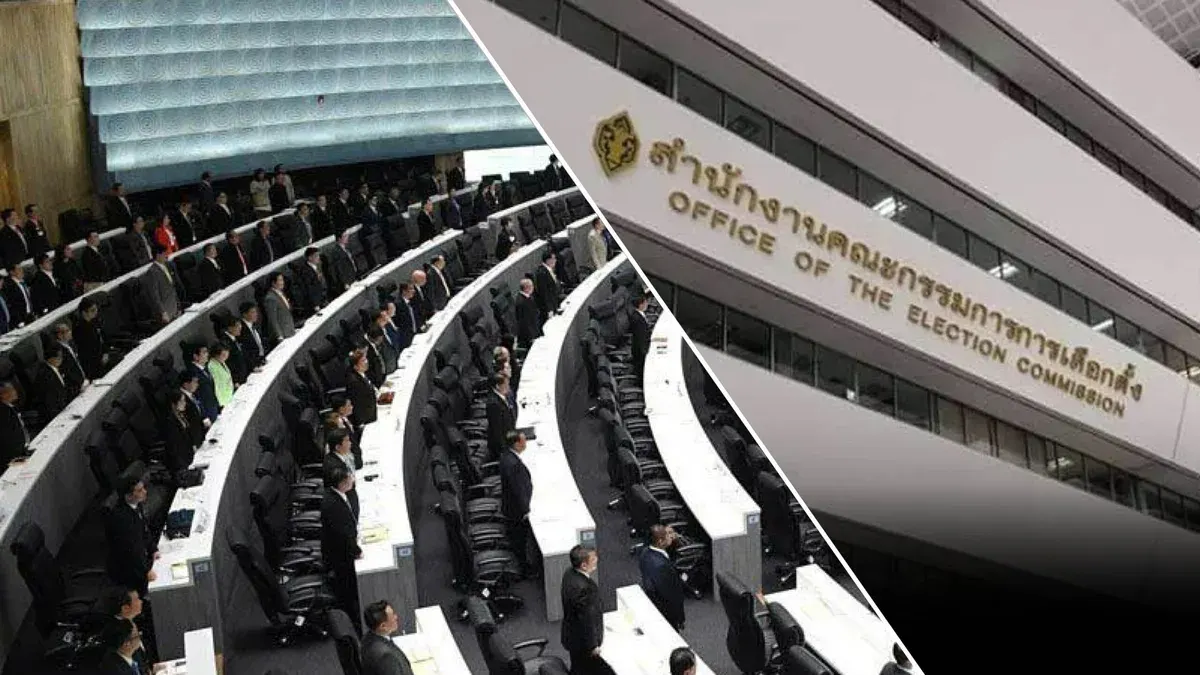
The Constitutional Court unanimously dismissed a petition by the Election Commission (EC) seeking a ruling on its authority to verify MP qualifications and the Supreme Court's jurisdiction, providing legal clarity on the matter. The court reasoned that the Supreme Court is not among the bodies over which the Constitutional Court has jurisdiction under Article 210(2) of the Constitution. Moreover, the dispute relates to a case currently before the Supreme Court, and accepting it could affect the judicial authority and proceedings of the courts of justice under Article 194.
The ruling shifts the focus back to the EC's operations, particularly the preparation and submission of election fraud case files to the Supreme Court — a process the public must monitor closely. The EC majority has faced public scrutiny on several fronts, notably its September 14, 2026 resolution to pursue cases against 77 individuals out of 229 originally accused, and its refusal to consider financial trail evidence from the Department of Special Investigation (DSI), which the EC minority opposed. These issues still await fact verification and explanations from those involved.
Separately, the EC majority and the EC Secretary-General face criminal complaints filed by citizens for malfeasance in office under Criminal Code Article 157, carrying a prison term of 1–10 years, and violations of the Organic Act on the Acquisition of MPs Article 32. Two EC minority members withdrew their complaints to serve as witnesses. Most recently, on November 26, the Criminal Court for Corruption and Misconduct Region 1 accepted the case for consideration.
In Thai political history, three former EC members were sentenced to prison by the Supreme Court for dereliction of duty in the 2006 election, underscoring that independent agency members are accountable under the law like any state official. The current situation thus tests the credibility of election-related bodies, requiring every step to be transparent and verifiable. The November 25 ruling allows the investigation of MP election fraud cases to proceed in the courts of justice, especially the Supreme Court, which will play a key role in examining facts, witnesses, and evidence. What the public must now follow is the progress of each case and the performance of all parties within the legal framework, so that truth emerges and justice is served.