Dem Party Leader Urges Election Commission Complaint Over Senate Case
Democrat Party leader Thawee Sodsai challenged an Election Commission decision dismissing all charges in a Senate election case, arguing it exceeds constitutional authority and questioning whether two witnesses were properly involved in all
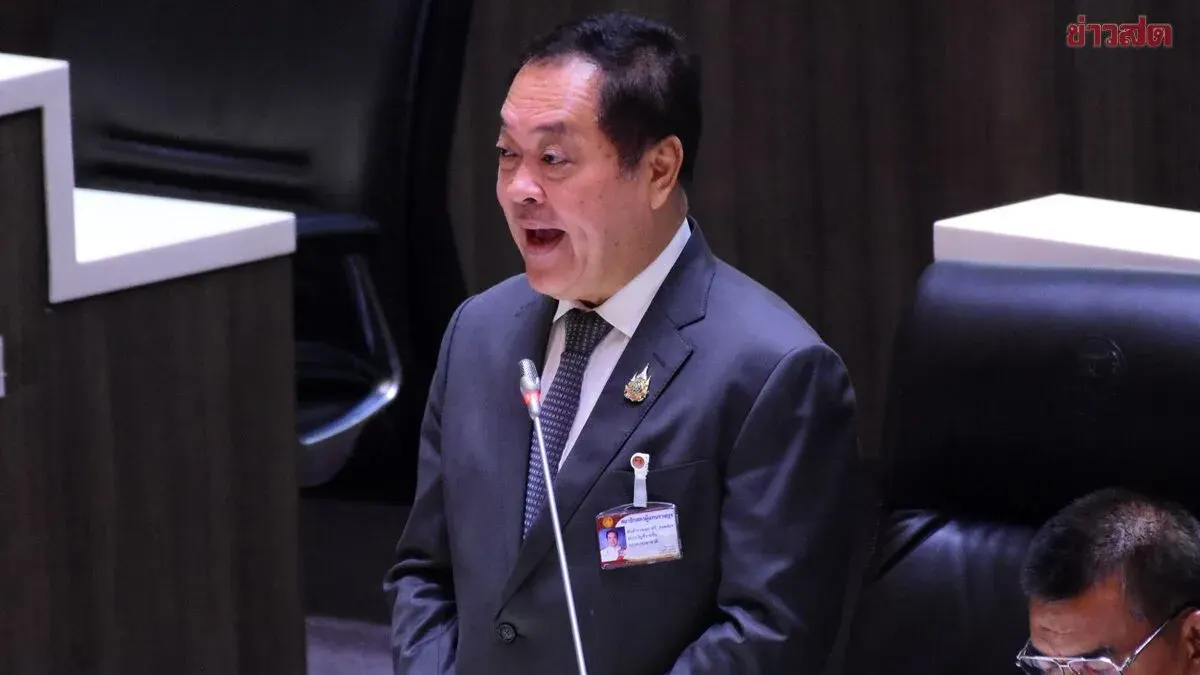
On 18 September, Thawee Sodsai, leader of the Democrat Party, posted that an Election Commission resolution must not exceed constitutional authority, stating the resolution is final but the matter is not closed. The commission can detain individuals as witnesses in criminal cases but cannot remove them from the Supreme Court's jurisdiction. On 14 September, the Election Commission voted 5-2 to dismiss all charges in the Senate election case. However, serious questions persist about whether this decision upholds constitutional supremacy, particularly regarding two senators identified as witnesses: witness code 21/26 and witness code 22/26. Witness 21/26, candidate number 150 from the Education Group, received 30 points in the self-selection round and 69 points in the cross-selection round, ranking first in the group. An investigation found 16 ballots with identical sequential numbers 1-10 including number 150. The witness testified that their number was included in a slate in both rounds and understood the high score came from a coordinated slate or number block prepared at Rajamangala University of Technology Suvarnabhumi, Ayutthaya campus. Witness 22/26, candidate number 5 from the Freelance Professionals Group, received 39 points in self-selection and 70 points in cross-selection, ranking second in the group. An investigation found 19 ballots with identical sequential numbers including number 5. According to published media reports, this witness testified that on 24 June 2024, they attended a meeting with approximately 30 national voters at a Centara Hotel in Ayutthaya, where voting procedures were explained and pre-filled candidate recommendation documents were distributed. Though the witness denied participating in slate creation, they acknowledged their number appeared in a coordinated block and understood most of their score came from such an organized slate. Both witnesses' statements link them directly to the slate system and explain their scores, and when combined with matching vote counts and voting patterns, this is not mere suspicion. Article 65 of the Constitutional Organic Law on Senate Member Selection allows the Election Commission to detain persons involved in or participating in the wrongdoing as witnesses when their information, leads, or testimony help prove others' guilt as principal offenders and can serve as key evidence in ruling on the violation. The decision to detain both individuals as witnesses reflects the Election Commission's view that they were involved or participated in wrongdoing, with other principal offenders yet to be identified. If charges regarding organized schemes, slate creation, and coordination are to be proven, the matter clearly remains unfinished.