Democrat Leader Urges PM to Reassess South Policy After Satun Blast
Democrat Party leader Abhisit Vejjajiva criticized the Prime Minister for neglecting the escalating violence in Thailand's southern border provinces after a rare bomb incident in Satun. He demanded a urgent policy review, better public safety communications, and intelligence reforms to prevent the unrest from spreading further across the region.
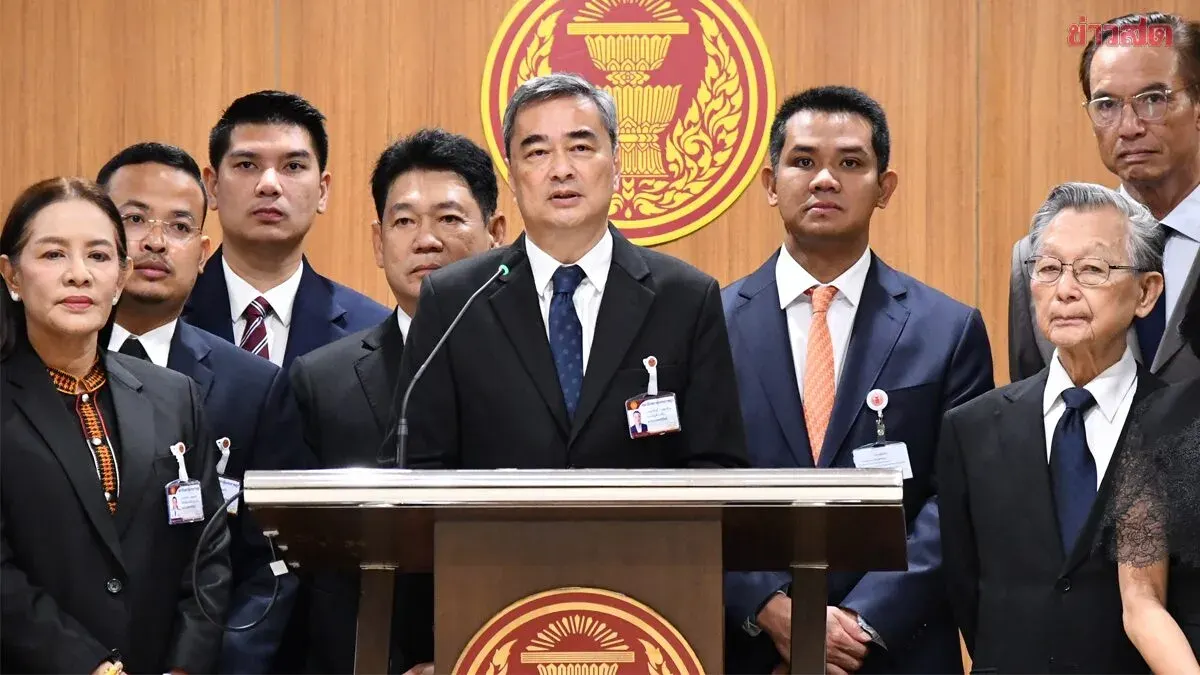
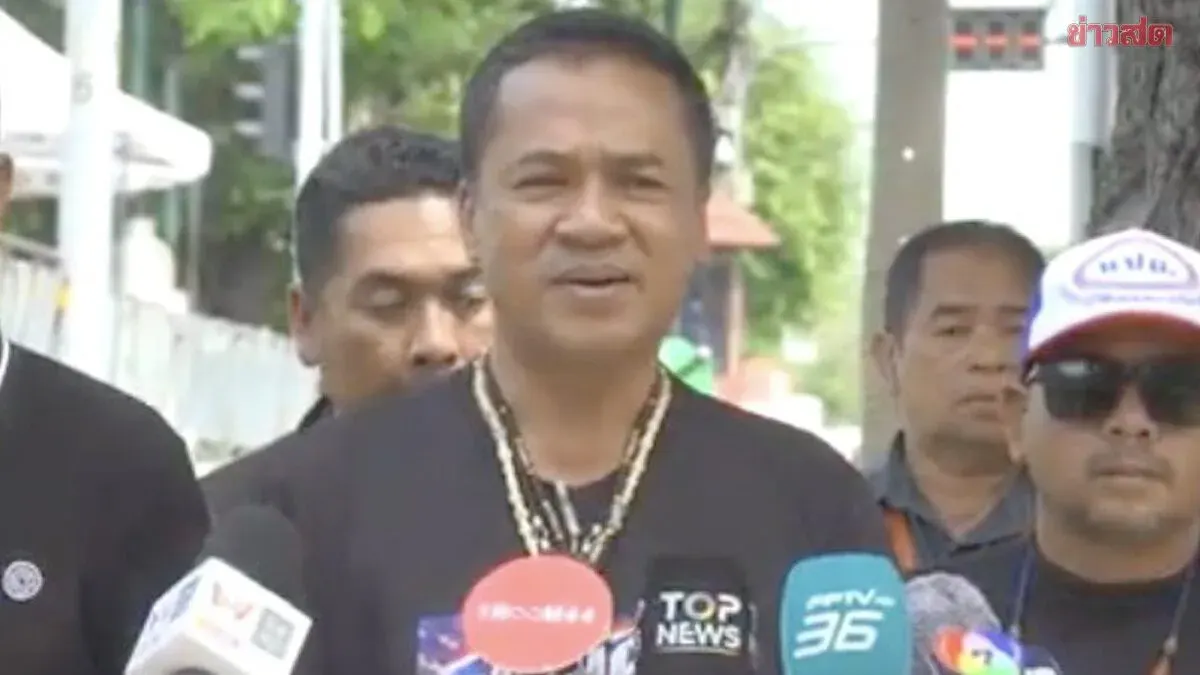
On November 12, 2026, at parliament, Democrat Party leader Abhisit Vejjajiva, party-list MP Chuan Leekpai, and other Democrat MPs briefed reporters on the deteriorating security situation in the southern border provinces. Abhisit said Democrat MPs must express concern over the unrest that has flared over the past two to three days across Yala, Songkhla, and Satun provinces. He urged the government, especially the Prime Minister, to treat the matter with special urgency, noting that during parliamentary debates the party had warned of signs that a cycle of violence could spiral out of control. The events of November 11, particularly in Satun — an area that had not previously experienced such incidents — confirm those warnings.
Abhisit outlined three demands: 1. After the incident, the government has alerted agencies in multiple southern provinces, not only the three border provinces and Satun. He wants clear public communications so residents across the South understand precautions, self-protection measures, and how to help maintain community safety. 2. The episode again highlights the government's intelligence shortcomings. MPs from all parties have stressed the need to improve intelligence work; otherwise, recurrences will endanger civilians and damage the region. 3. The Democrats believe the expanding unrest stems partly from the absence of a clear government policy or implementation plan. Monitoring on the ground and talks with stakeholders have long shown that policy ambiguity is deepening the conflict. There is still no clarity on the Prime Minister's stated goal of balancing dialogue with enforcement, nor on inter-agency coordination — who does what, where, and when — allowing the situation to spread.
Abhisit added that the current dialogue process is hampered by ideological clashes and distrust among involved parties, including state officials and opposing civilian groups. As head of the executive branch, the Prime Minister must step in to resolve this. "The Prime Minister's summoning of officials and his demeanor suggest he views the entire problem as merely an operational issue, as if policy bears no fault," Abhisit said. "We urgently ask for a comprehensive review to de-escalate the situation, at minimum preventing further spread. This is what the Democrats want to convey to the government and the public — to prioritize this issue and resolve it for the safety and wellbeing of our southern brothers and sisters, so the problem does not…"