Deputy Interior Minister Seeks Action Over Prachinburi Chemical Leak
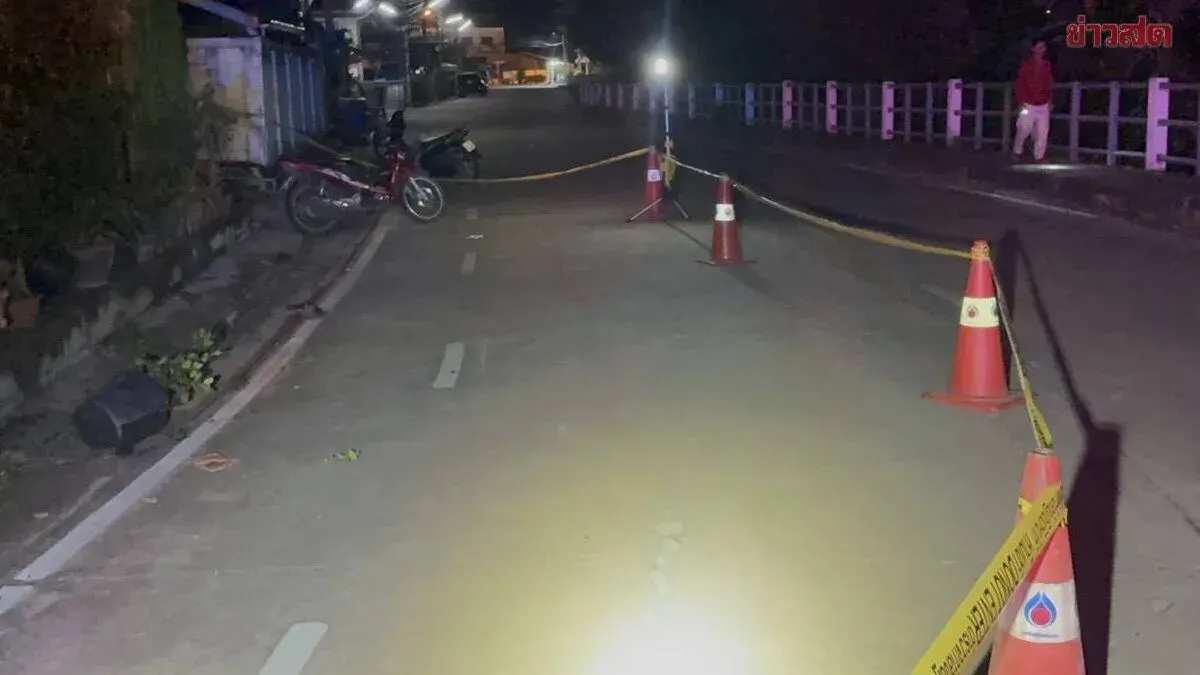
Deputy Interior Minister Pholphon Suwanchavee is pushing for criminal and civil charges against a chemical factory in Prachinburi after its leak affected flood‑stricken villagers. He says the plant is likely a nominee linked to a prominent local surname, with suspicious capital increases and shared accounting, prompting coordination with the Industry Ministry and the Anti‑Money Laundering Office. Authorities plan to inspect the facility, move toxic waste off‑site, and pursue penalties and compensation for impacted residents.
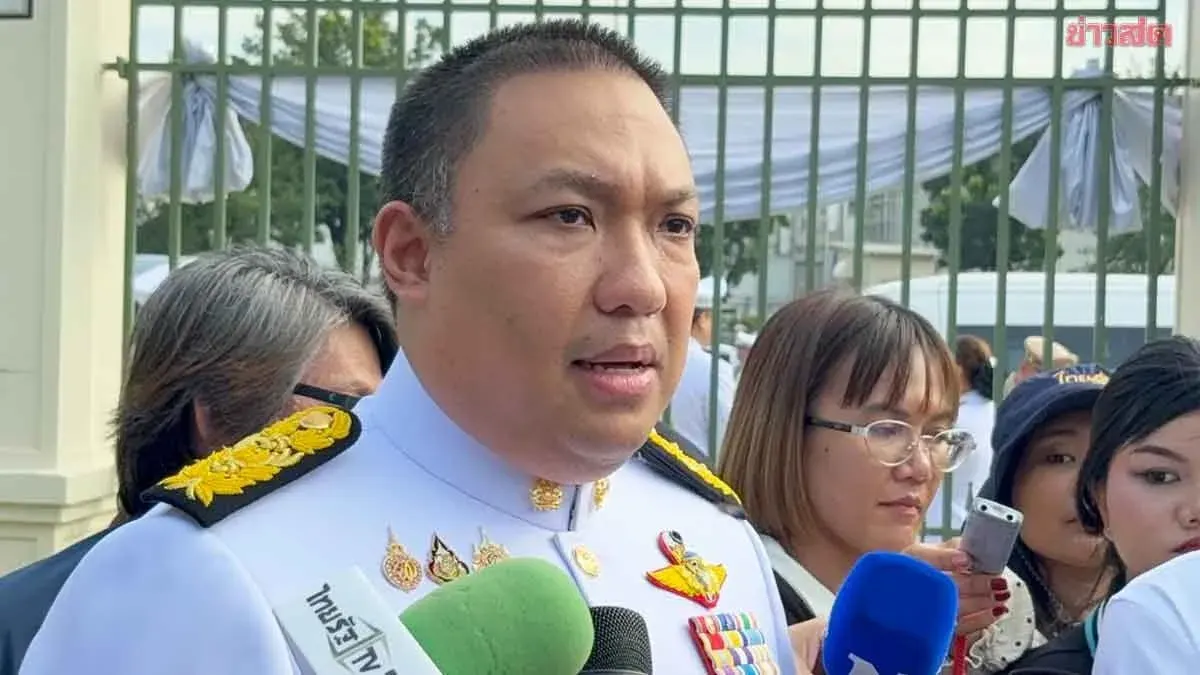
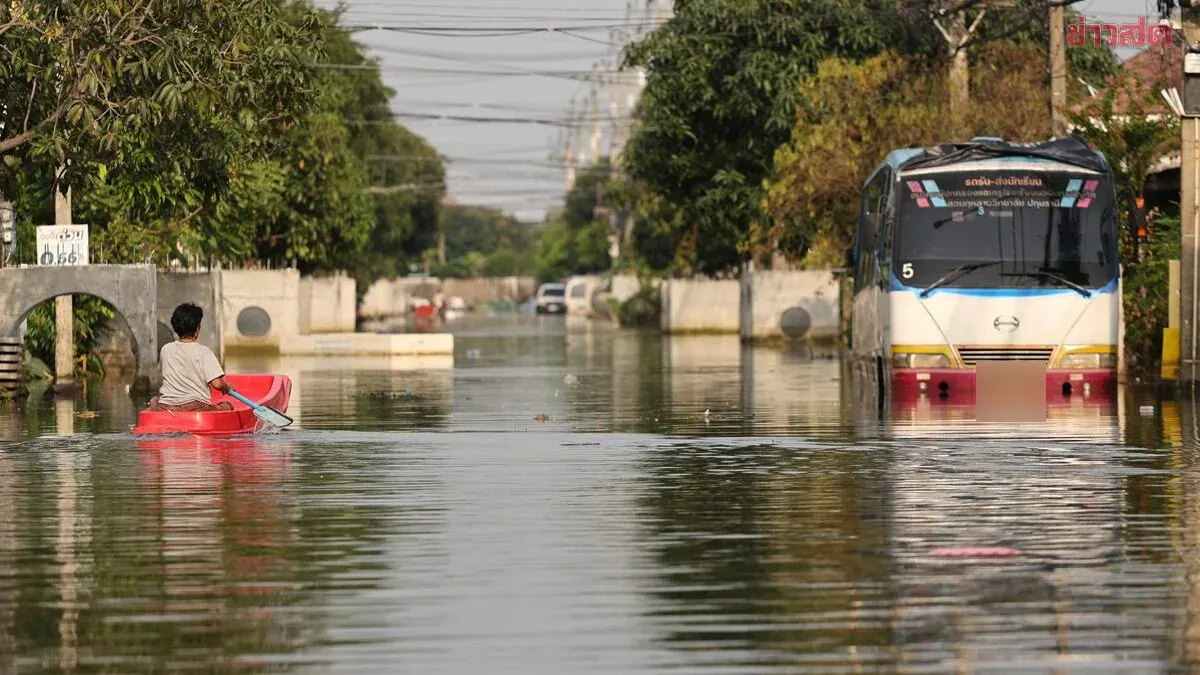
Pholphon said he had already contacted Industry Minister Warawut Silpa-archa, who instructed his deputies and permanent secretaries to examine and close the facility. Interior Ministry data shows foreign and Thai connections, with evidence pointing to a nominee arrangement: two Thai individuals sharing the same surname hold cross-ownership of two companies. One company’s registered capital rose from five million to one hundred million baht, while the other increased to three hundred million baht, with total assets around 570 million baht. Both firms use the same accounting firm and auditor, prompting a referral to the Anti-Money Laundering Office to scrutinize financial flows and land holdings. If wrongdoing is confirmed, the companies will be phased out and the ministries will collaborate to move toxic waste off-site for public safety. Pholphon stressed that any compensation offered by the firm is insufficient; legal penalties, whether criminal or civil, must be pursued to hold the factory accountable for the toxic release. He also said investigations should extend to port customs checks to verify how containerized waste enters the country, insisting on document inspection rather than mere weight checks. Nearly all waste buried in Prachinburi appears to be imported, requiring further scrutiny. He confirmed the Interior Ministry is not idle, having gathered information within a day of being alerted by the provincial deputy governor. Regarding the flood spreading contaminants, Pholphon noted that fishing communities are clearly affected, and attributing impacts solely to stagnant water is unacceptable given the confirmed presence of hazardous substances in waterways. He urged the Industry and Interior Ministries to determine appropriate penalties and compensation for residents whose livelihoods depend on the area. For consumers, he warned against eating fish, livestock, or poultry that may have died in contaminated waters, advising burial instead, while noting vegetable plots are less of a concern due to widespread flooding.