Opposition Urges PM to Authorize Factory Inspections in Prachuap Khiri Khan
Opposition lawmakers demand PM authorization for factory inspections in Prachuap Khiri Khan after toxic waste dumping and wastewater pollution persist despite repeated state visits, with concerns that foreign capital interests are obstructi
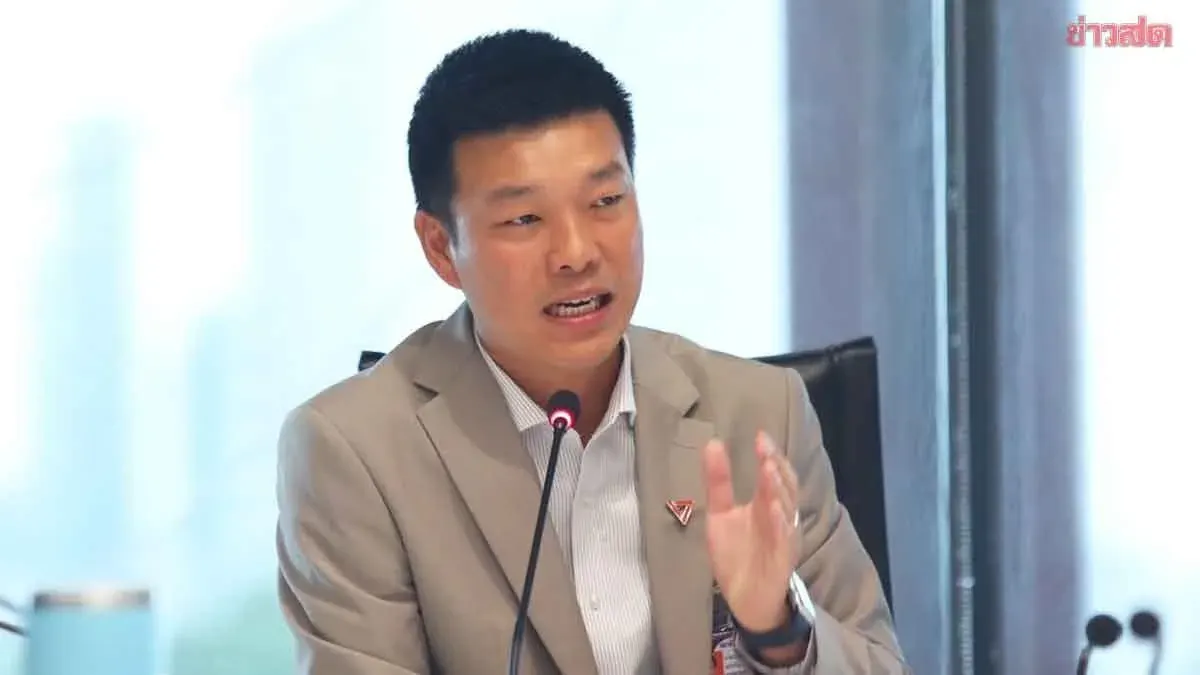
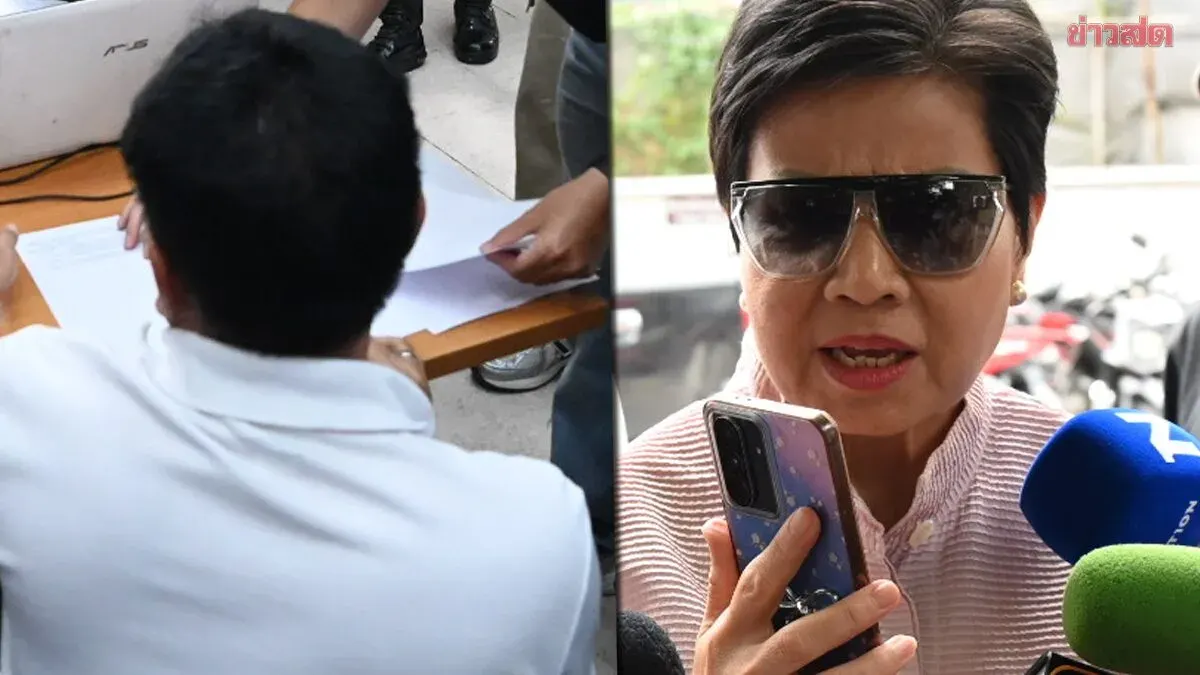
At 9:30 a.m. on August 19, 2025, at Parliament, opposition MP Karunphol Thiensuwan announced the shadow cabinet's review of the situation in Prachuap Khiri Khan province, stating that conditions are worsening rather than improving. Beyond illegal dumping of toxic industrial waste, community leaders are demanding serious action from the government. Field visits to Ta Toom subdistrict revealed complaints of wastewater discharge and strong odors, with residents reporting that state agencies have inspected multiple times yet the problems remain unresolved.
With five factories in the area—four foreign-owned—Thiensuwan noted concerns that foreign and large capital interests may be using money and off-the-books influence to obstruct state officials from solving these problems. He compared conditions inside and outside industrial zones, observing that factories within regulated industrial estates have laws and oversight allowing sustainable problem-solving, while unregistered factories outside such zones receive no attention. Without government action, he warned, residents who complain risk intimidation or disappearance. Officers acknowledged attempted checkpoints and inspections occur at night, but illegal earth-mining has created deep pits used as illegal dump sites, allowing toxic waste to seep underground.
In agricultural Prachuap Khiri Khan, a major fruit-growing region, underground contamination threatens not only local drinking water but farm products distributed nationwide. "If the state cannot manage foreign capital, influential figures, and toxic waste in Prachuap Khiri Khan, the problem will spread across the country," Thiensuwan said.
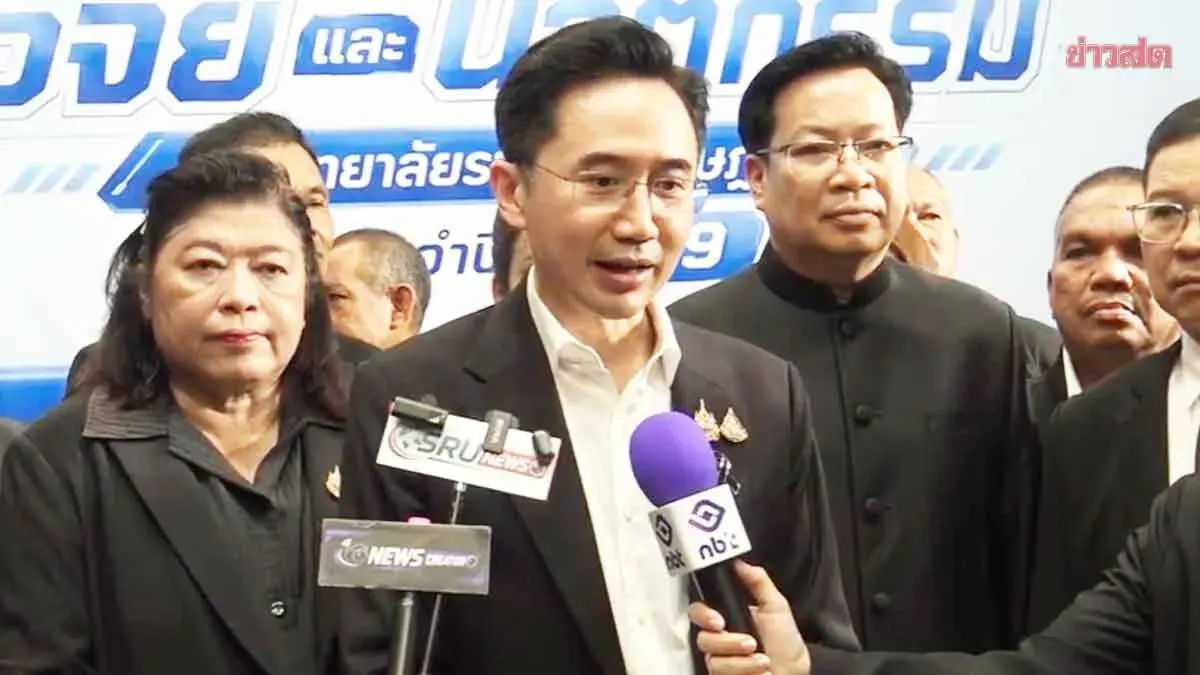
Opposition party leader Nattapong Rueangpanyavut noted that illegal dumping is not new; arrests are made but offenders are released. Immigration police stated they want to inspect unregistered labor in illegal factories but cannot proceed because gray-capital lawyers sue officials, making enforcement difficult. Officials are requesting an authorization document to conduct inspections without legal exposure. The opposition proposes three solutions, beginning with political courage: the Prime Minister should sign authorization allowing proper enforcement to protect public confidence in economic development through the Eastern Economic Corridor, while preventing additional problems.