Lanta & News
No. 01 · ENDLESS
National

Thai Consumer Confidence Rises for Second Month

Thai consumer confidence rose to 51.1 in July, marking a second consecutive month of gains boosted by government cost-of-living relief programs, export growth, and increased tourism.
Thai Consumer Confidence Rises for Second Month
5 Aug Khaosod

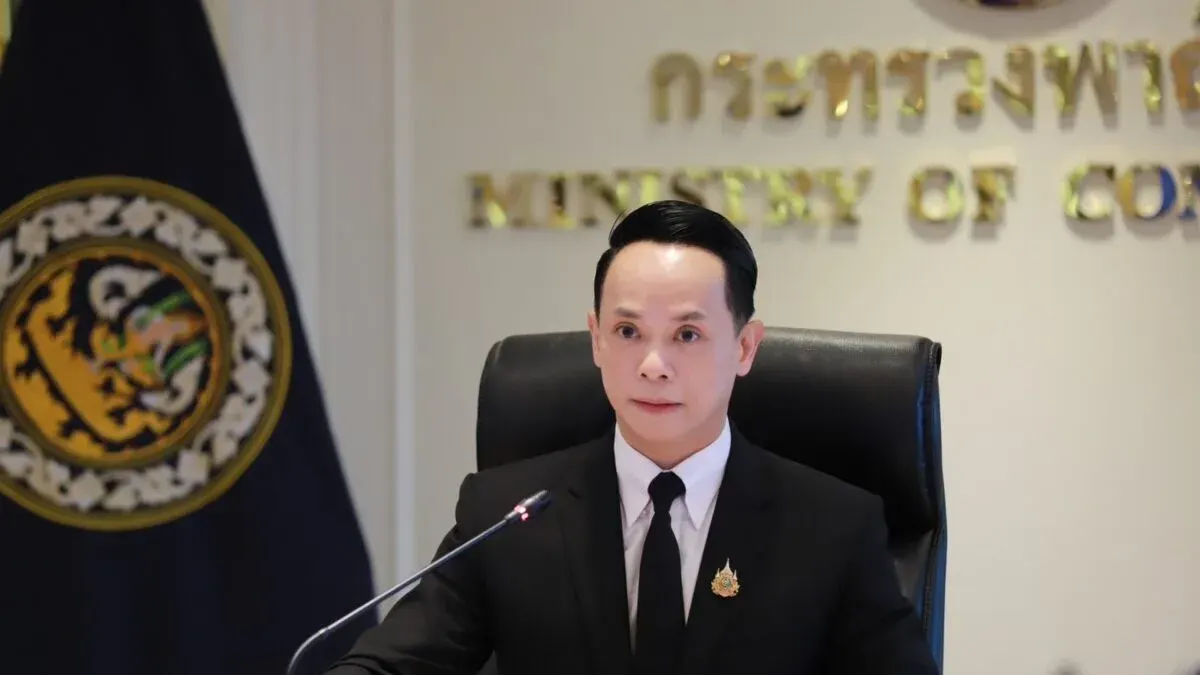
The Ministry of Commerce revealed consumer confidence results from a nationwide survey of 5,524 respondents. The overall consumer confidence index for July 2025 stood at 51.1, representing the second consecutive month of gains from the previous month's 50.2. Future confidence for the next three months reached 57.3, up from 56.8, while current confidence improved to 41.7 from 40.2, though still in the non-confident range.

Nanthapong Jirakolaiphong, director of the Office of Trade and Investment Policy, identified three key factors supporting confidence: state measures, particularly the Thai Help Thai Plus program, which relieved cost-of-living pressures and stimulated household spending and small business income; sustained export growth driven by global demand and accelerated shipments ahead of new tariff measures; and improved tourism from continued foreign visitor arrivals and state-sponsored tourism promotion initiatives across multiple regions.

Factors weakening confidence included ongoing concerns about living costs, high household and business debt levels, and escalating Middle East tensions combined with uncertain trade policy measures from trading partners that could affect Thai production, trade, and consumption.

Regional analysis across five regions showed the Northeast leading at 52.9 points, followed by the Central region at 50.2, Bangkok and surrounding areas at 52.7, the North at 51.0, while the South declined to 49.2 from the previous 50.1. The top three confidence factors across regions were Thai economic conditions, state measures, and global economic outlook.
No. 01 of Read at source → Next
National

Myanmar President Arrives in Thailand for State Visit

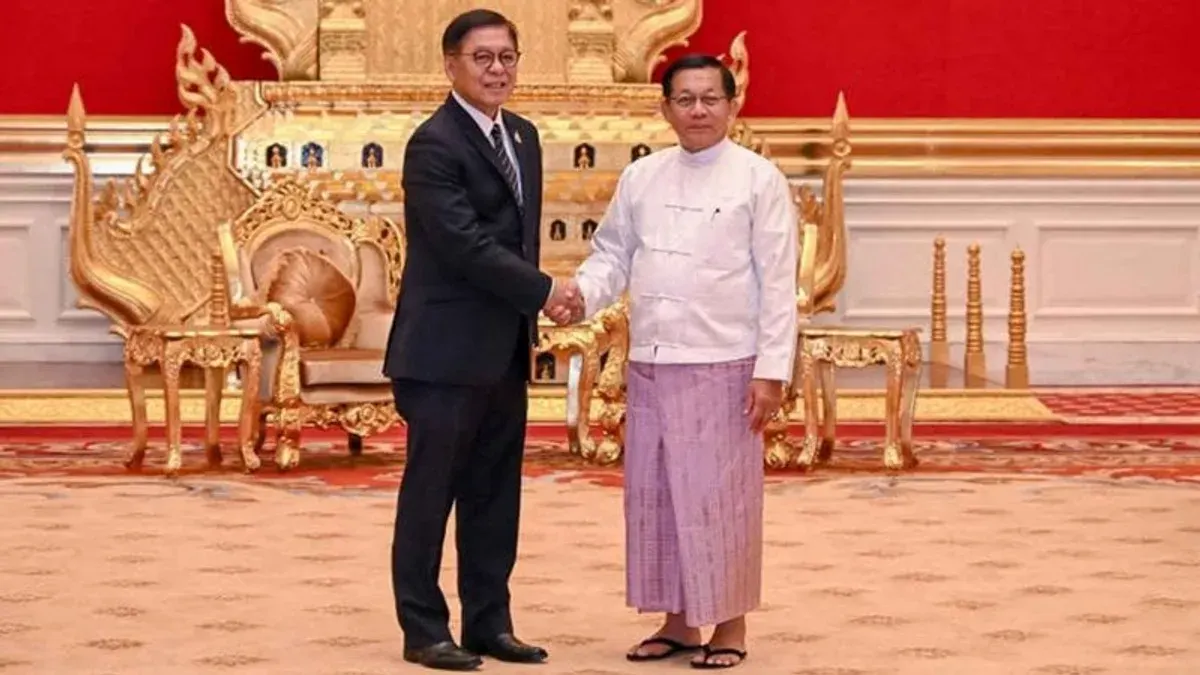
BANGKOK: Myanmar President Min Aung Hlaing is scheduled to arrive in Thailand tomorrow (Aug 6) for a two day visit, marking his first trip here since becoming a civilian leader.

Myanmar President Arrives in Thailand for State Visit
5 Aug The Phuket News

BANGKOK: Myanmar President Min Aung Hlaing is scheduled to arrive in Thailand tomorrow (Aug 6) for a two day visit, marking his first trip here since becoming a civilian leader.

No. 02 of Read at source → Next
Police

Swedish Woman Wanted by Interpol Arrested in Phuket

Swedish woman wanted by Interpol for a 60-million-baht fraud scheme involving over 14 accomplices was arrested in Phuket and will be deported to Sweden.

5 Aug The Thaiger Crime

Swedish woman wanted by Interpol arrested in PhuketLegacyA Swedish woman wanted on allegations of fraud against the public under an Interpol Red Notice was arrested in Phuket yesterday, August 4, after immigration police tracked her to the island. Police said the woman, identified only as Felicia, and more than 14 accomplices allegedly posed as employees of finance companies and banks in early 2022, making more than 163 fraudulent calls that persuaded victims to transfer money. The alleged scam caused losses exceeding 60 million baht. Photo via Phuket Info Centre Investigators located the Swedish national in Wichit, Phuket, at about 2pm yesterday before approaching and verifying her identity. Immigration records showed she entered Thailand through Ranong Customs Pier on January 31 on a tourist visa valid until March 31. She later obtained an extension from Phuket Immigration allowing her to remain in the country until August 31. Photo via Phuket Info Centre Phuket Info Centre reported that police have since revoked her permission to stay in Thailand. She has been transferred to Phuket Immigration and will be deported to Sweden in accordance with immigration procedures. The Immigration Bureau said it would continue working with domestic and international security agencies to locate and arrest fugitives wanted under international warrants. It added that Thailand would not become a refuge for transnational criminals or foreign nationals who pose a threat to national security and public order. Photo via Phuket Info Centre Similarly, back in January, police arrested a Russian national wanted under an Interpol warrant after locating him hiding in the city centre of Phuket. The man reportedly fled his home country and entered Thailand to evade prosecution. According to immigration police, the suspect is a construction contractor accused of colluding on a construction project, an offence that reportedly caused financial damage exceeding 100 million baht. The story Swedish woman wanted by Interpol arrested in Phuket as seen on Thaiger News.

No. 03 of Read at source → Next
Police

Tiger Attack Analysis Raises Questions About Death

A Facebook analysis of a deadly tiger attack at Huai Kha Khaeng Wildlife Sanctuary questions the circumstances, noting the absence of blood at the scene and no signs of struggle that would be typical in such incidents. Experts say the attac

Tiger Attack Analysis Raises Questions About Death
5 Aug Khaosod

A popular Facebook analysis questions the circumstances surrounding a tiger attack on a Huai Kha Khaeng Wildlife Sanctuary official, Sakrin Vichajaroen, who was killed after a tiger dragged him from his sleeping quarters in an open-sided shelter. The Thailand Tiger Project DNP page posted a detailed behavioral analysis on August 5, 2026, noting the absence of blood droplets at the scene, no signs of struggle, and questioning whether the victim was in such deep sleep that he felt nothing from the tiger's claws and fangs.

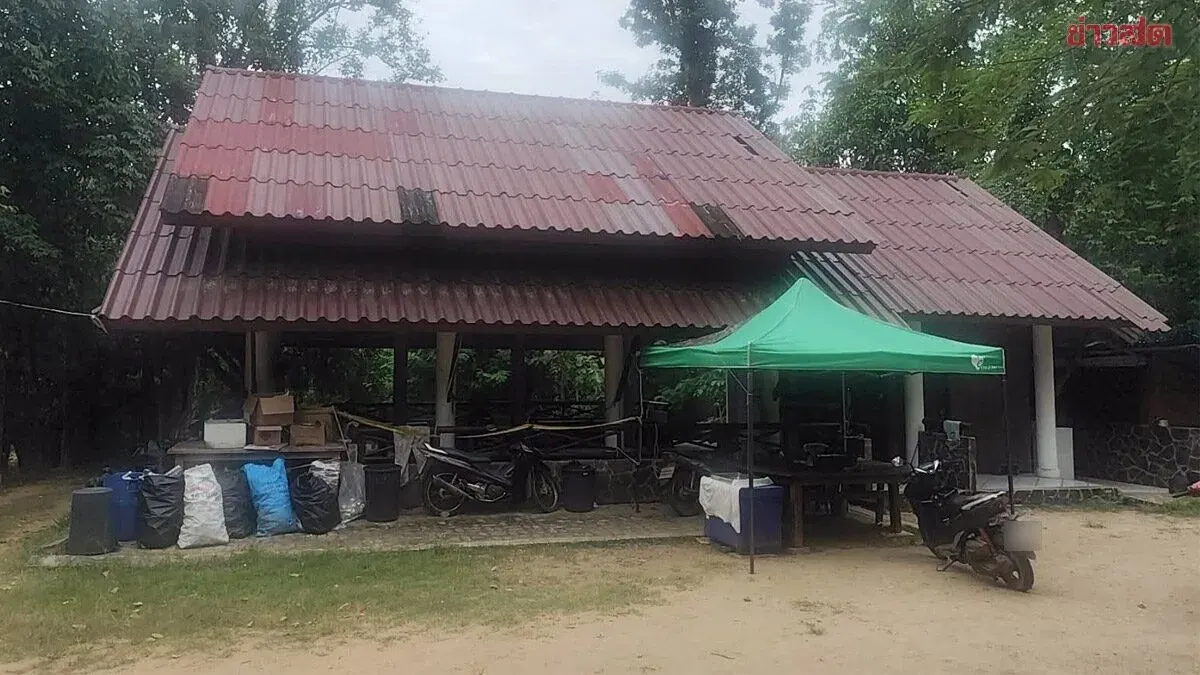
The analysis examined the scene at the Kham Makham kitchen shelter, a low-fenced open structure where tiger paw prints are commonly found. Evidence showed the tiger carried the man over the fence easily without using designated walkways, yet no blood was found in the sleeping area. A blood-stained mosquito net was discovered about 15 meters from the building, but no blood trail was visible between the initial location and where the body was found.

The post noted that this behavior contradicts typical tiger hunting patterns and is highly unusual, as tigers normally avoid humans who move. It emphasized that such an incident does not represent normal predatory tiger behavior and called for waiting on autopsy results before drawing conclusions or implementing prevention measures.

No. 04 of Read at source → Next
National

Sugarcane Farmers Squeezed as Costs Soar, Prices Stall at 850 Baht Per Ton

Sugarcane farmers in Nakhon Ratchasima are losing money as production costs soar while the government-set price remains stuck at 850 baht per ton, leaving many unable to break even.

Sugarcane Farmers Squeezed as Costs Soar, Prices Stall at 850 Baht Per Ton
5 Aug Khaosod

Sugarcane farmers in Nakhon Ratchasima province are facing severe hardship during the 2568/69 production season, caught between sharply rising production costs—labor, diesel, fertilizer, and other expenses—and a government-set base price of only 890 baht per ton for sugarcane with 10 degrees Brix sweetness. The cabinet's decision does not align with farmers' actual expenses and operational burdens. Additionally, a government program called "Fresh-Cut Sugarcane for PM 2.5 Reduction" approved with an additional budget of 477.05 million baht to assist farmers during the 2567/68 season remains in the implementation stage, with compensation payments still pending.

Vicharn Tangtah, 60, a sugarcane farmer in Si Khio district, disclosed that he planted 16 rai of sugarcane with an investment exceeding 100,000 baht. He paid 5,500 baht per rai for planting and variety selection, plus costs for fertilizer, labor, diesel for tractors, and other expenses—everything is expensive. Yet when he sells his sugarcane, he receives only 850 baht per ton before deducting transportation, harvesting, and other costs. He could break even if he harvests 15–20 tons, but below 10 tons becomes difficult.

This year, drought struck. Rain came sporadically, weeds overran the fields, and he had to hire spray teams at 150 baht per rai to apply herbicide. He also had to irrigate the cane. When diesel prices spiked to 51 baht per liter, pumping water to irrigate burned through 1,000 baht per gallon daily—10 days of pumping cost 10,000 baht, and he still needs a second round. Fortunately, fuel prices have since eased.

Tangtah's plea to the government: raise the purchase price to 1,400 baht per ton, no lower. Production costs for fertilizer, chemicals, labor, and fuel remain prohibitively high.

No. 05 of Read at source → Next
National

Thailand Tightens Visa Rules for Relocating Expats in 2026

Thailand is tightening visa rules for expats in 2026, capping land border crossings at two visa-exempt entries per year and enforcing stricter documentation requirements. Relocating still requires careful planning around new visa restrictio

5 Aug The Thaiger Travel

Everything you need to decide, and do, before relocating to Thailand in 2026LegacyThe 60-day visa exemption is still on the books, but the shortcuts around it are closing. Land border crossings are now capped at two visa-exempt entries per calendar year, and immigration officers are actively enforcing proof of onward travel, confirmed accommodation, and a 20,000 baht cash reserve at the border. If your plan for staying in Thailand long-term was another border run, that plan no longer works. None of that changes why people want to move here. It changes how carefully you need to set it up: visa rules have tightened, the baht has strengthened against most Western currencies, a new foreign income tax rule is in its third year of enforcement, and a widely reported July 2026 safety incident in Pattaya was a reminder that “it’ll be fine” is not a relocation strategy anywhere. This guide is for two different readers making the same decision about relocating to Thailand: a retiree weighing Thailand against the alternatives, focused on visa longevity, healthcare access, and locking in good terms while they still can, and a younger professional or remote worker who needs to know what they’re actually signing up for before they land On this page:

Section Summary

Why people are still choosing Thailand Why Thailand continues to attract expats despite changing visa rules, taxes and rising living costs.

Choosing where to live Compare Thailand’s most popular expat destinations by lifestyle, budget and day-to-day living.

Visa options in 2026: which one is actually right for you An overview of Thailand’s main long-stay visas and who each one is designed for.

The financial picture: what it actually costs to relocate and live in Thailand in 2026 A realistic look at relocation costs, monthly expenses and financial planning.

Healthcare in Thailand: what expats can actually access and what it costs What expats can expect from Thailand’s healthcare system and typical treatment costs.

Health insurance: the decision that underpins everything else Why choosing the right health insurance is one of the most important relocation decisions.

The practical checklist: what to sort before you land A practical checklist covering everything to organise before arriving in Thailand.

Is Thailand still worth it in 2026? The final verdict on whether relocating to Thailand still makes sense in 2026.

Why people are still choosing Thailand Ask most long-term expats why they stayed longer than planned, and the answer is rarely visa logistics. It’s the pace of life: year-round warmth, easy access to some of the world’s best beaches and islands (Koh Samui, Koh Lanta, Koh Chang, the Andaman coast), and a rhythm to daily life that’s hard to replicate back home. Photo by Thanakorn Phanthura from Pexels Street food runs 50 to 80 baht a meal, and world-class restaurants cost a fraction of what they would in London, Sydney, or Los Angeles. Thailand also has one of the most established expat communities in Asia, with English widely spoken in business, hospitality, and healthcare, which matters more to retirees than most guides admit. On the numbers, a comfortable single-person budget ranges from around 32,000 baht a month in Isaan to well over 100,000 baht in central Bangkok, and Thailand ranks 4th globally for JCI-accredited hospitals, with 68-plus facilities nationwide. What’s genuinely changed since 2023 is worth naming honestly, because it sets the tone for anyone relocating to Thailand in the next few years:

A foreign income tax rule now applies to money remitted into Thailand Visa enforcement has tightened considerably, with land border crossings capped and repeat “tourist” stayers facing active denial of entry Health insurance is now a hard requirement for most long-stay visas, not a suggestion A stronger baht has pushed up real costs for anyone earning or holding savings in US dollars, pounds, euros, or Australian dollars

Thailand is still a genuine quality-of-life upgrade for most people who move here. But the era of turning up and figuring it out as you go is over. The people who do well here in 2026 are the ones who treat the visa, the tax position, and the insurance as one decision, sorted before they land. Choosing where to live Where you settle in Thailand matters more than most lifestyle guides suggest, and it’s one of the biggest decisions anyone relocating to Thailand will make. Hospital proximity, expat community density, internet reliability, and how easily you can access visa help all shape day-to-day life more than the postcard version of a location. Photo by holgs from Getty Images Bangkok is the country’s business and hospital hub, home to Bumrungrad International, Bangkok Hospital, Samitivej Sukhumvit, and BNH, at 65,000 to 115,000 baht a month. The honest downside: heavy traffic and seasonal PM2.5 pollution between January and April. Chiang Mai offers a lower cost of living (43,000 to 72,000 baht a month), a mature expat community, and solid private healthcare through Bangkok Hospital Chiang Mai and Chiang Mai Ram. The honest downside: severe agricultural-burning smog from February through April sends many residents temporarily elsewhere. Phuket and the coastal areas suit lifestyle-first relocators wanting island access, with Bangkok Hospital Phuket and Siriroj International providing good private care, at 65,000 to 108,000 baht a month. The honest downside: transport monopolies and tourist overcrowding inflate everyday costs. Hua Hin, three hours south of Bangkok, has an established retirement community and Bangkok Hospital Hua Hin on the ground, at 50,000 to 80,000 baht a month. The honest downside: quiet nightlife and reliance on Bangkok for anything beyond routine care. Koh Samui offers island living with more developed expat infrastructure than most Thai islands, backed by Bangkok Hospital Samui, at 58,000 to 94,000 baht a month. The honest downside: monopolised flight pricing and monsoon flooding risk, November through December. Pattaya has one of the largest expat communities outside Bangkok and improving hospital infrastructure, at a relatively affordable 47,000 to 80,000 baht a month. The honest downside: its nightlife industry pushes many long-termers toward quieter districts like Jomtien. Isaan (Khon Kaen, Udon Thani, Korat) and the northern mountains (Mae Hong Son, Pai) are the cheapest options, from 29,000 to 54,000 baht a month, with large expat communities in Isaan and near-total isolation in the north. The honest downside in both: private hospital access is thin to non-existent, with the nearest serious facility often three to four hours away, which makes insurance with medical evacuation cover non-negotiable rather than a nice-to-have. Wherever you land, proximity to a JCI-accredited private hospital is the single most underweighted factor in most relocation decisions, and it matters more as you age. Visa options in 2026: which one is actually right for you The informal playbook, extended tourist stays and repeated border runs, no longer works for anyone relocating to Thailand long-term. Every viable long-stay visa now comes with its own financial threshold, and increasingly, its own insurance requirement.

Visa Who it’s for Key requirements Insurance required?

O-A Retirement Over-50s 800,000 baht in a Thai bank, or 65,000 baht monthly pension income Yes, OIC-compliant ⚠️

DTV Remote workers and freelancers 500,000 baht in liquid savings, 5-year multiple-entry validity, up to 180 days per entry Not mandatory, but strongly recommended

LTR High earners and wealthy pensioners Around US$80,000 a year in income (about 2.61 million baht), or US$80,000 salary plus US$1 million in assets Yes, US$50,000 health insurance coverage, or a US$100,000 cash deposit (approximately 3.27 million baht) as a substitute.

Thailand Privilege Anyone who can afford it From 900,000 baht (5-year Gold tier) to 5 million baht (20-year Reserve tier) ⚠️ Not required

Non-B Work Visa Employed by a Thai company Employer-sponsored, work permit required Via employer

⚠️ Sources disagree on the exact O-A insurance minimum, ranging from 400,000 baht inpatient cover to 3 million baht (roughly US$100,000) in combined coverage.  ⚠️ Note: the Bronze tier at 650,000 baht (also 5 years) remains available until September 30, 2026. After that date, Gold at 900,000 baht becomes the entry point. Every viable long-stay option now requires health insurance meeting specific minimums, or strongly recommends it. The insurance decision and the visa decision are the same decision, so sort them together, not one after the other. The financial picture: what it actually costs to relocate and live in Thailand in 2026 Photo by cgdeaw from Canva Relocating to Thailand involves one-time costs that scale with how you’re arriving:

DTV, modest setup: around 156,000 baht (roughly US$4,780), covering visa fees, a housing deposit, flights, and initial living costs O-A retiree, comfortable setup: around 330,000 baht (about US$10,107) Thailand Privilege, luxury setup: 1.74 million baht or more (upwards of US$53,292), largely driven by the membership fee itself

Monthly living costs follow the same city-by-city range covered above. The foreign income tax rule, enforced since January 1, 2024, is still widely misunderstood: if you spend 180 days or more in Thailand in a calendar year, you’re a tax resident, and foreign-sourced income remitted into the country is assessable at progressive rates from 5% to 35%, for income earned on or after that date. Savings earned before December 31, 2023, remain permanently exempt on remittance if documented. A proposed two-year tax-free window stalled ahead of Thailand’s February 2026 election, so the stricter rule still applies. A Thai tax advisor is worth the consultation fee before moving significant money. The cost most people underbudget is health insurance, and it scales hard with age:

30s: 54,000 to 90,000 baht a year on a comprehensive international plan 50s: 135,000 to 220,000 baht a year 60s: 235,000 to 430,000 baht a year

This is a fixed cost, not a variable to trim from the budget. Banking realities have shifted too. Bangkok Bank and Kasikornbank remain the most accessible for foreigners, while Siam Commercial Bank and Krungsri enforce stricter compliance checks. Expect to need your passport, visa stamp, TM30 registration, and a Thai mobile number, since hospital deposits require accessible local funds and DTV holders can face inconsistent requirements by branch. Healthcare in Thailand: what expats can actually access and what it costs Thailand’s healthcare reputation is genuinely earned, and it’s one of the strongest arguments in favour of relocating to Thailand in the first place. The country ranks 4th globally for the number of JCI-accredited hospitals, with more than 68 accredited facilities, including Bumrungrad International in Bangkok, ranked among the world’s top hospitals for its cardiac and oncology centres. Photo from MedTravel Asia Public hospitals aren’t a realistic option for most expats, given language barriers and long wait times, so private hospitals are what people actually use, and they charge accordingly. Without insurance, the numbers get serious fast:

Standard private room: 6,000 to 12,000 baht a night Uncomplicated appendectomy: 150,000 to 350,000 baht Cardiac event requiring a stent: 400,000 to 900,000 baht Fractured wrist needing surgical repair: 100,000 to 220,000 baht Dengue hospitalisation (5 to 7 days): up to US$8,400 (roughly 274,000 baht) First-year cancer treatment (chemotherapy, radiation, and surgery): 1 million to 3.5 million baht or more

Medical inflation compounds the problem: Thai medical costs are rising at an estimated 14 to 15% annually, against general inflation near flat, so a plan with adequate limits today may be underinsured within three years. Private hospitals also require an upfront deposit before treatment, typically 20% of estimated costs for standard admission and up to 100% for planned surgery or intensive care. Without direct billing, even insured expats can face a cash flow shock at admission. Seasonal risk adds another layer: dengue, monsoon accidents, and motorbike injuries spike between June and October, and in secondary provinces the nearest JCI-accredited facility can be hours away. Health insurance: the decision that underpins everything else For anyone relocating to Thailand long-term, health insurance is not optional in any practical sense. Every viable long-stay visa requires it or strongly recommends it, private hospitals require proof before admission, and medical inflation running at 14 to 15% annually makes self-insuring an increasingly poor gamble. Photo by juststock from Getty Images Local Thai insurers carry real limitations: most cap new applicants between 60 and 75, and a March 2025 OIC directive introduced co-payment triggers that can rise to 50% of covered expenses in the worst case. The practical difference between a locally regulated plan and an internationally regulated one matters more than most expats realise until a renewal lands on their doorstep. Adequate coverage should mean OIC-compliant status for visa purposes, direct billing at your nearest JCI-accredited hospital, an annual limit that accounts for ongoing medical inflation, lifetime renewability, and clear terms on pre-existing conditions. Claims most commonly get denied for non-disclosure of prior conditions or treatment falling within standard waiting periods. Cigna Global meets this checklist, with no upper age limit for new enrolment and direct billing across a network that includes Bumrungrad, Bangkok Hospital, Samitivej Sukhumvit, BNH, and MedPark. For over-50s, the window to apply on good terms is narrowing. Premiums vary by age, plan tier, and deductible. Get a free personalised quote from Cigna today. The practical checklist: what to sort before you land Twelve to six months out. Choose your visa track based on your age, capital, and income plan. Gather five years of medical records, and apply for health insurance early, since the earlier you apply, the fewer new exclusions get attached to your policy. Six to three months out. Separate offshore accounts to isolate any pre-2024 savings from post-2024 income. Keep required visa funds untouched for three to six months, and secure OIC-compliant or international insurance with direct billing before you travel, not after you land. Three months out. Submit your visa application through Thailand’s official e-Visa portal, with supporting documents including bank statements and, where relevant, employment contracts. Month one in Thailand. Confirm your landlord submits the mandatory TM30 address notification within 24 hours of arrival, open a local bank account, most straightforwardly at Bangkok Bank or Kasikornbank, and start tracking physical days from day one, since 180 days in a calendar year is what triggers Thai tax residency. Sort your health coverage in that first phase, not the last one. Explore Cigna’s plans for expats in Thailand. Is Thailand still worth it in 2026? Yes, for the people who set it up properly. The informal era of turning up and figuring out the visa, tax, and insurance situation later is genuinely over, but the reward for doing it right hasn’t gone anywhere. Photo by ake1150sb from Getty Images Pro For retirees, the window to establish yourself here on good visa and insurance terms is still open, but it narrows every year you wait, and the lifestyle, healthcare quality, and cost advantage are only real for the people who access them through the right channels. For younger relocators, Thailand in 2026 is more structured than it was two years ago, which is actually an advantage if you plan ahead rather than improvise. What’s left, once the old chaos is gone, is one of the strongest places in the world to build a life outside your home country. If you’re ready to sort your health coverage before you arrive, start here. Visa requirements, tax rules, and cost figures reflect conditions as of August 2026 and are subject to change. Sponsored The story Everything you need to decide, and do, before relocating to Thailand in 2026 as seen on Thaiger News.

No. 06 of Read at source → Next
National

KPI and Krung Thai Bank Launch GEN U INTER Insurance for Overseas Students

KPI and Bangkok Bank launched GEN U INTER, a comprehensive insurance plan for Thai students studying abroad, covering medical expenses up to 5 million baht plus travel, property, and family financial support.

KPI and Krung Thai Bank Launch GEN U INTER Insurance for Overseas Students
5 Aug Khaosod

Sending children to study abroad is an exciting life milestone filled with new opportunities and growth, but parents and families often harbor hidden worries—whether about illness while abroad or unexpectedly high medical costs that could strain unplanned finances. To address these concerns, Krung Thai Panich Insurance Company Limited (KPI) and Krung Thai Bank have designed the GEN U INTER insurance plan for overseas education, built on the philosophy "Trust turned into care," to transform family anxiety into reassurance throughout the journey to success.

GEN U INTER covers three core protection dimensions:

1. Global Medical Care: Medical treatment coverage up to 5 million baht (covering both accidents and illness), continuous care coverage up to 500,000 baht if returning to Thailand for follow-up treatment, and 24-hour emergency assistance with international medical evacuation.

2. Travel & Property Protection: Coverage for lost or delayed baggage and flight cancellations or delays, and theft protection for personal belongings in overseas accommodation.

3. Financial & Family Support: Education fund reimbursement up to 500,000 baht if unforeseen circumstances prevent continued study, daily compensation up to 5,000 baht for parent travel and accommodation if the student requires hospitalization for more than 5 days, and up to 100,000 baht protection if something happens to parents in Thailand.

Why is GEN U INTER essential? Because life abroad is about learning and growth. The plan supports lifestyle and manages risks comprehensively at affordable rates. It offers 24/7 premium care regardless of time zone, flexible coverage from 3 to 25 months, and premiums starting at just 6,000 baht for 3-5 million baht in protection. Enrollment is simple and quick—parents and students can access this premium coverage easily at any Krung Thai Bank branch nationwide or online at https://krungthai.com/

No. 07 of Read at source → Next
National

Thailand Approved to Host Gastech 2026 Energy Conference

Thailand has been approved to host Gastech 2026, a major global energy conference, in Bangkok from September 14–17, 2026, expecting around 50,000 participants from 150 countries to discuss natural gas, hydrogen fuel, and clean energy innova

Thailand Approved to Host Gastech 2026 Energy Conference
5 Aug Khaosod

The cabinet approved the appointment of a national committee to prepare Thailand to host the Gastech Exhibition & Conference 2026 (Gastech 2026) from September 14–17, 2026 in Bangkok. Deputy Government Spokesperson Ploythale Laksameesangchan revealed that the cabinet endorsed the Energy Ministry's proposal to establish the national committee. The Gastech conference is one of the world's largest annual academic and technology innovation exhibitions, serving as a crucial platform for dialogue and policy exchange among government and private sector leaders, policymakers, academics, energy industry experts, and investors from around the world on topics including natural gas technology, liquefied natural gas, hydrogen fuel, clean energy, and artificial intelligence.

Previous host countries have been energy powerhouses such as the United States, United Arab Emirates, United Kingdom, South Korea, and Singapore. The most recent event was held in Italy in 2025, drawing more than 50,000 participants from 150 countries. Ploythale stated that Thailand, through the Thailand Convention and Exhibition Bureau (Public Organization), submitted a bid and was approved as the host of Gastech 2026. The Energy Ministry will co-host the event with the bureau.

The conference is scheduled for September 14–17, 2026 in Bangkok. It is expected to attract approximately 50 foreign energy ministers and international organization leaders, along with policymakers, academics, energy experts, and investors from 150 countries worldwide, with an estimated 50,000 participants in total. To ensure Thailand's readiness, the Energy Ministry proposed establishing the national committee to serve as a coordination mechanism and drive implementation across relevant agencies in areas such as ceremony and logistics, public relations, and security and traffic management. The committee will comprise government and private sector stakeholders, with the Energy Minister as chair and the Permanent Secretary of the Energy Ministry as vice-chair.

No. 08 of Read at source → Next
Police

Grandmother Accuses Teenage Grandson of Sexual Assault

A 19-year-old man in Buriram was detained after his 64-year-old grandmother accused him of sexual assault, though preliminary medical examination found no visible marks and he denies the allegations while admitting to stealing money for dru

Grandmother Accuses Teenage Grandson of Sexual Assault
5 Aug Khaosod

On August 5, 2025, a Facebook post went viral claiming: "Urgent: grandson sexually assaulted grandmother. She couldn't tolerate his behavior and told neighbors. Incident in Buriram city." The post generated significant public comment.

Investigating officers from Buriram City Police Station learned of the case and took into custody the 19-year-old grandson of 64-year-old Nang Gai. The grandmother filed a formal complaint with Lieutenant Colonel Jirayut Tangcharaj, deputy investigation inspector at Buriram City Station, before the pair underwent medical examination at Buriram Central Hospital to gather evidence.

Preliminary medical examination found no visible marks. Blood tests were conducted, with further medical examination scheduled. The grandmother stated that at 4 a.m. on August 5, while sleeping at her daughter's house, her grandson entered the room. She was only partially conscious when he left. Her sarong had slipped off and she felt body aches, leading her to believe he had assaulted her. "I was too upset to tell anyone, so I shared my grievance with neighbors before someone posted it online. I'm certain he sexually assaulted me," she said.

Her 73-year-old husband, Nang Gluay, alleged their grandson is a troublemaker who regularly steals money to buy methamphetamine. He said they are unable to confront him due to the family relationship and requested police prosecute the case fully.

The accused grandson denied any intention to harm his grandmother and rejected the allegations. However, he admitted to stealing 300 baht that night to buy drugs. He challenged, "I did not rape my grandmother," claiming his grandmother has disliked him for years and fabricated the story out of spite.

Police are conducting a thorough investigation with multiple possible angles. The case depends on medical confirmation of whether an assault occurred. If scientific evidence confirms assault, charges will include both sexual assault and drug use, as the urine test showed abnormal coloring. However, if medical examination finds no evidence of assault, police suspect the grandmother may have made false accusations to divert attention from the recurring problem of missing money.

No. 09 of Read at source → Next
National

Thailand Rice Exports Fall 18% in First Half of 2025

Thai rice exports fell 18.8% in the first half of 2025 to 3.28 million tonnes, hampered by high global supply and competition from cheaper Vietnamese and Pakistani rice, though officials expect recovery through new markets and government tr

Thailand Rice Exports Fall 18% in First Half of 2025
5 Aug Khaosod

Director-General Arada Fuengthong of the Department of International Trade disclosed statistics on Thai rice exports during the first six months of 2025 (January to June), revealing that Thailand exported 3.28 million tonnes, a decline of 18.81 percent, valued at over $1.911 billion or approximately 60.387 billion baht, down 20.51 percent from the corresponding period last year. The reduction results from high global rice supply levels causing intense price competition, with Thai white rice at $447 per tonne exceeding Vietnam at $435 per tonne, Pakistan at $405 per tonne, and India at $367 per tonne. Middle East regional tensions have additionally impacted Thai rice exports to the important Iraqi market, which ceased purchases in March 2025.

However, drought conditions stemming from the El Niño phenomenon may have positive effects by encouraging importers to consider increased rice purchases to manage such risks and enhance food security. Thailand also has opportunities to export rice to alternative high-potential markets replacing Iraq, such as Malaysia, the Philippines, and African regions including South Africa, the Democratic Republic of Congo, and Mozambique, which have increased imports from Thailand.

Arada stated that the department has accelerated market promotion and continued efforts to drive Thai rice exports across multiple regions to reduce reliance on any single market and stimulate purchase orders to absorb Thai rice production. The Department of International Trade will expedite government-to-government (G to G) rice trading negotiations with COFCO and the Chinese government. A delegation of government and private sector representatives is scheduled to visit major rice importers such as the Philippines and Malaysia between August 2 and 6 to build confidence and promote Thai rice exports. The department is confident that full-year exports will meet the target of 7 million tonnes, a 15 percent decline compared to last year's 8.3 million tonnes.

No. 10 of Read at source → Next
National

Bangkok and Chinese City Yiyang Boost Trade and Tourism Ties

Dr. Lertluck Leelaruangsang, Deputy Permanent Secretary for the Bangkok Metropolitan Administration (BMA), welcomed a high-level Chinese delegation led by Ms. Dai Zha,Vice Chairperson of the Yiyang Mu...

5 Aug Thailand.go.th Issues

Dr. Lertluck Leelaruangsang, Deputy Permanent Secretary for the Bangkok Metropolitan Administration (BMA), welcomed a high-level Chinese delegation led by Ms. Dai Zha,Vice Chairperson of the Yiyang Mu...

No. 11 of Read at source → Next
Loading more…
Endless reading Scroll to read. When you reach the bottom, keep scrolling. A bar fills, and the next story slides in when it's full. ↑ ↓ or Space Or use the arrows at the bottom of the screen.