Deputy PM Launches Custom Fertilizer Project Cutting Chemical Costs by Half
Deputy PM Yotsakarn launches custom fertilizer project in Udon Thani, using soil analysis to cut farmers' chemical costs by half.
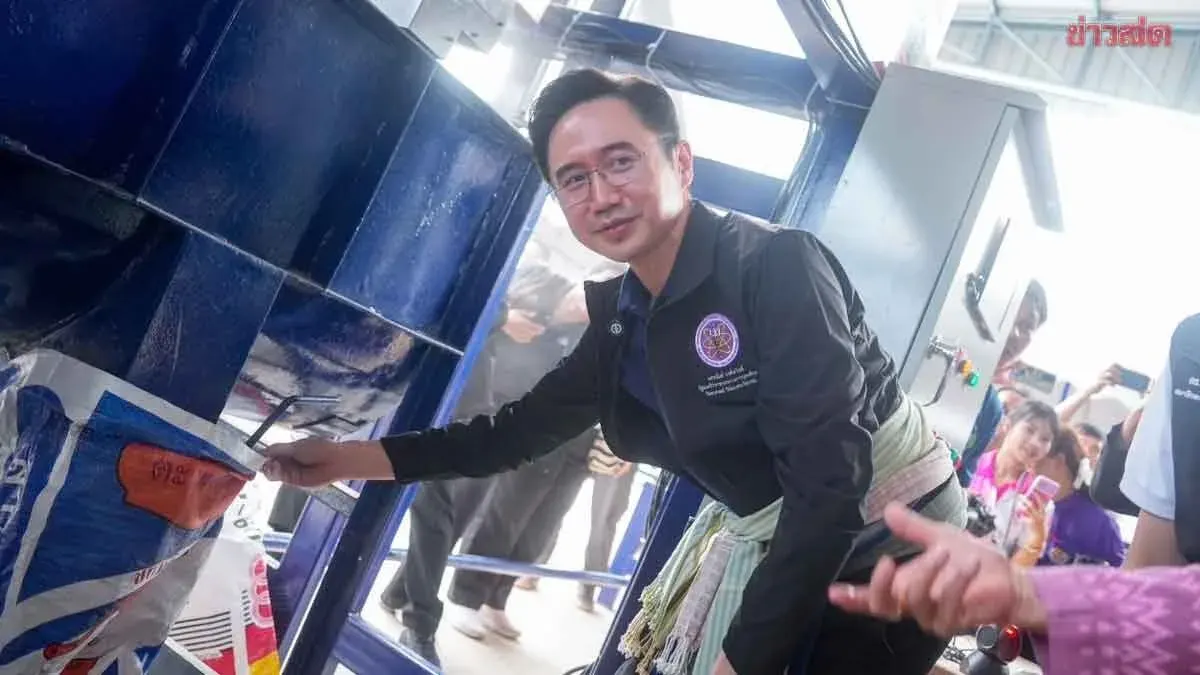
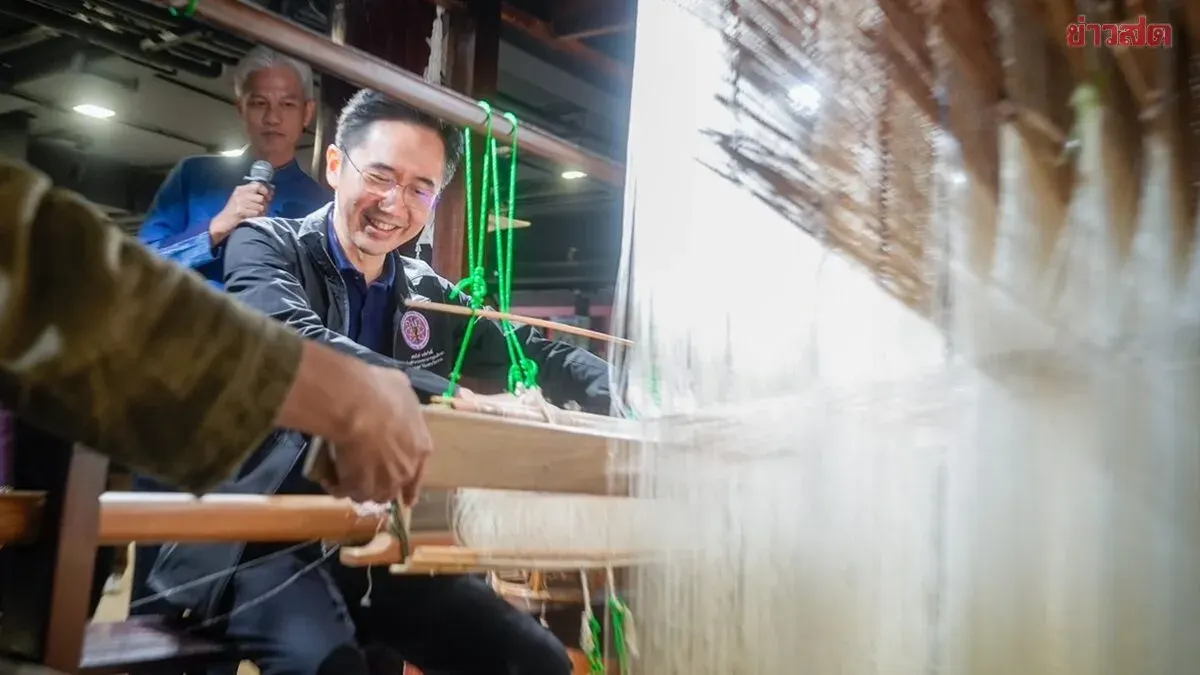
Deputy Prime Minister Yotsakarn Wongsawat, who also serves as Minister of Higher Education, Science, Research and Innovation, together with Agriculture and Cooperatives Minister Piyarat Tiyaphairat, traveled to Udon Thani province on November 2 to monitor research and innovation support in the area. The visit preceded the mobile cabinet meeting scheduled for November 1–3.
The main stop was the Udon Thani College of Agriculture and Technology to review progress on the "Customized Fertilizer for Thai Farmers" project. Governor Chaiwat Chuenkosum welcomed the delegation, while Dr. Weerachai Ajharn, President of the National Science and Technology Development Agency (NSTDA), reported on operations.
A key highlight was the signing of a major cross-ministry memorandum of understanding to drive the project forward. The agreement brings together NSTDA (under the Ministry of Higher Education, Science, Research and Innovation) with the Cooperative Promotion Department, Land Development Department, Bank for Agriculture and Agricultural Cooperatives (BAAC), and the Department of Agriculture (all under the Ministry of Agriculture and Cooperatives).
Yotsakarn addressed strategies to reduce farmers' production costs, noting that imported fertilizer prices have risen. Officials discussed ways to assist farmers across all regions, particularly by importing raw fertilizer materials to produce blends tailored to individual farmers' needs. A crucial approach involves using soil analysis results to determine appropriate fertilizer formulas for specific cultivation areas, since soil conditions and fertilizer requirements vary by location. Once soil properties are known, farmers can select suitable fertilizers without relying on 100% chemical inputs, instead mixing in organic fertilizers to reduce chemical proportions while improving soil quality.
Yotsakarn said fertilizer production machines had been trialed in pilot areas for about four to five months to build farmer confidence, as many remained skeptical whether new formulas would yield results comparable to conventional fertilizers. Practical demonstrations were necessary before expanding to other areas.
Going forward, the focus will be on extending knowledge and fertilizer production technology so farmers can apply it practically and produce formulas suited to their own land, reducing unnecessary fertilizer use and cutting cultivation costs. An additional five fertilizer production machines have been secured and will be coordinated with the Ministry of Agriculture and Cooperatives and interested agencies and provincial areas for deployment as appropriate.
However, farmers are not required to use only the new production machines; they can also use existing conventional fertilizer mixers. The core principle is applying soil analysis knowledge to produce fertilizers matching crop needs and local conditions, thereby reducing long-term costs for farmers.
After the opening ceremony, the Deputy Prime Minister and his delegation presented automatic fertilizer blending machines to five Mae Khai cooperatives in Udon Thani, including the BAAC Agricultural Marketing Cooperative for Customers.