Thailand Plans Potash Hub to Slash Fertilizer Imports
Thailand aims to develop domestic potash mines to become an ASEAN hub, cutting annual fertilizer imports by 14 billion baht and targeting 30 billion baht in export revenue. Industry Minister Warawut Silpa-archa said the projects in the Northeast could produce up to 3.2 million tonnes yearly, with surplus for export. Environmental safeguards and community benefits are planned alongside the mining operations.
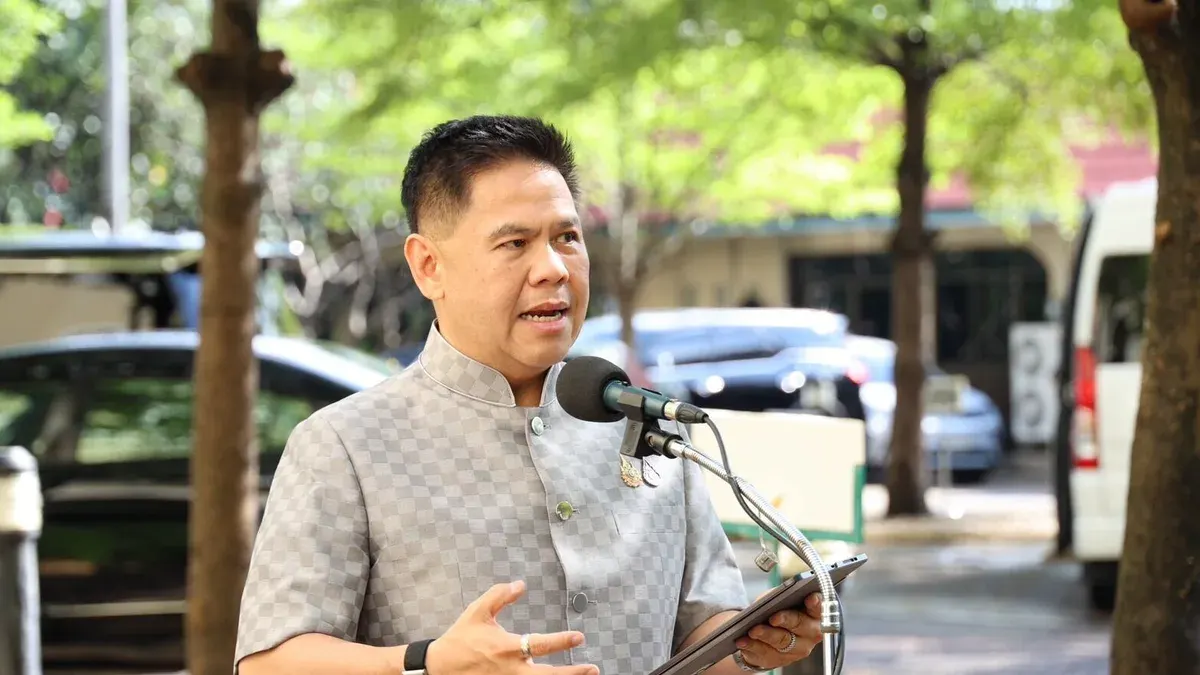
Thailand currently imports about 5 million tonnes of chemical fertilizer each year, worth around 65 billion baht, of which roughly 1 million tonnes is potash valued at 14 billion baht annually. Developing domestic potash mines and processing plants would reduce reliance on imported inputs and boost farmers' production stability. Direct benefits for the public include more fertilizer options and lower agricultural production costs, as potash is a key plant nutrient. The minister noted that environmental safeguards will be implemented, such as mixing mine tailings with concentrated brine and pumping them back into underground tunnels starting in the fifth year of operation, along with measures to prevent brine leakage and protect local water, soil, and community health. For the Udonthani project, plans include water recycling systems, leakage prevention, and damage insurance of at least 500 million baht. Economically, if the projects meet targets, Thailand could produce about 3.2 million tonnes of potash per year, leaving a surplus of roughly 2.2 million tonnes for export, generating over 30 billion baht in annual export earnings and positioning the country as a regional hub for potash and fertilizer production in ASEAN. Three major projects are underway: Thai Kali Co., Ltd. in Nakhon Ratchasima aims for 100,000 tonnes per year, with production expected in the second half of 2027; Asia Pacific Potash Corp. in Udonthani targets 2 million tonnes per year, awaiting cabinet approval for increased capital and aiming to start production by 2030; and ASEAN Potash Chaiyaphum Co., Ltd. plans 1.1 million tonnes per year, having received BOI promotion but facing a legal dispute over state compensation of about 8 billion baht. The minister added that the mines will create local jobs from exploration through long-term production and will fund community development, infrastructure, education, healthcare, and landowner compensation under the mining concession terms.