Thailand Bans Chemical Exports to Curb Cross-Border River Pollution
Thailand has banned exports of precursor chemicals used in rare-earth mining to Myanmar after toxic contamination spread down the Kok, Sai, Ruak, and Mekong rivers, threatening northern communities. Investigations reveal dozens of Thai firms supply chemicals to and buy ore from the polluting mines, linking domestic businesses to the cross-border damage. The government says the ban must be paired with diplomacy, monitoring, and aid, while ensuring legitimate chemical exporters are not harmed.
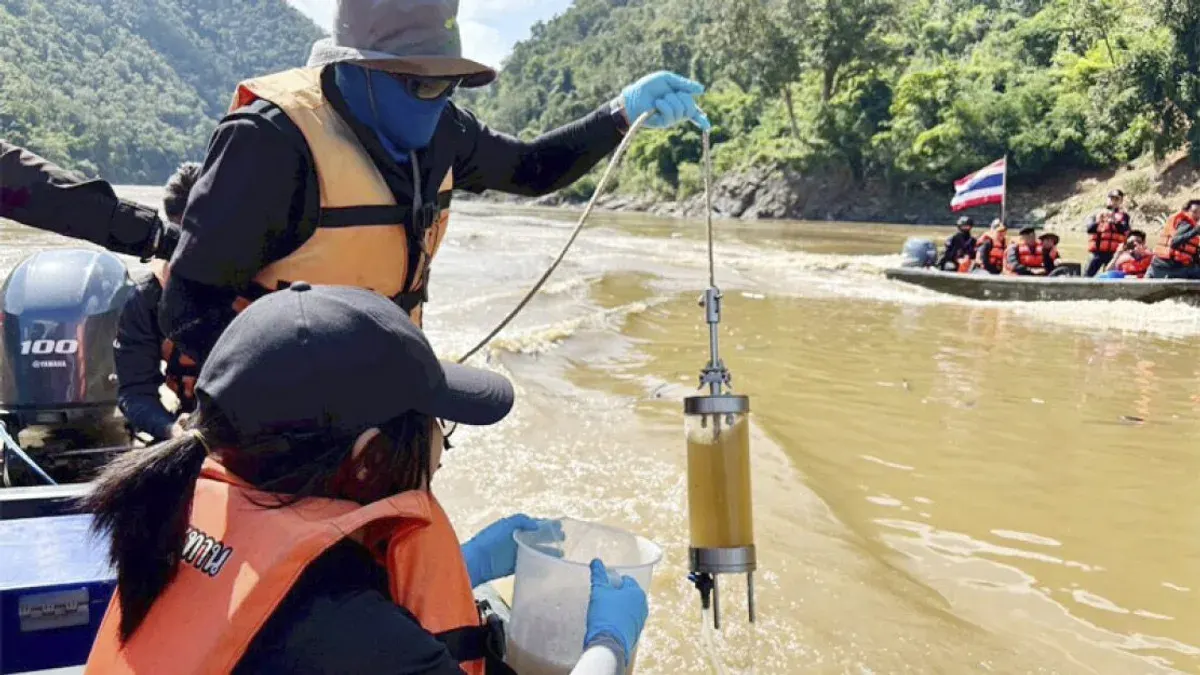
The toxic contamination crisis affecting the Kok, Sai, Ruak, and Mekong rivers directly impacts the livelihoods of people in northern Thailand, compelling the government to act decisively. Beyond water-quality monitoring and victim compensation, authorities must address the source of the pollution. Civil society and NGOs view the government's invocation of the National Security Council (NSC), together with the Commerce and Industry ministries, to ban exports and transshipment of precursor chemicals for rare-earth mining to Myanmar as a justified measure. This resembles the earlier cut-off of water, electricity, and internet to disrupt scam operations based in neighboring countries, which proved effective. The move aims not merely at symptoms but at severing the supply lines that sustain cross-border businesses damaging Thailand. The root of the current river pollution lies in the expansion of rare-earth mines in Myanmar border areas lacking proper waste-management and treatment systems. Chemicals exported by Thai private firms, while not directly arsenic, leach naturally occurring arsenic from soil and rock into waterways before it flows into Thailand's main rivers. A House subcommittee investigation found dozens of Thai companies involved in this business cycle — exporting chemicals to feed the mines and buying back the ore — suggesting Thai private actors are linked to a supply chain harming Thais. Although banning precursor exports is a domestic power not requiring neighbor approval, it must accompany diplomatic talks, control-zone declarations, water-quality monitoring, and public relief, because stopping precursors alone will not instantly remove accumulated toxins. Crucially, the cut-off of polluting businesses' supply lines must not harm legitimate operators; the government must vet exporters carefully and target only firms supplying chemicals to polluting mines, avoiding collateral damage to agricultural and general industrial chemical exports.