Deputy PM Leads War on Northern Water Pollution
Deputy Prime Minister Dr. Chen Yaschanan Wongsa has been appointed to lead a national committee tackling severe cyanide and heavy metal contamination in Northern Thailand's Kok River. Recent tests found toxic pollution in river sediment and 10 out of 300 aquatic species exceeding safety standards, prompting consumption bans. The government plans cross-border cooperation with Myanmar and China to address mining pollution sources and will declare a 150-kilometer pollution control zone along the river.
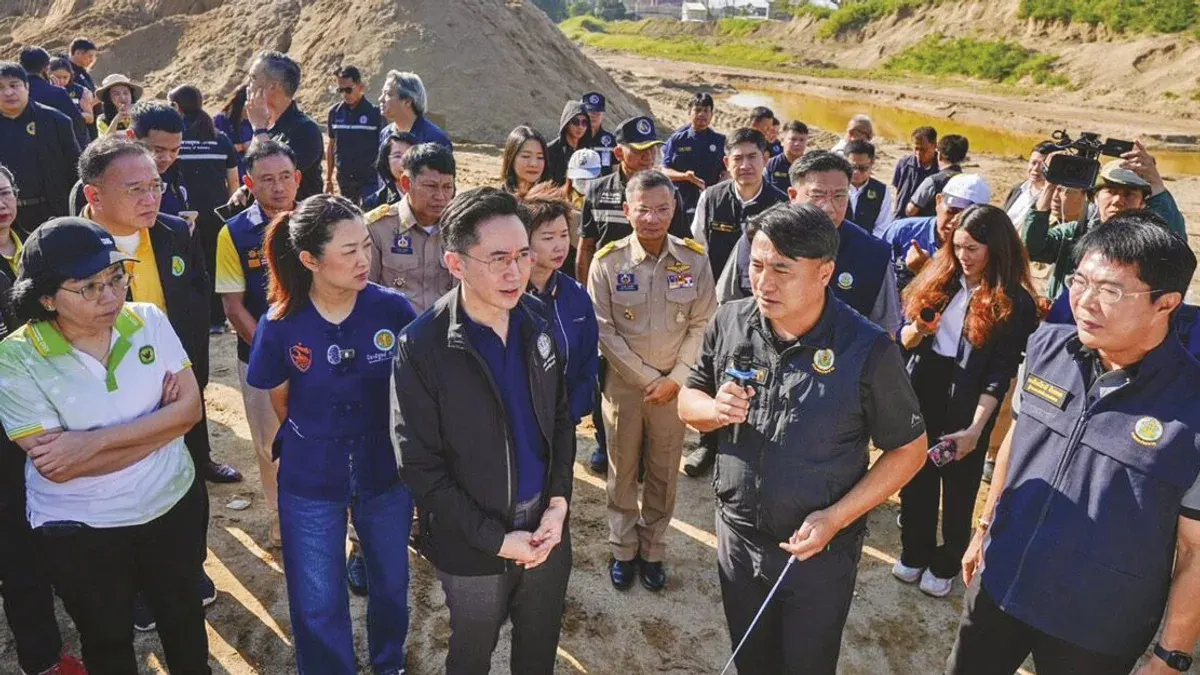
Cyanide and heavy metal contamination in Northern Thailand's water sources has sparked widespread concern beyond just local residents. If left unaddressed, the hardest hit will be area villagers — their livelihoods, food safety, and agriculture. Recently, the Department of Marine and Coastal Resources and the Pollution Control Department jointly tested the Kok River, finding heavy pollutant contamination in sediment. Random testing of 300 aquatic species revealed 10 species — including shellfish, shrimp, and fish — exceeded safety standards, prompting an urgent public warning against consumption. Officials confirm the Kok River is now polluted and affecting aquatic life. Next, authorities will inspect cage-farmed fish and designate safe versus risk zones, as contamination spreading to fish farms would devastate farmers. On the broader solution, Deputy Prime Minister Anutin has tasked Dr. Chen, Deputy PM and Education Minister Yaschanan Wongsa, in his capacity as chair of the Northern Region Disaster Prevention and Mitigation Committee, to lead the team. Days earlier, they joined the National Disaster Prevention and Mitigation Command to declare a "war on pollution" targeting toxic water sources. Key measures include banning the export and transit of rare earth mineral precursors to tackle the root cause: rare earth mining in Myanmar backed by Chinese capital. This requires coordination with Myanmar and China, as Thailand cannot manage it alone. The Ministry of Natural Resources and Environment will declare pollution control zones, especially the Kok River where contamination is worst, controlling the full 150 kilometers within Thai territory. Technology — Dr. Yaschanan's expertise — will be deployed to scan underwater and soil areas and trap sediment. Before returning to Chiang Rai to meet affected communities and environmental rights groups to hear concerns and shape joint solutions, the team is finalizing plans. This pollution crisis is massive and critical, impacting not just the environment but severely harming local residents, while also posing a defining challenge for Dr. Chen-Yaschanan to prove their capability.