Deputy PM Orders 6 Measures to Tackle Northern River Pollution
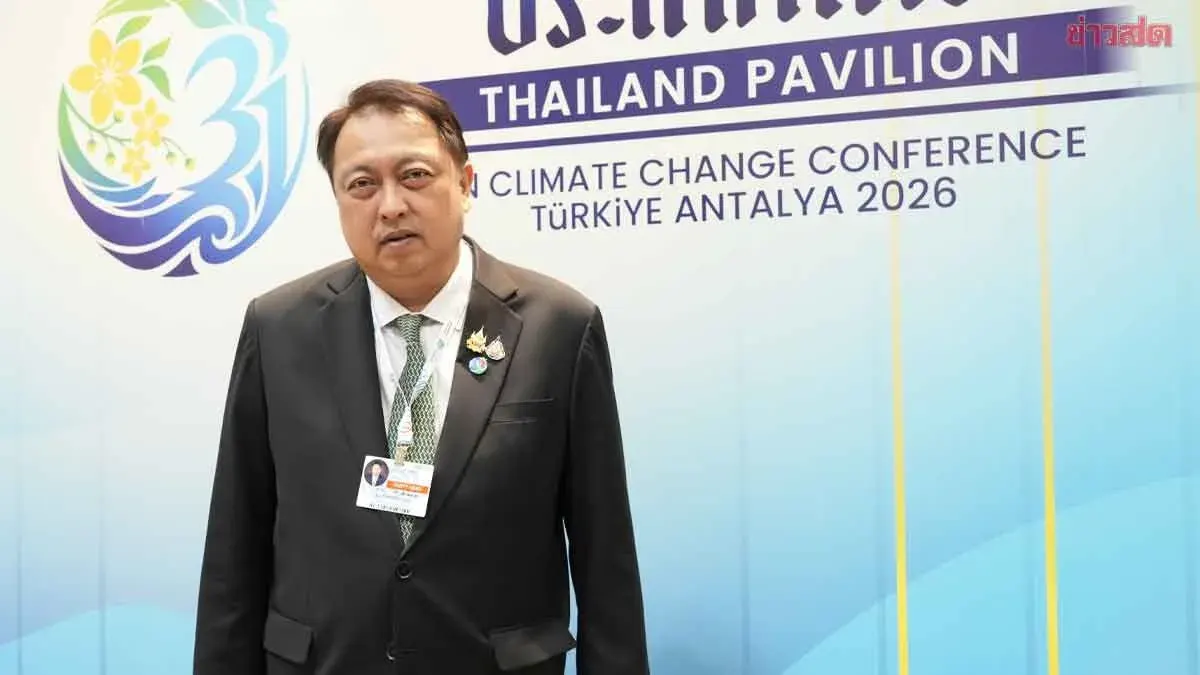
Deputy PM Yoschanan Wongwattana ordered six urgent measures to address heavy metal pollution in the Kok and Sai rivers after inspecting the Sai River on Nov 14-15.
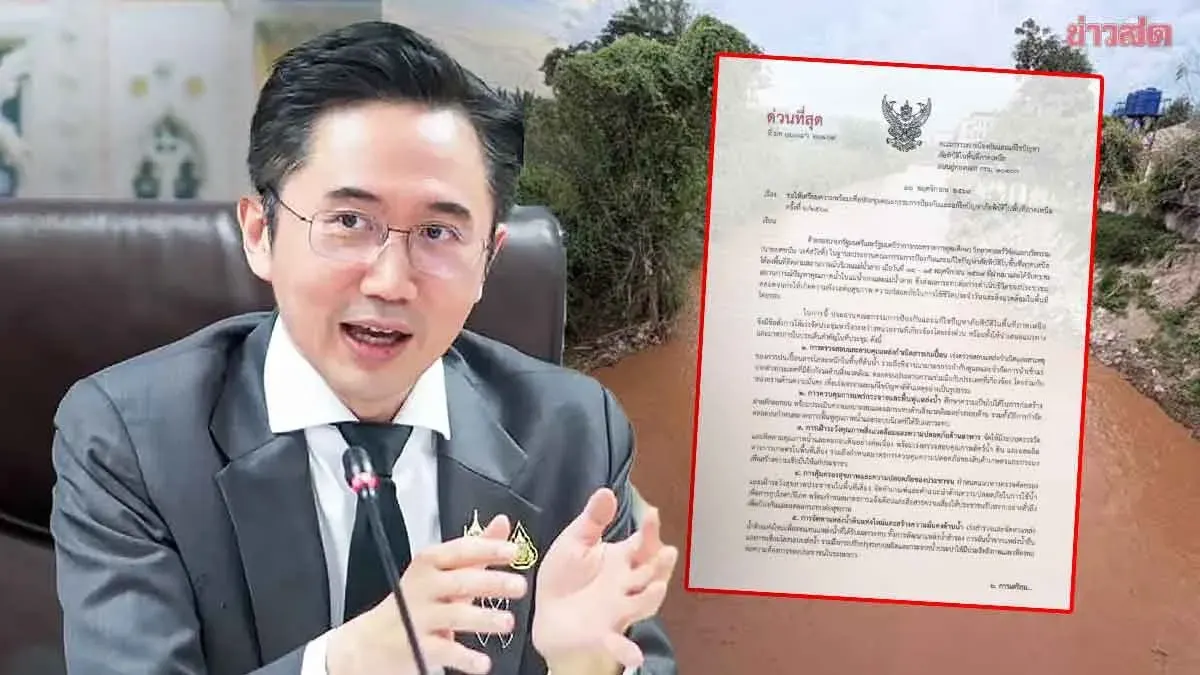
On November 16, 2026, reporters revealed that Deputy Prime Minister and Minister of Higher Education, Science, Research and Innovation Yoschanan Wongwattana issued an urgent letter regarding preparedness for the second 2026 meeting of the Northern Region Disaster Prevention and Mitigation Committee. In his capacity as committee chair, Yoschanan visited the Sai River area on November 14-15 and learned of the water quality problems affecting both the Kok and Sai rivers, which impact local livelihoods and raise health, safety, and environmental concerns.
The chair ordered an urgent inter-agency meeting with six key directives:
1. Pollution source inspection and control: Accelerate investigation of heavy metal contamination sources upstream, consider measures to regulate and restrict imports of minerals with environmental concerns, and coordinate with relevant countries through security agencies to address root causes.
2. Containment and water source restoration: Study feasibility of constructing sediment traps with comprehensive environmental impact assessments, including removal methods, and establish measures to restore water quality and affected ecosystems.
3. Environmental monitoring and food safety: Implement continuous water and sediment quality monitoring systems, accelerate inspection of aquatic life, soil, and agricultural products in risk areas, and set safety controls for agricultural and fishery products to restore public confidence.
4. Public health protection: Establish health screening and surveillance guidelines for at-risk communities, develop safety standards for water consumption, and create widespread risk communication and warning mechanisms to prevent and reduce health impacts.
5. New water sources and water security: Expedite surveys for alternative raw water sources to replace affected supplies, including developing reserve sources, water diversion from other sources, and connecting distribution systems, plus improving water production and distribution efficiency for long-term public needs.
6. Emergency public assistance: Prepare backup clean water plans covering procurement, storage, and distribution to affected communities, develop contingency plans and integrated assistance mechanisms in case water sources become unsafe, ensuring continuous access to clean water.
The letter instructs all agencies to prepare data and operational proposals to drive implementation according to these directives.