Deputy PM Mobilizes Scientists to Fight Arsenic in Northern Rivers
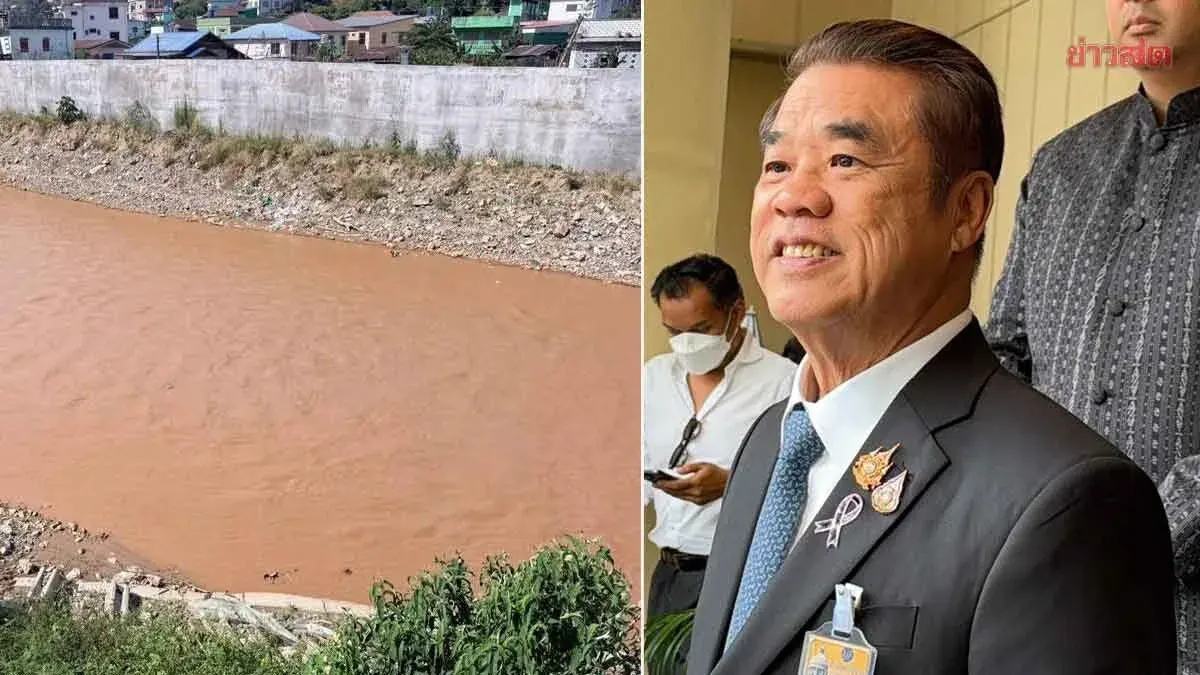
Deputy Prime Minister Yotsaphon Wongwatthana has mobilized Thailand's national research agencies to address arsenic contamination in the Kok and Sai rivers in Chiang Rai. Four immediate measures include installing water filtration systems, distributing portable test kits to villagers, building sediment-trapping barriers designed with hydraulic modeling, and creating pollution-source maps using isotope analysis. The effort aims to protect public health and agriculture while diplomatic talks continue with upstream neighbors.

Deputy Prime Minister and Minister of Higher Education, Science, Research and Innovation Yotsaphon Wongwatthana, in his capacity as chair of the Northern Disaster Prevention and Mitigation Committee, held an emergency online meeting with ministry researchers nationwide on November 17, 2026. This followed his visit to communities along the Kok and Sai rivers in Chiang Rai, where residents expressed alarm over heavy metal contamination — particularly arsenic — threatening health, domestic water use, and farming.
Yotsaphon stated the meeting aimed to mobilize ready-to-deploy ministry technologies and research for immediate, targeted relief without waiting for upstream solutions. While the Foreign Ministry, Natural Resources and Environment Ministry, and provincial authorities negotiate with neighboring countries to control pollution at its source, Thailand must simultaneously safeguard public health and livelihoods.
Four urgent measures are being implemented:
1. Installing additional water filtration systems in hotspot areas. The Synchrotron Light Research Institute, National Nanotechnology Center (NANOTEC), and Department of Science Service are expanding proven filtration systems already operating in Na Rong, Chiang Mai, and in Mae Sai district, Chiang Rai (Ban Farm Samphan, Ban Mueang Ngim, and Ban Rim Kok) to more affected villages.
2. Distributing portable arsenic and heavy metal test kits. NANOTEC is ramping up production of rapid, easy-to-use kits for distribution with provincial and agriculture offices, enabling villagers and farmers to test drinking water, irrigation water, soil, and crops themselves — building confidence for both consumers and produce buyers.
3. Constructing sediment-trapping barriers. Research shows most arsenic travels bound to sediment. The National Science and Technology Development Agency used real river data and the internationally validated MIKE HYDRO model (with DHI) to design barriers that precisely capture contaminated sediment, with safe disposal plans and comprehensive impact assessments to prevent flooding or downstream environmental harm.
4. Mapping risk zones and fingerprinting pollution sources. Detailed contamination-risk maps with precise coordinates will enable targeted monitoring and warnings. The Synchrotron Light Research Institute's advanced isotope-analysis laboratory will analyze water and sediment to scientifically identify pollution origins, providing evidence for sustainable diplomatic negotiations.
This deployment reflects the Deputy PM's policy of turning research into practical tools that deliver visible results for communities in crisis, working hand-in-hand with local agencies and residents.