Deputy PM Orders Urgent Action on Kok-Sai River Pollution
Deputy Prime Minister Yotsakan Wongsa-ard has ordered urgent measures to tackle heavy metal contamination in the Kok and Sai rivers in northern Thailand. He chaired a disaster committee meeting and outlined six actions, including investigating pollution sources, restricting imports of concerning minerals, monitoring water and food safety, and securing alternative water supplies. The directive aims to protect public health and restore the river ecosystem.
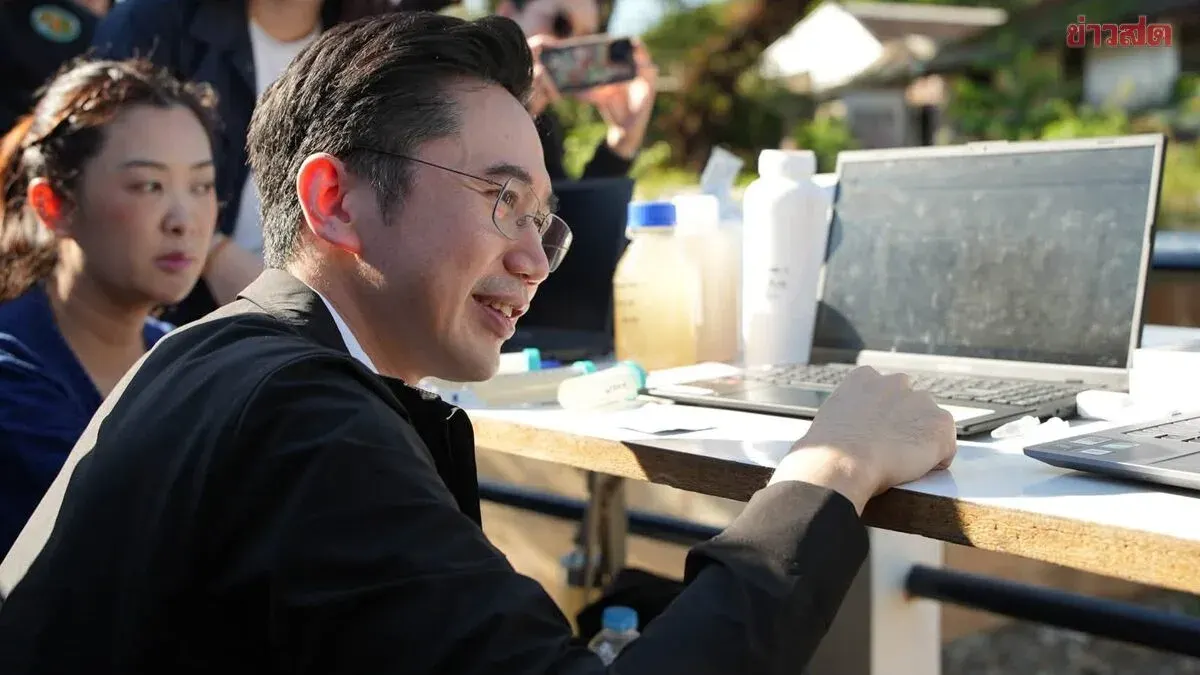
Deputy Prime Minister and Minister of Higher Education, Science, Research and Innovation Yotsakan Wongsa-ard has ordered urgent measures to address the water quality crisis in the Kok and Sai rivers, unveiling six assistance measures. On November 16, 2026, Yotsakan issued an urgent letter to prepare for the second meeting of the Northern Disaster Prevention and Mitigation Committee for 2026. As committee chair, he visited the Sai River area on November 14-15 and learned of water quality problems in both rivers. He ordered an urgent inter-agency meeting to present key measures: 1) Investigate sources and causes of heavy metal contamination upstream, oversee imports of minerals with environmental concerns, coordinate with relevant countries, and negotiate to resolve the root cause. 2) Study feasibility of constructing sediment traps, assess environmental impacts, and plan water quality and ecosystem restoration. 3) Establish continuous water and sediment quality monitoring, accelerate testing of aquatic life, soil, and agricultural products in risk areas, and set safety controls for agricultural and fishery products to build public confidence. 4) Screen and monitor public health in risk areas, develop guidelines for safe water consumption, and implement widespread risk communication to prevent health impacts. 5) Expedite survey and development of new raw water sources to replace affected ones, including reserve water development, water diversion, pipeline linking, and improving water production and distribution efficiency. 6) Prepare contingency plans for clean water supply, including procurement, storage, and distribution to affected communities, and establish emergency response and integrated assistance mechanisms if water sources become unsafe.