Agriculture Minister Orders Probe Into River Heavy Metal Pollution
Agriculture Minister Suriya Jungrungreangkit has ordered an urgent investigation after arsenic was found at 25 times the safety limit in the Mae Sai River and heavy metals were detected in aquatic life from the Kok and Mekong rivers. Three departments must report preliminary findings on potential food chain impacts this week, while the government pursues cross-border talks with Myanmar and explores technological solutions with China to address the pollution at its source.

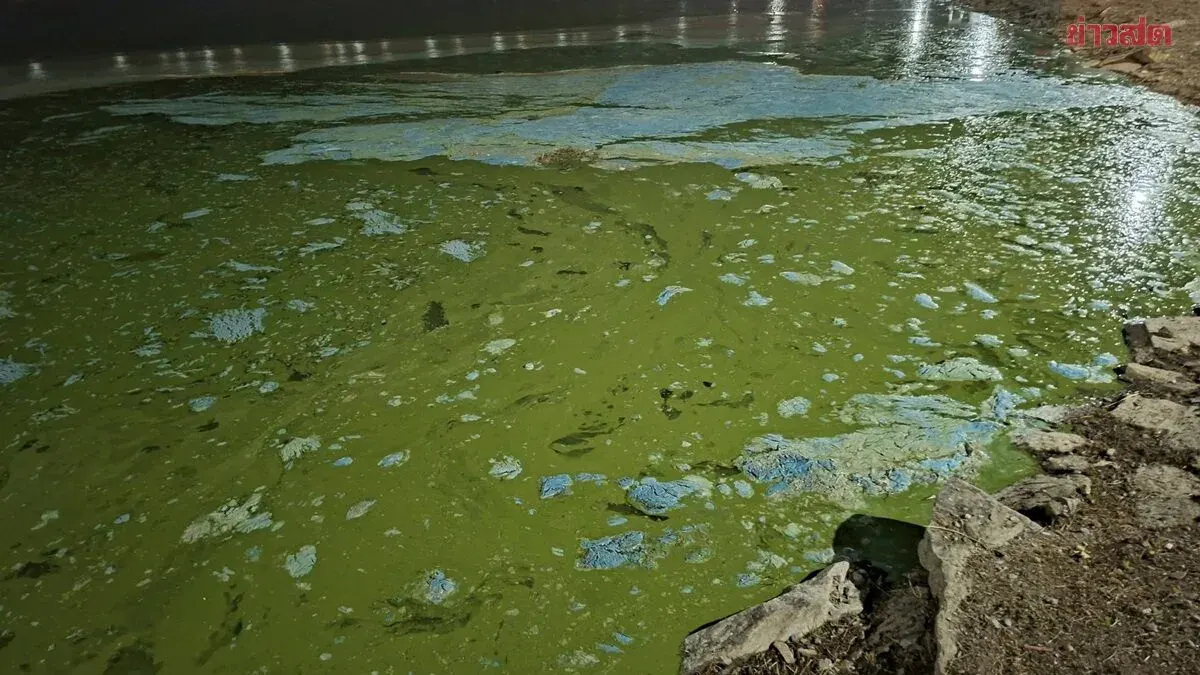
Agriculture and Cooperatives Minister Suriya Jungrungreangkit disclosed the arsenic contamination situation in the Mae Sai River, Chiang Rai province, after the Pollution Control Department tested water quality at Ban Hua Fai, Mae Sai district on November 6, 2026. Preliminary screening found arsenic at 0.25 milligrams per liter, or 25 times the surface water quality standard of no more than 0.01 milligrams per liter, raising concerns and necessitating an urgent assessment of potential impacts on the agricultural sector.
Suriya said he ordered the Rice Department, Fisheries Department, and Department of Livestock Development on November 10 to expedite data verification in their respective areas and report preliminary results within this week. The goal is to assess whether contaminants affect the food supply chain, particularly agricultural products entering domestic and international markets. While previous ministry checks found no impact, new test results are awaited for confirmation.
Meanwhile, Fisheries Department Director-General Pinsak Suraswadi revealed monitoring results from November 13 showing heavy metals exceeding standards in some aquatic animals from the Kok and Mekong rivers. He emphasized these results reflect specific samples, locations, and timeframes, and cannot be generalized to all aquatic life.
Suriya stated the ministry will use additional test results to assess risk areas and clearly inform the public. If affected areas are identified, they will be specifically designated to prevent panic and avoid impacting trade of agricultural products from unaffected areas. Assistance measures for affected farmers and consumers will be considered as appropriate.
The Fisheries Department will hold a joint meeting with the Pollution Control Department and the Department of Marine and Coastal Resources on November 23 to exchange water quality and contamination data, establish joint monitoring and risk assessment guidelines, and direct provincial fisheries offices to survey damages to aquaculture farmers and fishermen for compensation consideration.
Suriya also endorsed academics' proposal for an agricultural product traceability system to clearly identify product origins and problem points, citing durian traceability as an example that enables targeted problem-solving and maintains consumer confidence.
The minister reiterated the government's focus on addressing root causes. The Prime Minister is aware and concerned about potential impacts on the public and farmers. The Foreign Minister and Natural Resources and Environment Minister will negotiate with Myanmar on cross-border pollution prevention, while the Prime Minister has discussed with China the possibility of using technology to help resolve the issue. The view is that source management is more important than end-of-pipe solutions to prevent long-term impacts on agriculture and food safety.