Nakhon Pathom Mayor Confirms Water Safety After Algae Bloom
Nakhon Pathom's mayor confirmed tap water is safe after green algae and foul odors appeared in the raw water reservoir. All algae have been removed and water quality tests at three locations meet national standards. The bloom was caused by seasonal nutrient spikes and is expected to subside naturally.
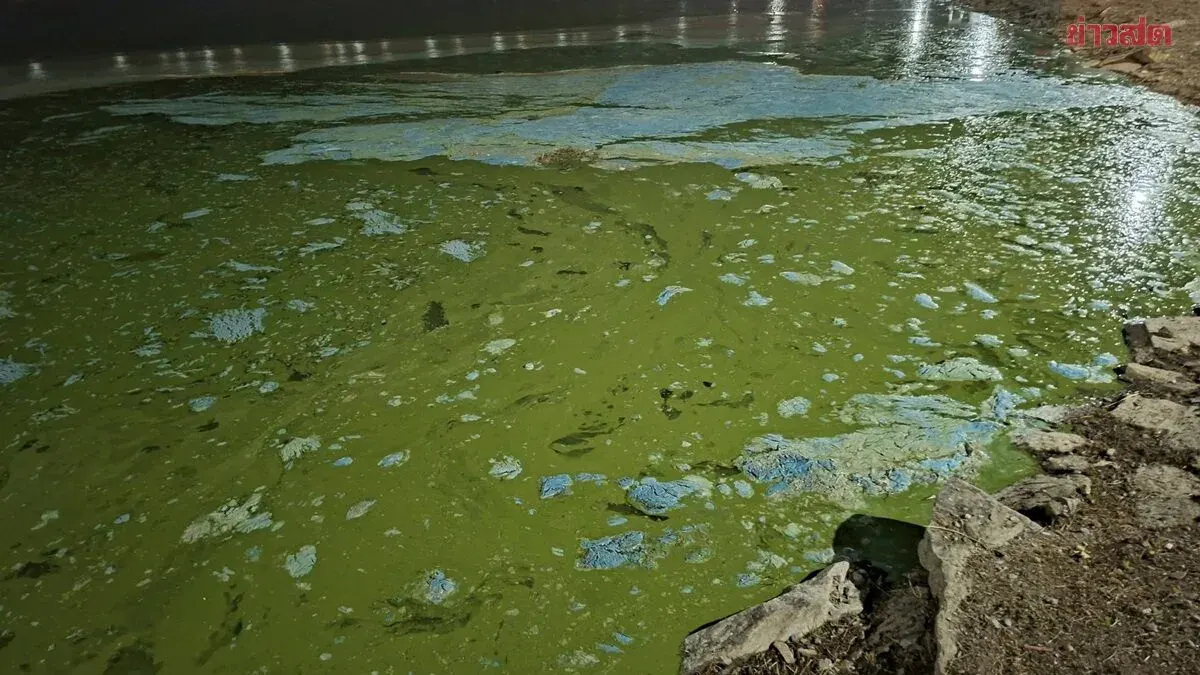
The Mayor of Nakhon Pathom City Municipality addressed concerns about green algae blooms and a rotten egg smell in the raw water source. He confirmed that all surface algae have been removed and water quality tests at three points meet standards. The issue was caused by high nutrient levels in the raw water during the seasonal transition.
From the case where Councillor Rung, or Mr. Parung Wongnoi, a member of the Nakhon Pathom Provincial Administrative Organization, posted clips and photos showing the raw water covered in green patches with a pungent smell resembling rotten egg gas. The raw water storage pond is the source for the municipality's tap water production process. He urged an urgent inspection and questioned how effectively the production process could control water quality given such abnormal raw water conditions.
Latest update on November 16, 2026, Mayor Somchok Pongkhwan explained that the algae and odor were found in the northern part of the storage pond, 400 meters from the filtration plant. The problem occurred because incoming raw water contained high nutrients, causing rapid algae growth, accumulation, and fermentation cycles, leading to die-off and scum buildup.
The municipality coordinated with the Region 5 Environmental Office and the Provincial Natural Resources and Environment Office to suction all dead algae debris. Water samples from three points were tested and all passed standards. This mechanism occurs naturally during the late rainy to early cool season and is only a temporary seasonal phase.
Mayor Somchok added that the municipality's water production process adds chlorine, which kills algae and leads to sedimentation before flocculation. Then a further separation step uses sand filtration, which traps dead algae so they do not escape into the clarified water, making the water clear again. Finally, chlorine is added for multi-stage disinfection until the water meets drinking quality standards before distribution to the public, ensuring the water used by residents in the area is of good quality and meets standards.
Regarding the temporary turbidity, the municipality explained that they received raw water with very high turbidity recently, causing the filtration system to work heavily. Now the source water entering the storage pond has returned to normal, and turbidity is decreasing accordingly.
Regarding the public reaction, the matter was discussed jointly with the administration and all parties in the municipal council, who gave it high importance as it is a public concern. Previously, information was received through online systems and hotlines to access various issues, preparing readiness in all areas for disasters and public utility problems for faster and more targeted responses.