Chiang Rai Water Authority Opens Lab, Confirms Tap Water Safe, Arsenic-Free
Chiang Rai's Provincial Waterworks Authority opened its lab to the media, demonstrating that tap water meets WHO standards and contains no excess arsenic or heavy metals, despite contamination found in local rivers. Hotel operators reported a 1% cancellation rate due to tourist concerns, while the governor issued an urgent letter clarifying that the pollution is localized and most businesses remain open. Authorities urge accurate information sharing to prevent long-term damage to the province's tourism image.
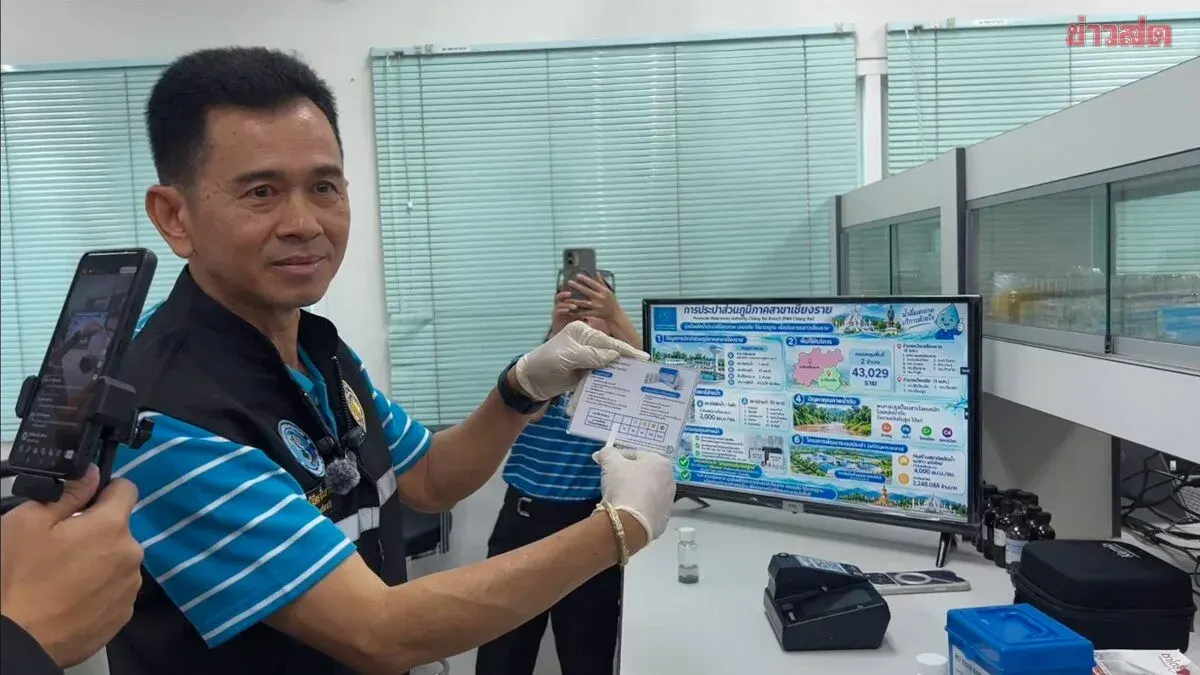
Chiang Rai Provincial Waterworks Authority opened its water quality analysis laboratory to show test results, confirming tap water is safe and free of arsenic exceeding standards. Hotels report 1% room cancellations, fearing contaminated water may hurt the economy long-term.
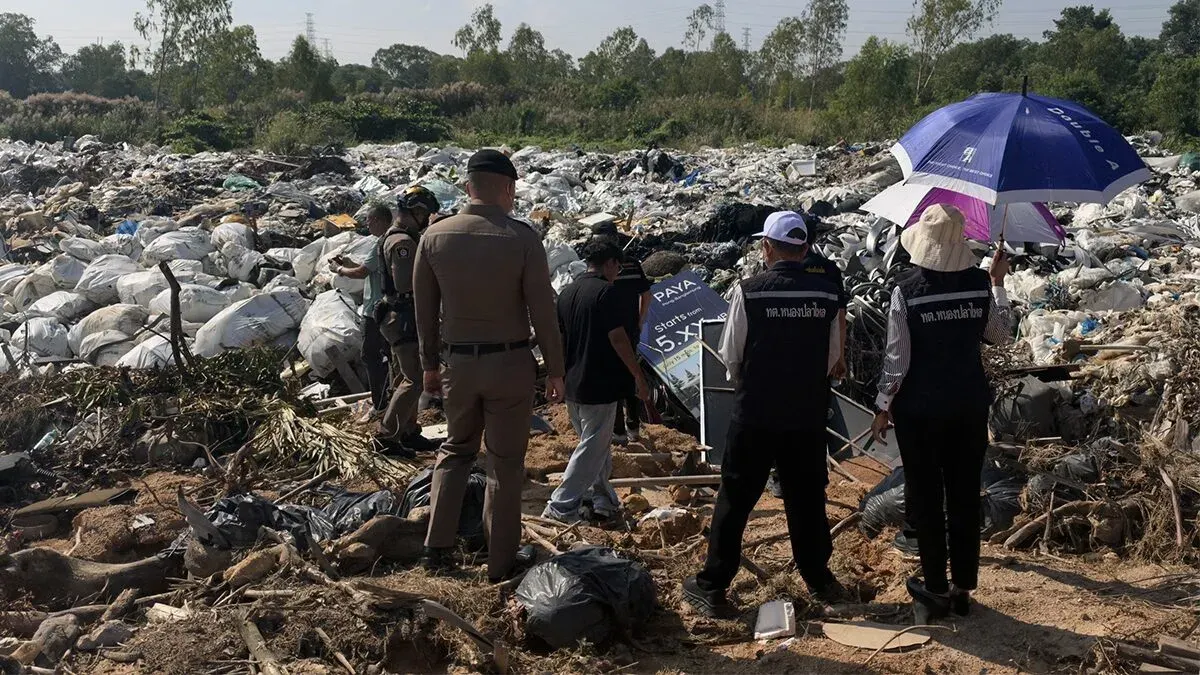
On November 18, 2026, at the Wang Kham Water Treatment Plant in Mueang Chiang Rai District, the Regional Waterworks Authority Branch Chiang Rai opened its water quality analysis laboratory and invited media to hear about the inspection results and tap water production process to build confidence among the public and tourists. This follows concerns over findings of arsenic and heavy metal contamination in several natural water sources in Chiang Rai province, including the Kok, Sai, Ruak, and Mekong rivers.
Mr. Nimit Pinthani, Manager of the Chiang Rai Branch, revealed that the Wang Kham production plant uses raw water from the Kok River, which undergoes a six-step treatment process: pre-chlorination to kill germs and help precipitate arsenic; sodium hydroxide addition; coagulant addition; intermediate chlorination; filtration; and post-chlorination in the clear water tank before distribution. Water quality is checked daily with test kits before distribution.
The Chiang Rai Branch, which covers 10 districts and 6 branches serving approximately 82,000 households, confirms that water quality is controlled according to World Health Organization (WHO) standards. In 2025, water quality was analyzed 48 times; in 2026, testing is conducted four times per month, split between the central laboratory (twice) and the branch laboratory (twice). Tests found no arsenic, lead, mercury, or cadmium exceeding standards. The public and tourists are asked to trust the quality of tap water produced to standard. For community-managed water supply systems, the branch stands ready to provide academic advice and water quality testing.
Ms. Suwanna Pinsuwan, Secretary of the Chiang Rai Hotel Association, stated that the hotel business sector has monitored the situation and coordinated continuously with the Provincial Waterworks Authority. She acknowledged that news of contaminants in water sources has affected tourist confidence, resulting in about 1% room cancellations, or an average of 1-2 rooms per hotel, while some large hotels saw customers delaying travel to wait and see, totaling over 100 rooms. However, the impact remains limited as it is the low tourist season.
Ms. Suwanna added that the Hotel Association still trusts the Authority's inspection results and production process, but urges the government to seriously and continuously address contamination in water sources. Although the current impact on the hotel business is not severe, if the problem persists and public confidence remains low, it could affect Chiang Rai's tourism image and economy in the long term.
Meanwhile, Chiang Rai Governor Chuchip Phongchai signed an urgent letter dated November 17, 2026, to government agencies, state enterprises, the private sector, tourism business associations, and the media to clarify the water contamination situation. The letter states that the province has integrated relevant agencies to continuously monitor water quality and assess health risks.
It also emphasized that the detection of contaminants is a localized issue and does not mean all areas of the province are affected or carry the same level of risk. Most establishments, hotels, accommodations, restaurants, and tourism businesses remain open as usual. The governor called for cooperation from all sectors to disseminate accurate information to prevent misunderstandings and avoid impacts on the tourism economy.