Pig Farmers Warn US Pork Imports Threaten Local Industry
Thailand's National Swine Raisers Association has called an urgent meeting over concerns that a new trade agreement with the US could allow American pork imports without proper consultation. The group warns that ractopamine, a feed additive banned in Thailand but used in US pork production, poses food safety risks, while cheaper imports would further squeeze farmers already operating at a loss.
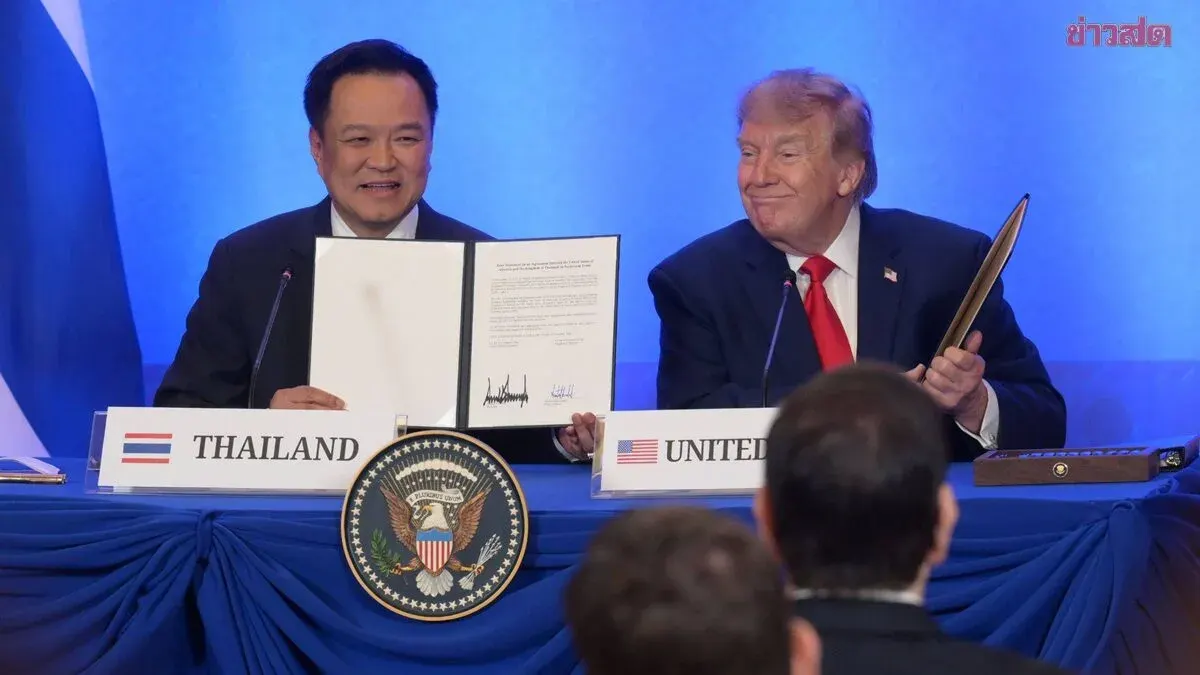
The National Swine Raisers Association has convened an emergency meeting amid fears the government may allow US pork imports without proper stakeholder approval following the Thailand-US Joint Statement on progress toward an Alternative Reciprocal Trade (ART) agreement. Association president Sittiphan Thanakiatphinyo said the group will send formal letters to the Ministries of Commerce, Agriculture and Cooperatives, and Public Health to voice concerns about impacts on Thai pig farmers. On food safety, he highlighted ractopamine — a feed additive allowed in US pork production under its regulations but banned in Thailand due to consumer health concerns — warning that market opening could lead to a relaxation of Thai hygiene and food safety standards. On prices, Sittiphan noted farm-gate prices hover around 72 baht per kilogram, with some farmers netting only 68 baht after transport costs, while small-scale production costs exceed 71 baht per kilogram, leaving razor-thin or negative margins. He added that the experience of free trade agreements with Australia and New Zealand, which flooded Thailand with competing beef, milk, and dairy products and hurt local dairy farmers, serves as a cautionary lesson for the swine industry.