Thai Shrimp Farmers Resist Fast-Track Import Rules
Thai shrimp farmers oppose fast-track import procedures, warning that streamlined rules could trigger disease outbreaks and collapse domestic prices already undercut by cheaper Ecuadorian alternatives. Industry leaders demand comprehensive
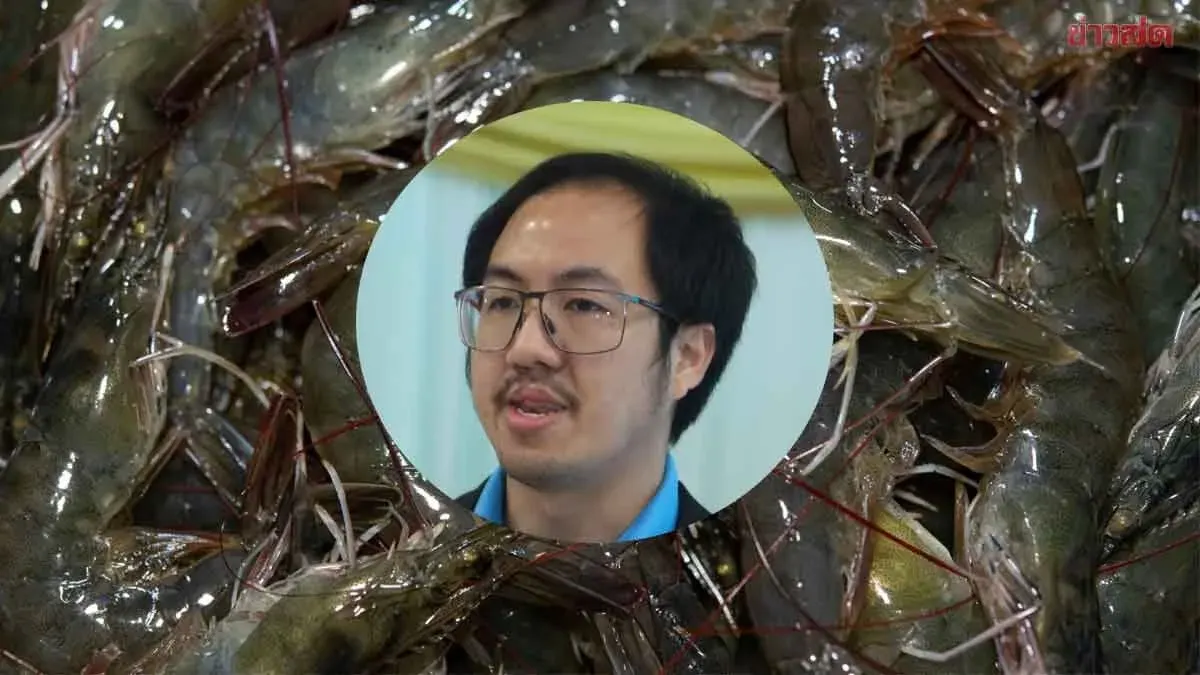
Thai shrimp farmers have raised concerns about plans to streamline import procedures, citing risks of disease outbreaks and price collapse. Abhichit Vorkij, secretary-general of the Thai Shrimp Farmers Alliance, acknowledged the need for processors and cold storage operators to import shrimp to ensure adequate raw materials and maintain export markets, but opposed reducing inspection steps without comprehensive risk assessment. "Imports must not prioritize speed alone but must consider biosecurity for the industry," he said. "If another disease outbreak occurs, the impact will not be limited to farmers but will affect the entire system and may damage confidence in Thai shrimp on foreign markets."
Equadorian shrimp currently costs about 70 baht per kilogram less than Thai shrimp. Without proper management systems, imports could increase downward pressure on domestic prices while farmers already face high production costs, insufficient yields, and disease risks that undermine competitiveness and accumulate losses.
If imports are deemed necessary, accompanying measures should include import quotas, mandatory purchase ratios for Thai shrimp, and appropriate price mechanisms to prevent raw material solutions for processors from becoming a burden on farmers. The alliance suggested applying similar management concepts used for soybeans and corn.
All stakeholders should discuss import proposals and establish mechanisms to support the entire shrimp industry from breeding stock and feed through to exports. All parties should collaborate on developing a Joint Strategic Framework to establish guidelines for raw material management, imports, pricing, and systematic disease management.
The Department of Fisheries should also urgently resolve Malaysia's ban on Thai shrimp imports, which began June 1 with no clear resolution despite earlier promises to reopen within 30 days. "The solution must balance the entire industry," Vorkij concluded. "Processors need raw materials, farmers need markets, consumers need quality products, and Thailand must maintain confidence in its shrimp standards."