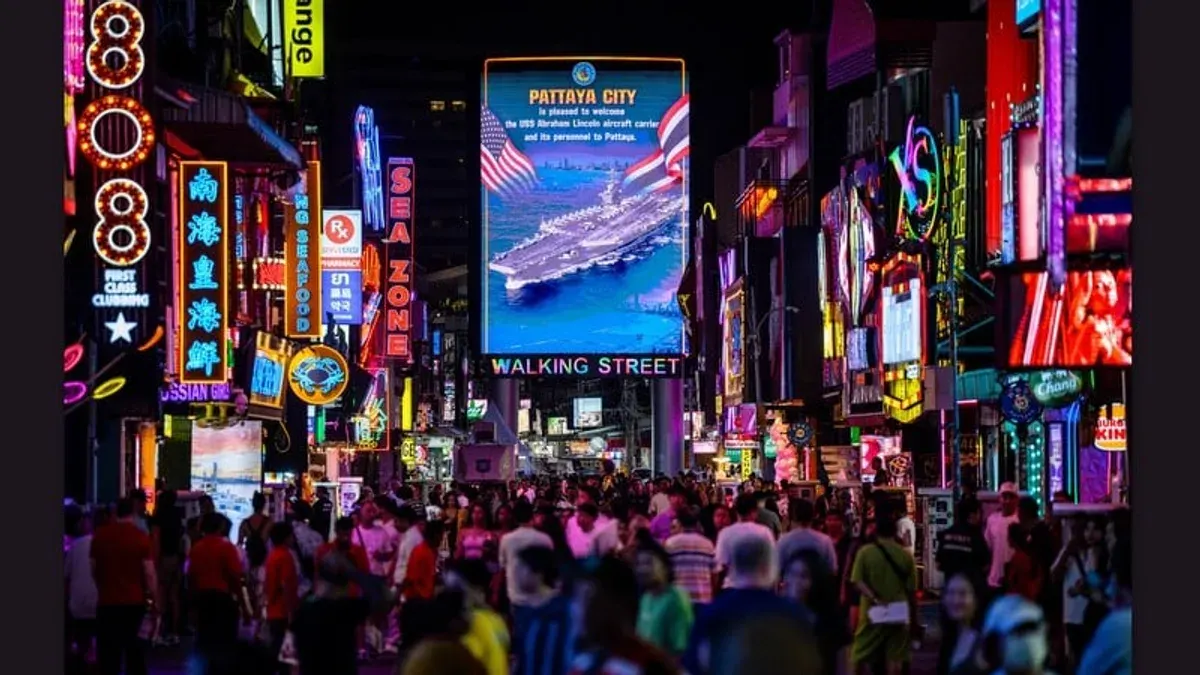
U.S. Navy Visit Puts Pattaya Back on Global Tourism Radar
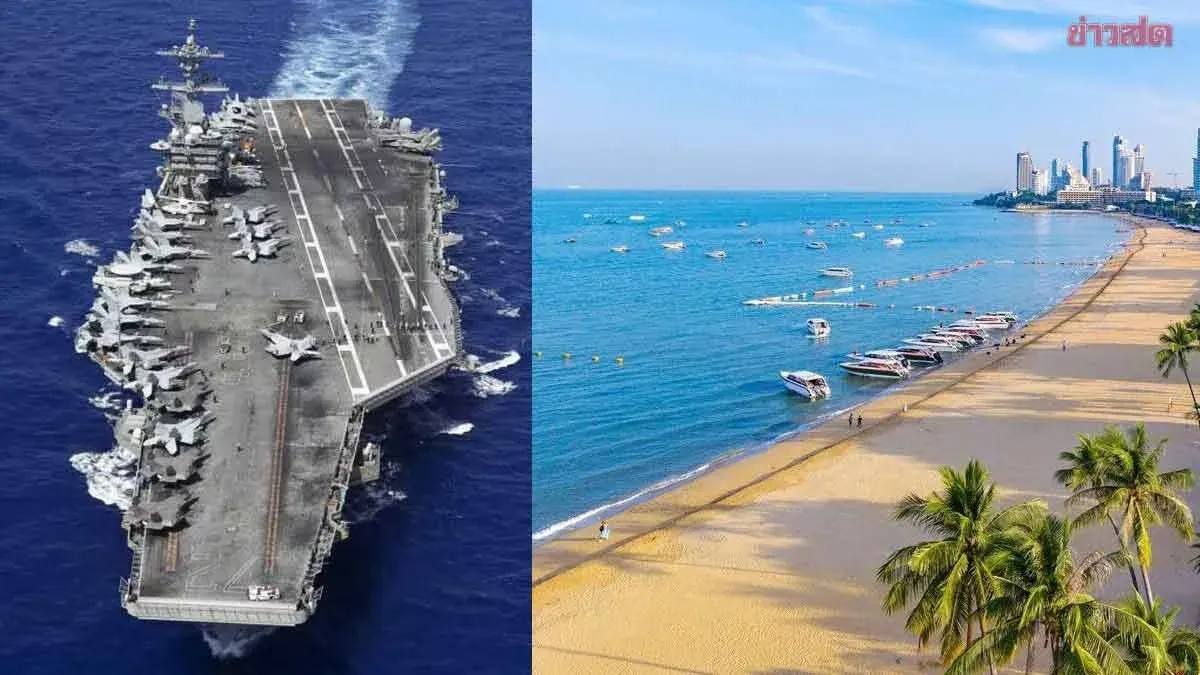
Around 5,000 U.S. Navy sailors from the USS Abraham Lincoln carrier strike group arrived in Pattaya for rest and recreation in early September, providing a significant economic boost to the city during its typically slow tourism season.
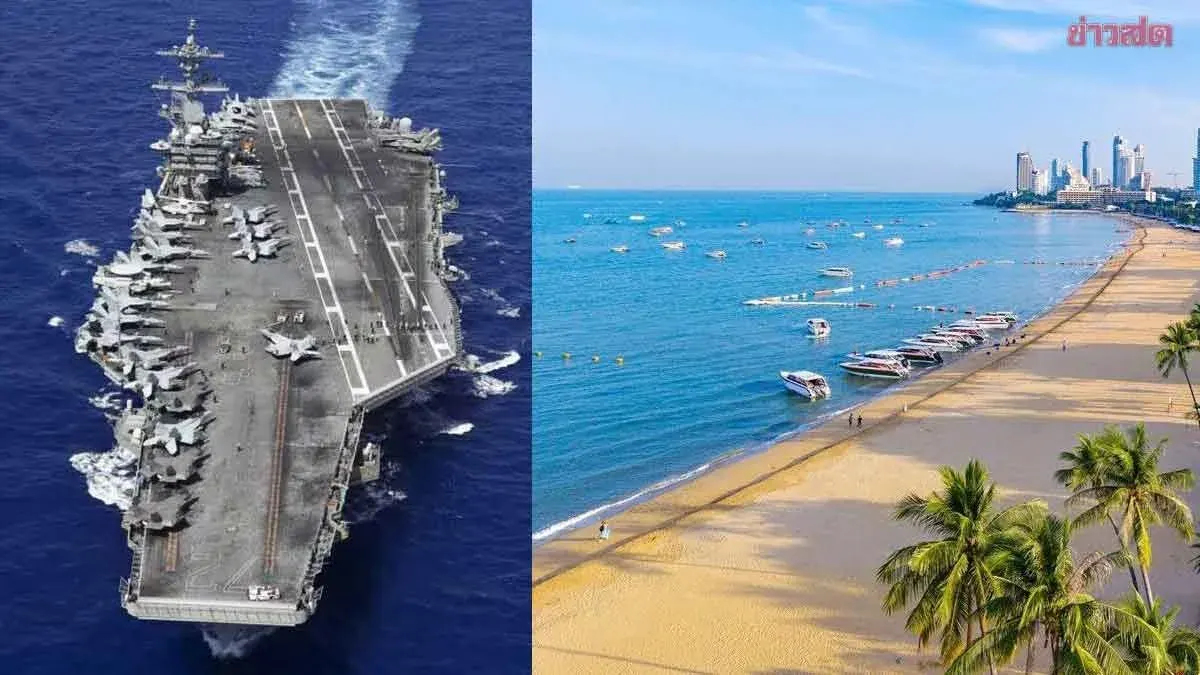
Chutima Jiramongkol, president of the Pattaya Business and Tourism Association, welcomed the arrival of approximately 5,000 U.S. Navy personnel from the USS Abraham Lincoln carrier strike group who came ashore for rest and recreation between September 2-6, 2025. She noted that the timing coincides with Pattaya's low season, when tourism typically declines and many hotels and businesses undertake renovations. The deployment provides a meaningful boost to the tourism and service sectors, particularly in terms of the city's international image and visibility as a destination, while the sailors' spending circulates money through local businesses.
The visiting naval personnel differ from U.S. military trainers familiar to Pattaya from the Cobra Gold exercise, as they are ship-based crews who spend over 200 days at sea and use shore leave for rest, activities, and services before returning to duty. Jiramongkol clarified that recommendations about certain tourist areas should not be interpreted as restricting access but rather as safety guidance similar to travel advisories for overseas visitors, aimed at reducing incidents or harm.
On security, Pattaya currently operates approximately 3,000 CCTV cameras to monitor conditions throughout the city. Police, tourism police, municipal administration, and U.S. security personnel have heightened vigilance and increased patrols in tourist areas. Jiramongkol forecast that Pattaya's tourism atmosphere will gradually become busier, especially later in the year with major events and festivals that will further energize the tourism and service sectors.
Regarding economic impact, while the 5,000 sailors represent only a portion of Pattaya's total hotel capacity, they provide meaningful assistance to businesses during the low season through spending, creating a vibrant atmosphere, and boosting morale among local operators. "The clearest benefit is the image it creates," Jiramongkol said. "There is also new spending to stimulate the economy, and it generates excitement, satisfaction, and activity for business owners during the slow period."