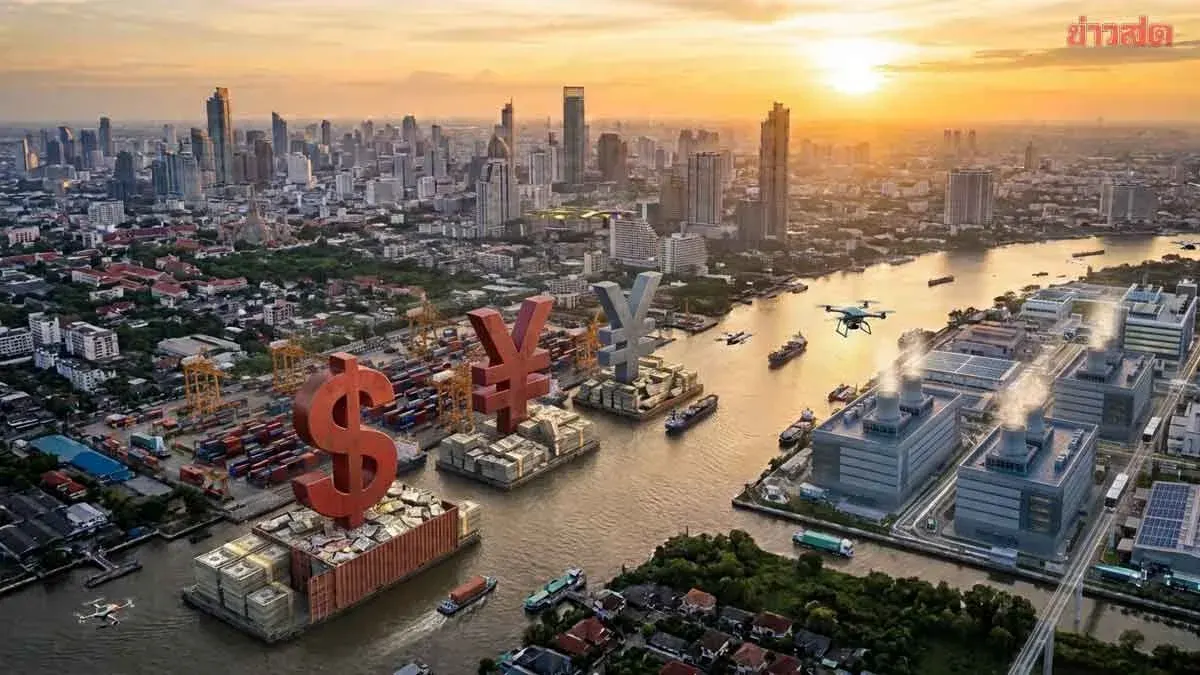
Thailand Risks Becoming Asia's Dying Tiger After Fifth Tiger Era
Thailand's rise as the Fifth Asian Tiger has reversed due to structural economic weaknesses, including overreliance on foreign capital, a burst property bubble, the 1997 financial crisis, and the pandemic. The country now faces a shrinking workforce, rising inequality, and a diminishing role in high-tech global supply chains, raising concerns it could become a "dying tiger" in Asia.
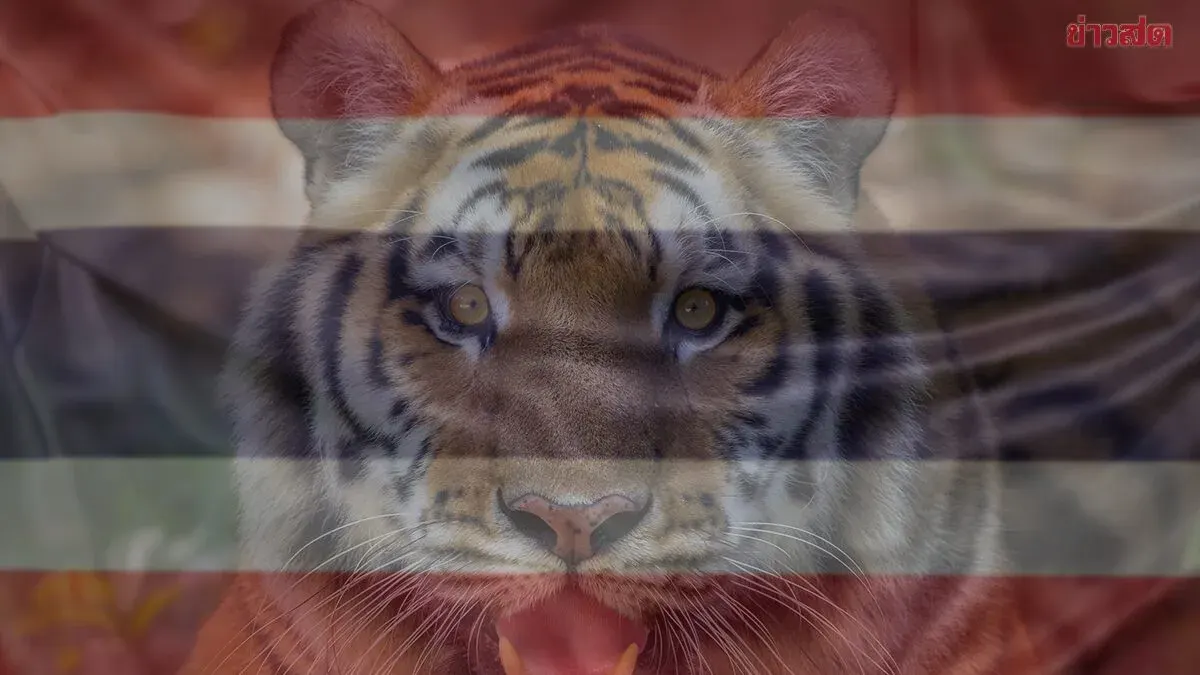
The article explores how Thailand's status as the Fifth Asian Tiger — a term reflecting its impressive economic and industrial development alongside Hong Kong, Singapore, South Korea, and Taiwan — has faded. Initially driven by a shift from agriculture to export-oriented manufacturing in textiles, footwear, electronics, and computer parts, the economy grew rapidly. However, vulnerabilities emerged: excessive dependence on short-term foreign loans fueled speculative investment and a massive property bubble. When the bubble burst and the 1997 Tom Yum Kung crisis hit, the baht collapsed, businesses failed, unemployment soared, and the financial sector was devastated. The COVID-19 pandemic dealt another severe blow. Meanwhile, neighboring economies surged ahead. Today, Thailand is stuck in the middle-income trap with slow wage growth, a shrinking working-age population, widening inequality, and a declining role in global production chains, raising fears it may lose its competitive edge and bargaining power in international trade and investment.