Prachinburi Deputy Governor Confirms River Fish Safe After Pollution Scare
Prachinburi's deputy governor announced that lab tests on fish from the Prachinburi River found no heavy metals exceeding safety standards, declaring aquatic life safe to eat. The results come amid ongoing public anger over black, foul-smelling wastewater allegedly flowing from the Bo Thong Industrial Estate into local waterways since early 2025. Community leaders are demanding permanent factory closures and criminal prosecution under the Factory Act.
Prachinburi's deputy governor has released laboratory results confirming that aquatic animals from the Prachinburi River are free of heavy metals and safe for consumption, addressing mounting public concern over industrial pollution.
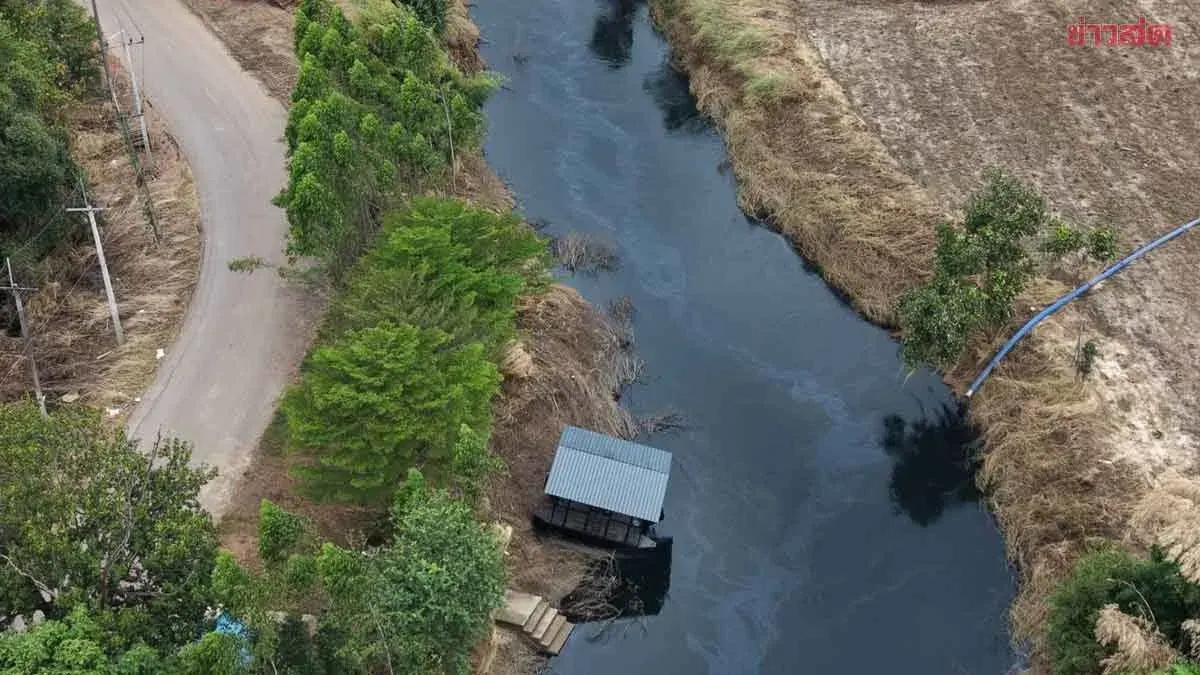
On October 21, 2025, media reported intense worry and criticism on social media after community leaders in Ban Na Tai, Village 6, Bo Thong Subdistrict, Kabin Buri District, posted images and messages documenting black, murky wastewater with a putrid odor flowing from behind the Bo Thong Industrial Estate into the public pond around Bueng Nong Khon — a crucial raw water source for village tap water production — before overflowing into Khlong Phra Prong and the Prachinburi River. The problem has persisted since early 2025, previously causing mass fish deaths, and locals say factories continue to secretly discharge wastewater into public canals without fear of the law.
Area inspections revealed that during floods or heavy rain, wastewater overflows into agricultural areas, killing rice crops and grass. Residents suspect industrial factories are covertly dumping waste. Sunthon Khomkai, leader of the "Prachinburi Strong" group, demanded authorities invoke Article 39, Section 3 of the Factory Act to permanently close polluting factories, rather than using Section 1 which only orders temporary improvements. He also called for compensation covering lives, property, long-term health checks, environmental restoration, and strict criminal prosecution.
Sunthon further proposed relocating Prachinburi's entire industrial sector elsewhere, accusing past enforcement of being slow and negligent, making temporary closure orders merely "a single sheet of paper" — factories reportedly remove the notice and resume operations, only replacing it when special inspectors arrive. He added that when villagers reported rainbow-colored oil slicks, authorities never rushed to investigate, allowing evidence to fade.
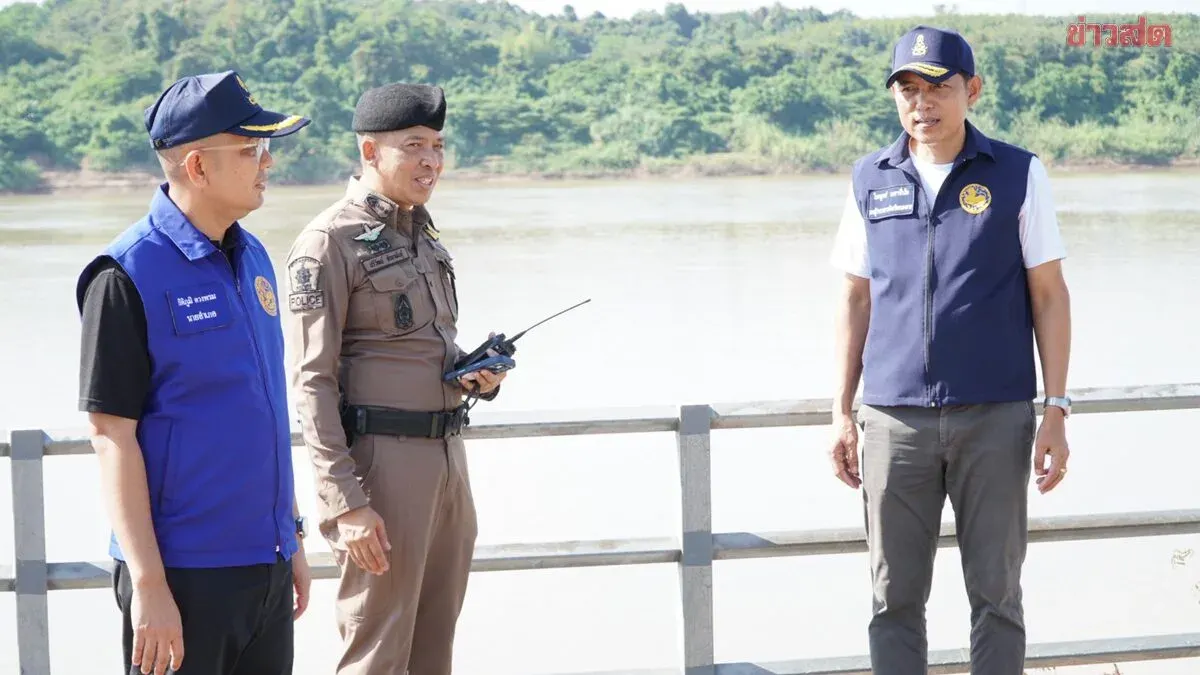
Most recently at 20:45, Deputy Governor Sanya Nami disclosed analysis results from the Department of Fisheries laboratory on nine samples of wild and Nile tilapia fish collected from eight stations covering upstream to downstream on October 13. Results showed "passed inspection, safe, no heavy metals exceeding health standards." Trace amounts of cadmium and lead were either minimal or undetected, well below safety thresholds, confirming that aquatic life and fish in the Prachinburi River can be consumed with complete confidence.