Doctor Challenges Gold Card Healthcare System in Senate Debate
A senator-physician challenged Thailand's gold card health insurance system in Parliament, questioning whether citizens truly receive timely, quality care or merely hold certificates while facing long waits and regional disparities.

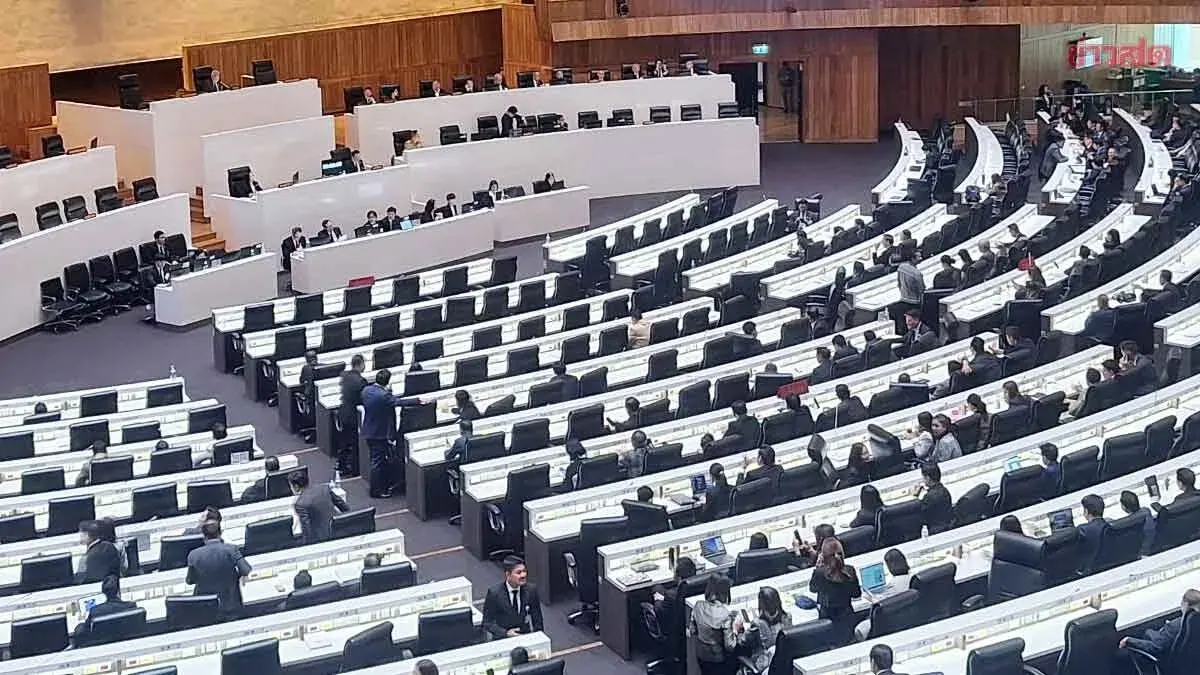
On September 8, 2025, at Parliament, Senator-physician Premsak Piyayurera spoke during a Senate session reviewing the national health security system report for fiscal years 2567 and 2568, stating this debate was not intended to undermine the gold card scheme that has helped many Thais access care without bankruptcy. Instead, he raised a fundamental question: after more than 20 years of operation, do citizens truly receive health security, or merely hold a certificate with rights on paper while facing lengthy waits for actual treatment?
Piyayurera emphasized the distinction between holding insurance rights and receiving timely, quality care. When patients fall ill, he noted, they need a doctor to see them, a bed to enter, medications to receive, and timely tests—not just a certificate. Yet the question persists: do we have a gold card or a waiting card?
Waiting times, uneven service quality across regions, staff shortages, and incomplete data integration are major problems demanding urgent fixes. For cancer, heart disease, and stroke patients, waiting weeks can mark disease progression and reduced treatment chances. Patients who spend dawn to dusk at hospitals lose not only time but wages, income, and transport costs; some families borrow money to reach free care, making treatment nominally free but access never costless.
Piyayurera criticized the referral system for becoming a relay of patient transfers, noting that in 2568 the hotline 1330 processed 56,751 referrals against 66,100 complaints and 41,891 additional grievances. Many citizens still depend on coordinated referrals to access rights they already hold. Thailand speaks of Big Data, Digital Health, and AI, yet patients sometimes manually connect their own data. Data should move on behalf of patients, not patients following data—cancer does not wait for referral forms, blood clots do not wait for approval systems, heart attacks do not await clearance, and death never waits for bureaucratic time.
On the 30-baht universal treatment policy, Piyayurera acknowledged that identity verification through facial recognition, QR codes, or anti-fraud technology is necessary but must not become a new barrier for elderly citizens, the disabled, the poor, or those without smartphones. If an 80-year-old cannot operate a phone, systems fail, or authentication falters, does the state have adequate alternative channels? Technology must simplify life, not transfer inequality from government windows to mobile screens. The 30-baht policy must not become treatment everywhere but only for some and never for all times.
Regional healthcare inequality persists, particularly in access to specialists, CT scanners, MRI machines, and complex-care centers. Equal legal rights do not guarantee equal real-world treatment opportunities.
Despite the National Health Security Office reporting 98.79% patient satisfaction in its 2568 report, the same document contained additional caveats and unresolved concerns.