Doctor Warns of Silent Arsenic Threat in Thai Rivers
A Thai neurologist has warned of the silent dangers of chronic arsenic exposure after treating a miner with severe nerve damage and cognitive decline. The case highlights arsenic contamination in Chiang Rai's Mae Sai River, where levels were found at 25 times the safety standard. Dr. Surat Tanprawate urges the public to use only verified safe water sources and seek medical screening if living in at-risk areas.
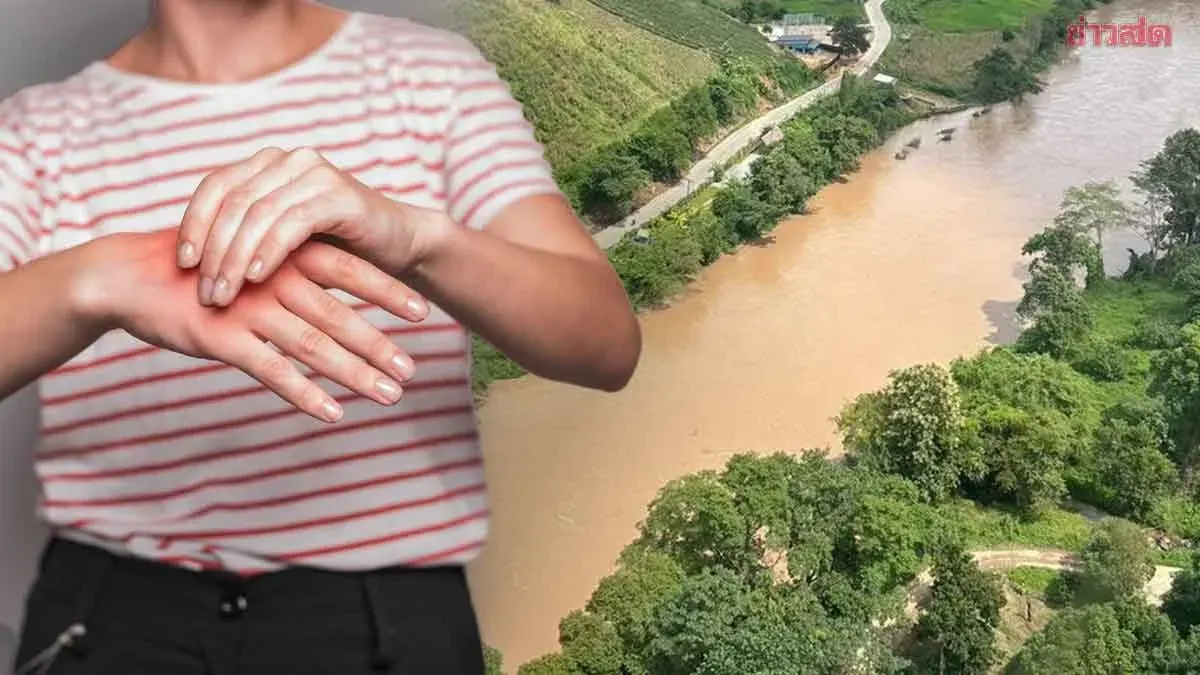
Neurologist Asst. Prof. Dr. Surat Tanprawate posted on his Facebook page "Brain Matters with Dr. Surat" about a patient who suffered arsenic poisoning from years of mining work. The patient experienced numbness in the hands and feet, diagnosed as peripheral neuropathy, with burning pain that was initially misdiagnosed as spinal nerve compression. Over time, weakness developed, and the true cause — chronic arsenic exposure — was identified. Beyond limb pain, the patient also suffered memory loss and brain fog. Dr. Surat called this a "silent threat."
The case recalls recent news of arsenic contamination in the Mae Sai River in Chiang Rai. On November 10, 2026, the Pollution Control Department reported preliminary tests finding arsenic at 0.25 milligrams per liter — 25 times the surface water standard — near Ban Huai Fai in Mae Sai District. While drinking water supplies were reportedly unaffected, the finding is alarming.
Arsenic is a naturally occurring metalloid that enters the environment through human activities like mining. Inorganic arsenic is highly toxic and a confirmed human carcinogen. Chronic exposure differs from acute poisoning because clear symptoms may not appear for months or years while the toxin accumulates. Besides the brain and nervous system, it damages other organs and causes cancers of the skin, lung, and bladder, risks the WHO confirms increase with long-term exposure.
Detection is difficult: no symptoms does not mean no risk. Urine testing must distinguish between organic arsenic (from seafood) and toxic inorganic arsenic through speciation analysis. Prevention is paramount: use only verified safe water sources, especially in monitored areas; never drink or cook directly with river water from contaminated zones — boiling does not remove arsenic; avoid aquatic animals and produce from risk areas until confirmed safe; and those continuously using water from risky sources should consult doctors or public health offices for exposure assessment and health screening.
The greatest concern may not be today's headlines. Arsenic exemplifies environmental health problems whose impacts emerge years after contamination begins. A single water test cannot gauge lifetime risk, and the absence of symptoms does not confirm safety from long-term effects.