Dr. Yong Reveals Thailand Has Known About Hantavirus for Over 40-50 Years
Thailand has detected hantavirus in rodents and humans for over 40 years, but experts say the risk remains extremely low as the local strain differs from the deadly Andes variant currently causing outbreaks globally.
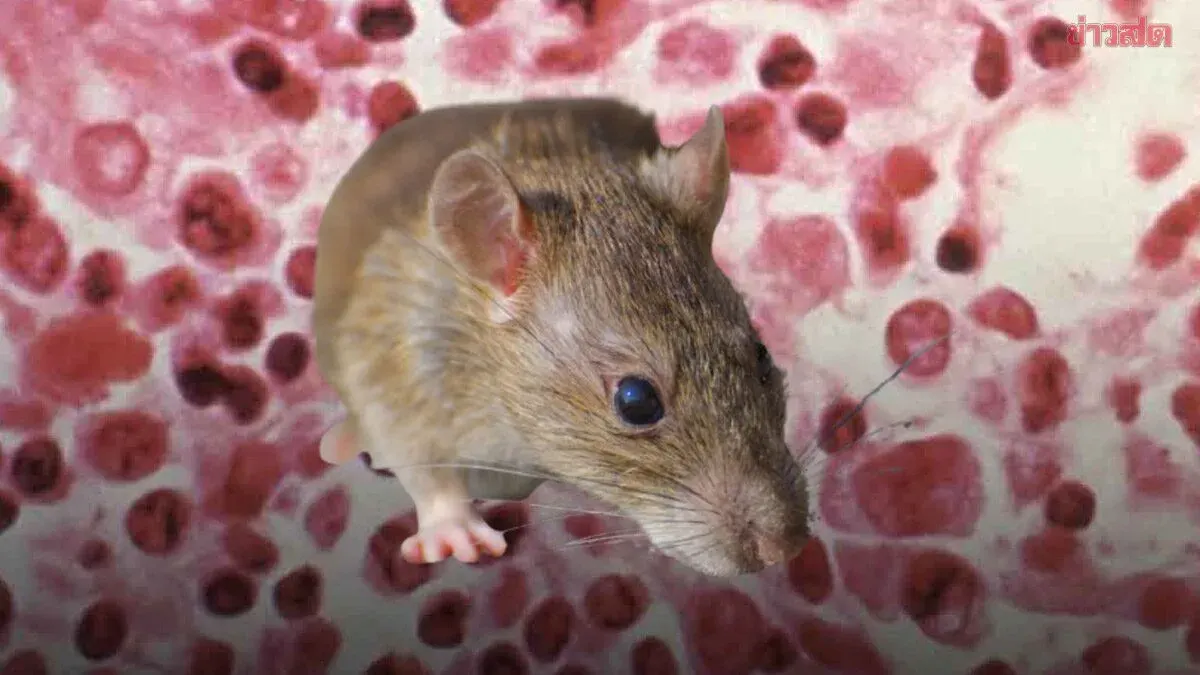
Dr. Yong Phuvaravarn has revealed that Thailand discovered hantavirus over 40-50 years ago, but the risk level is considered very low and there is no cause for concern.
On May 10, 2025, Dr. Yong Phuvaravarn, a Royal Institute member and clinical virology expert at the Faculty of Medicine, Chulalongkorn University, posted about hantavirus and whether it poses a threat to Thailand.
Hantavirus is an RNA virus in the Hantaviridae family, with rodents and other small mammals serving as primary hosts. Humans typically become infected through inhalation of contaminated dust or rodent excretions such as urine, feces, or saliva in the environment.
The name "Hanta" comes from the Hantan River in South Korea, where the virus was discovered after the Korean War. When I was a student, I already knew about it. When dengue fever occurs, we must distinguish it from this virus, especially when kidney failure is involved. Later, with leptospirosis, we also had to consider this disease because of many similar symptoms.
The disease is found worldwide and is divided into two groups of symptoms: - Symptoms resembling dengue fever with kidney problems (Hemorrhagic Fever with Renal Syndrome - HFRS), commonly found in Asia and Europe - Respiratory or lung symptoms (Hantavirus Pulmonary Syndrome - HPS), found in the Americas, particularly Central and South America
Transmission occurs through inhalation of contaminated dust from rodents, contact with rodent droppings, and rodent bites (rarely). Generally, person-to-person transmission is uncommon, except for the Andes strain currently in the news.
Symptoms include high fever, muscle pain, headache, nausea, and vomiting. In severe cases, kidney failure, hemorrhaging similar to dengue fever, pulmonary edema, and respiratory failure may occur.
The Andes strain currently causing outbreaks has a mortality rate of 30-40%.
Has it been found in Thailand?
Thailand "has found" evidence of hantavirus and antibodies in both rodents and humans. Hantavirus genetic material has been detected in various rodent species, particularly rats such as the roof rat, and antibodies have been found in certain populations, especially those who have contact with rodents or work in agriculture.
Hantavirus cases in Thailand are considered extremely rare, and the strain found is different from the current outbreak strain. Thailand's risk level is very low. Although the virus exists in Thailand, it is a different strain and has been present for over 40-50 years, so there is no cause for concern.