Democrat Party Slams Fuel Tax Cut as Missing Target
The user wants a short summary (1-2 sentences, 120-220 characters, max 240) of the article about the Democrat Party criticizing the government's fuel tax cut. The summary must be in English only, factual, plain English, lead with what happe

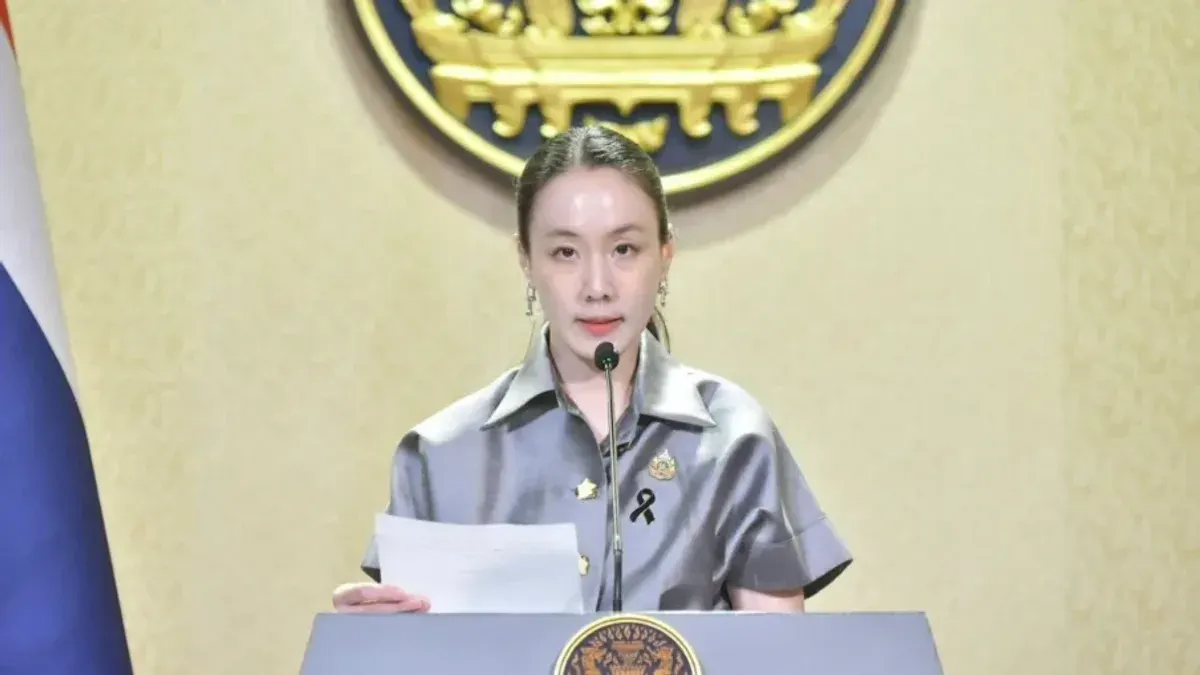
Thira Sirichantaropas criticizes the government's reduction of excise tax on E20 and B20 fuels as missing the mark and failing to address the cost of living, urging cuts to B7 diesel and gasohol 91-95 taxes to help ordinary people. On October 27, 2026, at the Democrat Party headquarters, Thira Sirichantaropas, the party's energy economics team, commented on the Cabinet's resolution to reduce excise tax on E20 and B20 fuels for three months, stating the Democrat Party views this measure as not fully addressing cost of living since both fuel types have low usage compared to high-speed diesel B7 and gasohol 95/91. Currently B20 usage is about 3 million liters per day and E20 about 6.5 million liters per day, while high-speed diesel B7, a key fuel for transport, agriculture, production sectors and public transport, sees usage of about 62 million liters per day, and gasohol group is used by the public up to 31 million liters per day including riders, motorcyclists, and all small-scale users. The next issue raised was Deputy Prime Minister and Interior Minister Anutin Charnvirakul's statement that selecting only B20 and E20 for tax cuts was a measure to help farmers and transport workers. The Democrat Party notes that E20 and B20 are already cheaper than regular gasohol and diesel by about 6 baht per liter, yet the public still hasn't switched to these fuels, with usage volumes differing by more than tenfold. The government cannot be confident that if these fuels become even cheaper, people will use them more. 'Currently very few people use B20 and E20 because they cannot be used with many types of agricultural machinery, so this approach is seen as missing the mark,' Thira said. The Democrat Party reiterated its original proposal that if the government is sincere about helping people lower their cost of living, it should show sincerity by reducing taxes across all fuel types, not just cutting taxes on fuels people don't use, and the government must listen to the people's frustrated voices struggling with living costs. 'We urge the government to listen to the people and put their concerns at heart. Don't make policy piecemeal or just sprinkle parsley to patch problems day by day, because not only does it fail to relieve the heat, it reflects a lack of maturity and never recognizing that the people queuing at gas stations every day are suffering from which fuel type,' Thira said.