Editorial – Lessons from Tragedy
A train-bus collision in Bangkok killed and injured many, exposing critical failures in Thailand's transportation safety systems and infrastructure maintenance. Authorities must implement comprehensive automated safety measures and hold all
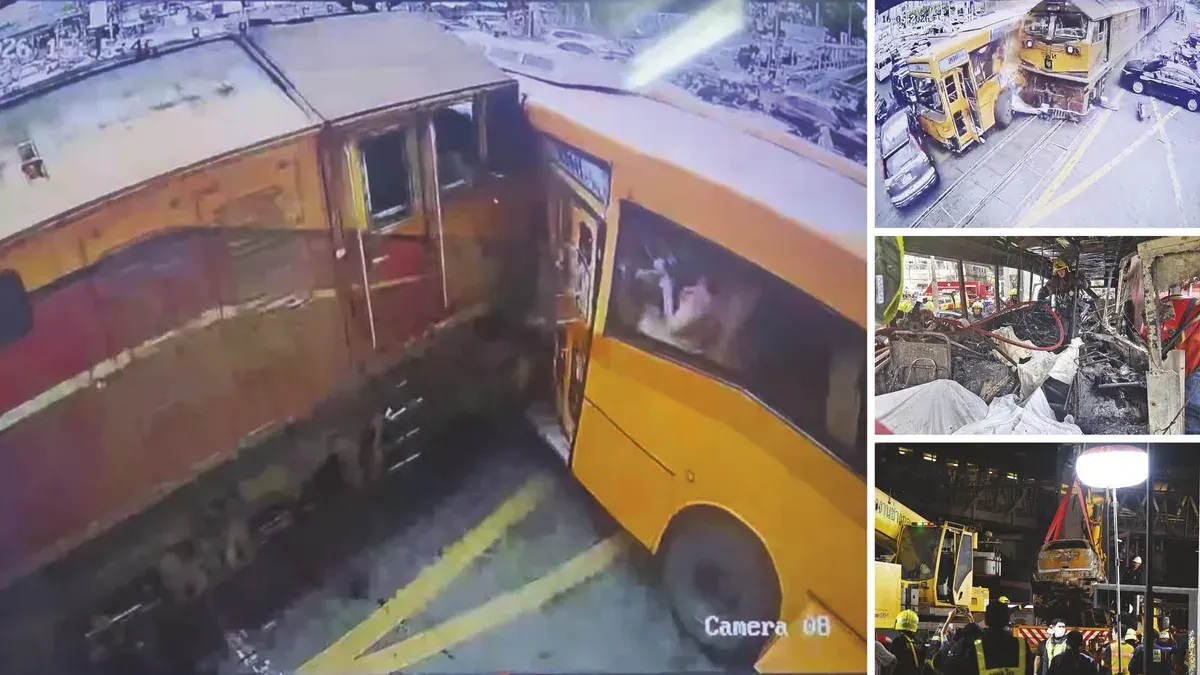
A freight train collided with an air-conditioned intercity bus line 206 in central Bangkok, causing a massive fire that killed and injured numerous people. This tragedy exposes critical failures in Thailand's transportation infrastructure—from outdated systems and insufficient safety investments to poor equipment maintenance and coordination gaps between agencies. The discovery that the train operator tested positive for drugs raises additional concerns about the screening and supervision standards for public transport personnel who hold people's lives in their hands. While human negligence and disregard for safety warnings by road users also play a role, the state cannot shift all responsibility onto the public. The government must design systems that prevent human errors from becoming major catastrophes through comprehensive automated barriers, stuck-vehicle detection systems, multi-level warning signals, real-time monitoring cameras, and grade separations in urban areas. Beyond legal accountability, survivors deserve more than apologies and token compensation—the state must conduct thorough investigations and hold all responsible parties accountable while urgently implementing comprehensive safety reforms for both roads and railways. This expensive lesson must be genuinely learned by all stakeholders and society as a whole, not forgotten as just another headline before the next preventable tragedy occurs.