Editorial – Parliamentary Committees
Thailand's House Speaker has allocated chairs across 35 standing parliamentary committees to six political parties, with Bhum Jai Thai securing the most positions at 14 committees, as the legislature formally begins operations with appointm
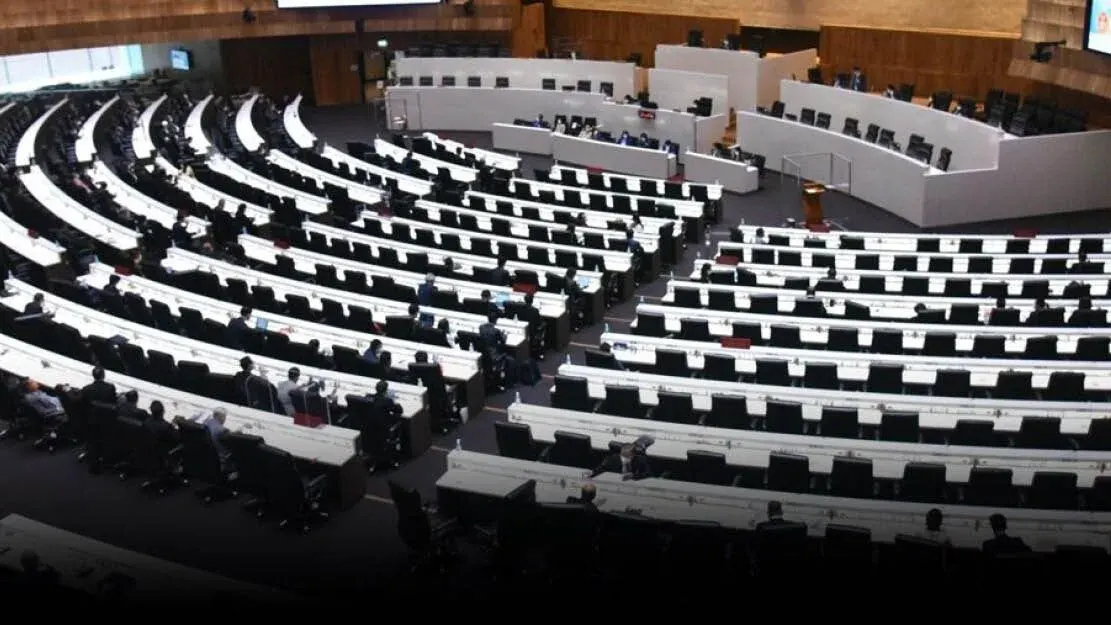
The House Speaker convened representatives from six political parties that received committee chair allocations to coordinate the division of responsibilities among the current parliament's 35 standing committees. Among the 500 representatives, Bhum Jai Thai Party secured 14 committees, Prachathai Party 9, Pheu Thai Party 5, Kla Tham Party 4, Prachathipat Party 2, and Thai United Power Party 1. The political parties have recently submitted the names of chairs and vice-chairs for all 35 committees. The House will now issue formal appointment orders along with complete rosters of committee members, secretaries, and spokespeople to proceed with their functions.
The current House of Representatives is now prepared to fulfill its legislative role as prescribed by the Constitution. The 35 committees will help distribute the substantial workload and responsibilities of the House. Parliamentary committees are internal organs of parliament composed of selected members from the House, Senate members, and experts appointed to investigate or study assigned matters and report findings upon completion.
Committees serve as mechanisms for parliamentary operations, as parliament holds broad powers and responsibilities encompassing all national affairs while needing to address diverse legal issues. This requires gathering comprehensive factual information for thorough consideration and decision-making. However, parliamentary limitations—including constrained meeting schedules and varying individual expertise—necessitate specialized committees.
These committees take responsibility for reviewing specific legislation and conducting assigned work according to their authority and terms of reference. This enables members to develop deeper understanding of issues and facts, ensures the House receives accurate and appropriate information through coordination with relevant agencies, and allows effective monitoring of government administration.
Therefore, those elected as chairs, vice-chairs, and members of the 35 standing committees are honored with specific responsibilities serving the House and providing robust oversight of the executive branch. They must perform their duties with integrity, prioritizing public welfare and national interest, upholding democracy, remaining open to diverse perspectives, and seeking accurate and comprehensive information.