Bhumjaithai Proposes Parliament Rule Overhaul Including PM Question Changes
The Bhumjaithai Party has submitted draft amendments to Thailand's House of Representatives regulations for consideration on November 11. Key changes include flexible committee numbers, stricter rules for summoning officials, secret ballots for committee leadership, and a provision allowing the prime minister to skip question time by delegating to another minister. The ruling coalition partner aims to push the changes through with its parliamentary majority.
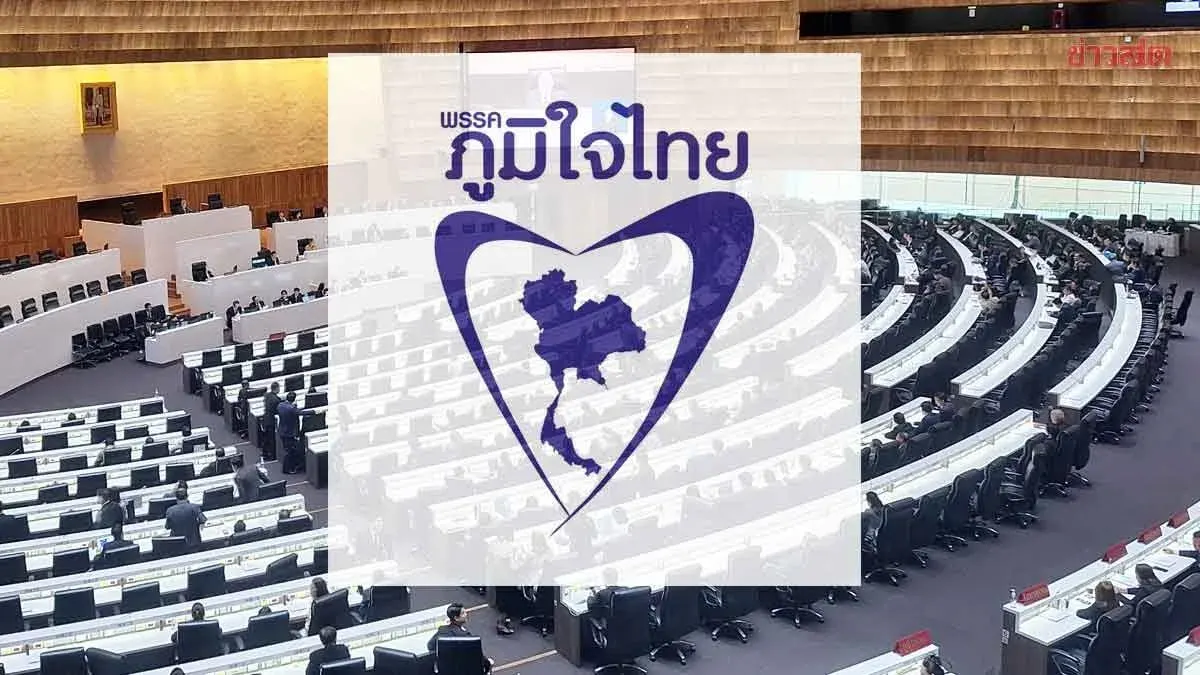
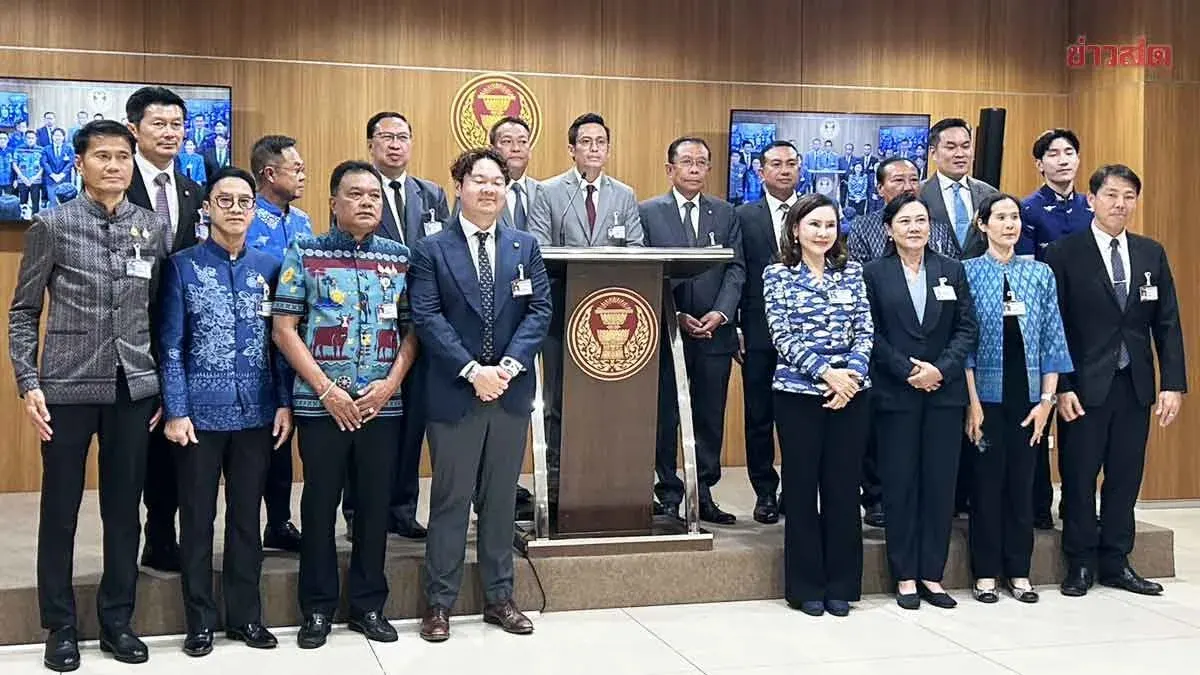
The Bhumjaithai Party has proposed amendments to House of Representatives meeting regulations, planning to use its majority to lock in committee chairs across all committees and open a channel for the prime minister to dodge questions. On November 4, 2026, media reported from parliament that the House meeting on November 11 has a key agenda item: consideration of draft amendments to House meeting regulations proposed by Bhumjaithai to revise certain provisions that no longer accommodate current parliamentary issues, to make House operations more efficient and consistent with present conditions.
The main proposed amendments are: 1. Adjusting the addition or reduction of standing committees under Rule 90, allowing the House meeting to consider increasing or decreasing committee numbers as appropriate for changing circumstances, instead of the fixed 35 committees. 2. Revising rules for summoning documents or people to committees, requiring approval from at least half of all existing committee members and a signed letter from the committee chair. For state officials summoned, the chair must notify the prime minister and the relevant supervising minister, making it the duty of the PM or responsible minister to order that person to provide facts as the committee requests, rather than just the chair sending a letter. 3. Selecting committee chairs or vice-chairs: if only one name is nominated, that person is elected; if multiple names, a secret ballot decides, with the highest vote winner elected. Ties trigger a revote, and if still tied, drawing lots decides. This replaces the previous proportional allocation based on party representation. 4. House meetings shall be public unless the prime minister, a minister, or more than half of all committee members request a closed session. In closed sessions, only those involved and permitted by the chair may attend; previously this was unspecified. 5. Live broadcasting of committee meetings requires a majority vote of all committee members; previously there was no such rule. 6. The prime minister or minister targeted for questioning must attend the House meeting to answer personally unless absolutely necessary. They may request a postponement or designate another minister to answer, by submitting a letter to the House speaker before or on the meeting day, including via electronic means per House regulations. This removes the previous requirement that the PM or minister specify when they would answer in case of postponement.