Bhumjaithai Pushes Parliamentary Reform to Curb Oversight Committees
Bhumjaithai Party is pushing parliamentary rule changes to weaken opposition-led oversight committees by transferring powers to the House Speaker and requiring majority votes for committee chairs and prime ministerial approval for summoning
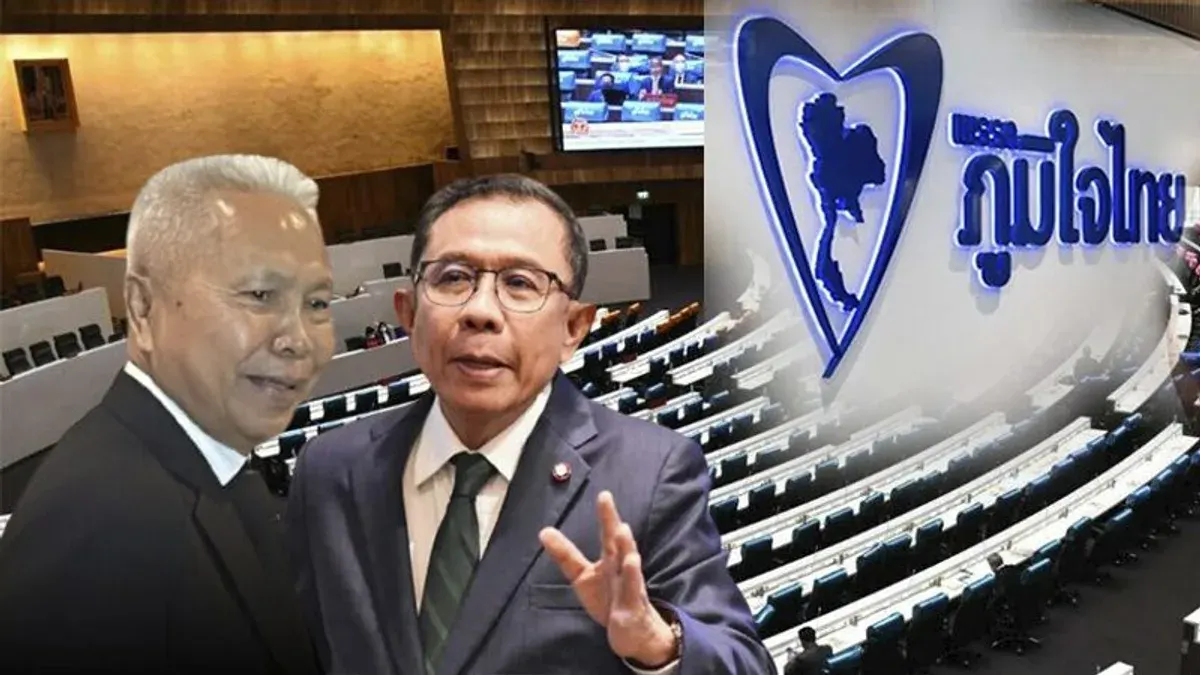
The allegation is serious and demands urgent clarification regarding the widely discussed 'blue water swallows salt' rhetoric. It cites the seizure of the Senate through the 'Senate hijack' accusation, which extended to independent bodies like the Constitutional Court, the Election Commission, and the NACC. In the House, Bhumjaithai swept up 192 MPs, combined with Pheu Thai's 74, plus a sizable bloc of opposition MPs waiting to defect — giving the government a stable majority. Not to mention the police, DSI, Interior Ministry, and local administration, all brought into line without fracture. The only thorn remains the parliamentary committees chaired by opposition members, which have scrutinized issues from the AI passport scheme to the DE Minister's gambling website allegations, and most recently the finances of the husband of Chaiyaphum MP Suchada Sangthanu, former secretary to the Deputy Interior Minister. This has fueled moves to reduce committee powers and transfer them to House Speaker Sophon Saran.
The Speaker issued an order summoning individuals for clarification and setting the agenda, which must be approved by a parliamentary vote. Everyone knows the government holds a commanding majority in the House, and the same proportion applies in the committees. Even if Bhumjaithai, the government's core, claims no connection to the matters under investigation, the public will decide whom to believe.
The situation escalates as Bhumjaithai moves aggressively to amend House rules. While several provisions are at stake, the key is committee reform. Beyond requiring a majority vote to summon witnesses — and then needing the Prime Minister's approval — the committee chair would shift from party quota to majority vote. This would ensure absolute control.
It is no surprise the Legal Affairs Committee refused to accept the Speaker's order, citing constitutional concerns about checks and balances, and invited Speaker Sophon to explain. Even more striking was Deputy Prime Minister Suriya Juangroongruangkit's fierce attack, calling the summons of the Speaker 'overreaching,' and claiming that defying the Speaker's order equals rejecting House rules and the Constitution — effectively elevating the Speaker to constitutional status, which seems unlikely. But if they truly believe that, one must ask: who is actually overreaching?