Education, Culture Ministries Turn Museums, Communities into Classrooms
The Education and Culture Ministries agreed to turn museums and communities into classrooms, integrating Thai textiles, history, crafts, and ethnic languages into curricula to boost vocational skills and the creative economy.
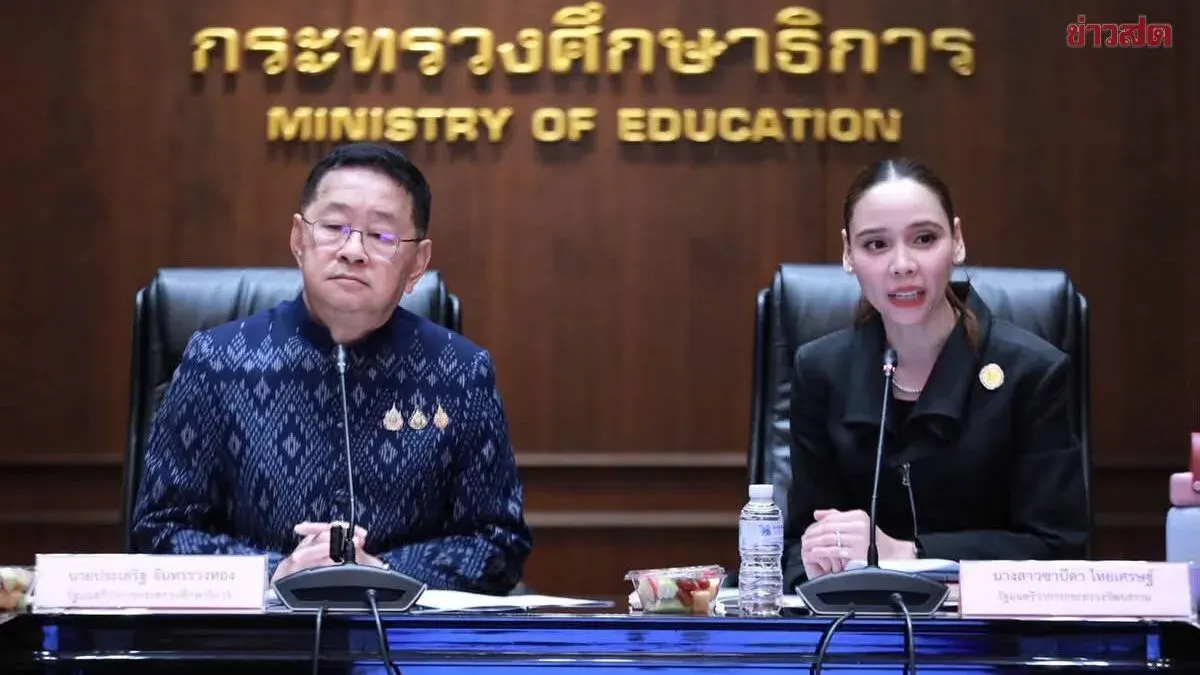
"Modern History" — Education and Culture Ministries Discuss Using Museums, Communities as Classrooms, Expand Cooperation in Five Areas Toward Vocational Skills and Creative Economy
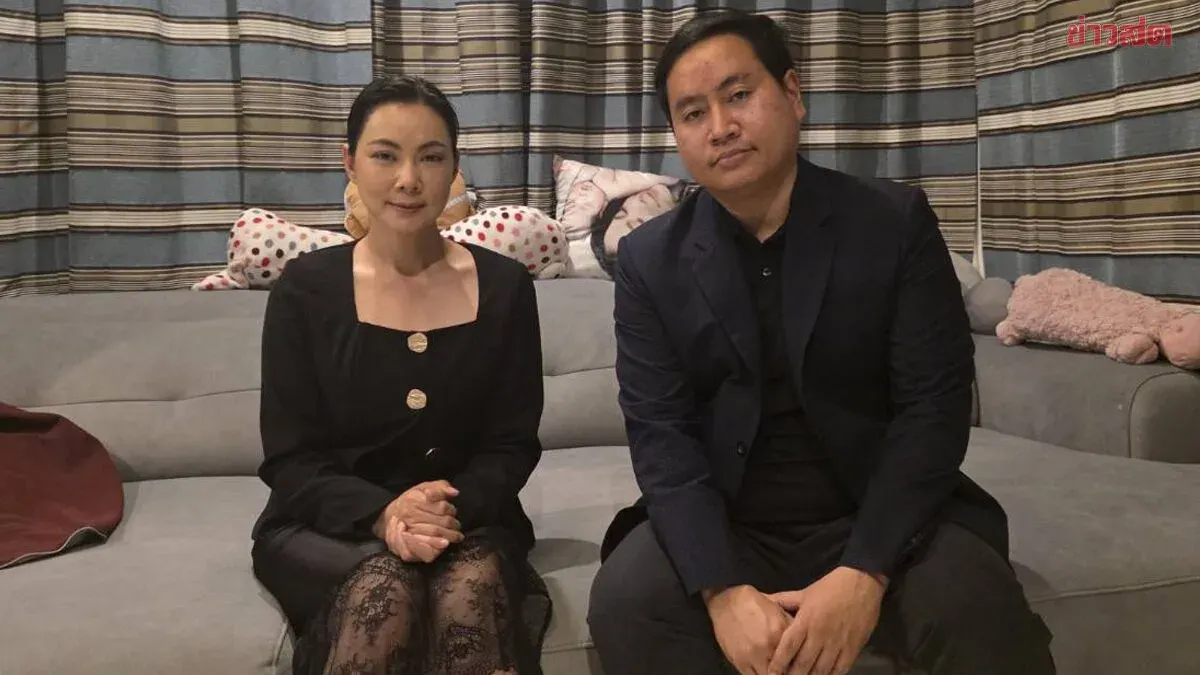
On November 5, the Ministry of Education (MOE) and Ministry of Culture (MOC) convened a meeting to outline cooperation on driving educational initiatives. Education Minister Pol. Gen. Permpoon Chidchob and Culture Minister Sudawan Wangsuphakijkosol jointly set policy and discussed integrating knowledge of Thai textiles, handicrafts, history, and cultural diversity into learner development and the creative economy to generate vocational skills and community income.
Permpoon stressed that history education remains vital and will stay in the Thai curriculum. Learning history helps students understand their roots and apply lessons to life, so central agencies must jointly develop diverse learning formats using modern resources and tools without increasing workloads for teachers and students. The meeting proposed five cooperation areas:
1. Thai Textiles and Costumes for Contemporary Learning and Design: Develop a standardized, well-sourced knowledge base. MOC coordinates experts and communities; MOE creates age-appropriate media and supplementary books, integrates into existing curricula, local content, and student activities without adding class hours. Both will verify accuracy of media and textbooks, and apply the "Thai Textiles Trend Book" edited by HRH Princess Sirivannavari Nariratana Rajakanya for students to study colors, materials, patterns, and design, then create works preserving local identity while meeting practical use.
2. History, Thai Culture, and Citizenship: Promote the "Museum as Classroom" concept, using museums, historical sites, and communities as evidence-based learning sources so students understand roots, develop analytical thinking, and respect diversity. Link learning resources, jointly develop teachers and media, and explore ways to reduce access costs, including free student admission.
3. Thai Craftspeople, Thai Costumes, and National Dress: Build on existing vocational institutions and occupational training networks to develop centers or networks for Thai textile and handicraft skills, addressing the shortage of tailors. Connect master craftspeople, designers, entrepreneurs, and buyers so learners practice design, production, quality control, cost calculation, and market testing, plus language and digital marketing skills to elevate craftsmanship to international standards, creating jobs and income with fair credit and benefit-sharing for indigenous knowledge holders.
4. Ethnic Languages and Cultures: Advance mother-tongue-based multilingual education (MTB-MLE), co-developing media and teaching methods with language owners and community knowledge holders so children access learning and develop Thai language securely while preserving mother tongues and community identities. Document folktales, vocabulary, and craft wisdom for future generations, with communities deciding on dissemination and data use.
5. Thai Musical Instrument Repair: From promoting youth, students, and university students to learn…