Ex-Justice Minister Urges Dialogue Over Lawsuits Against iLaw
Former Justice Minister Thaweesak Soisong calls for dialogue instead of lawsuits against activist Yingcheep Atchanon, warning that prosecuting him for exposing alleged senatorial corruption could constitute illegal suppression of free speec
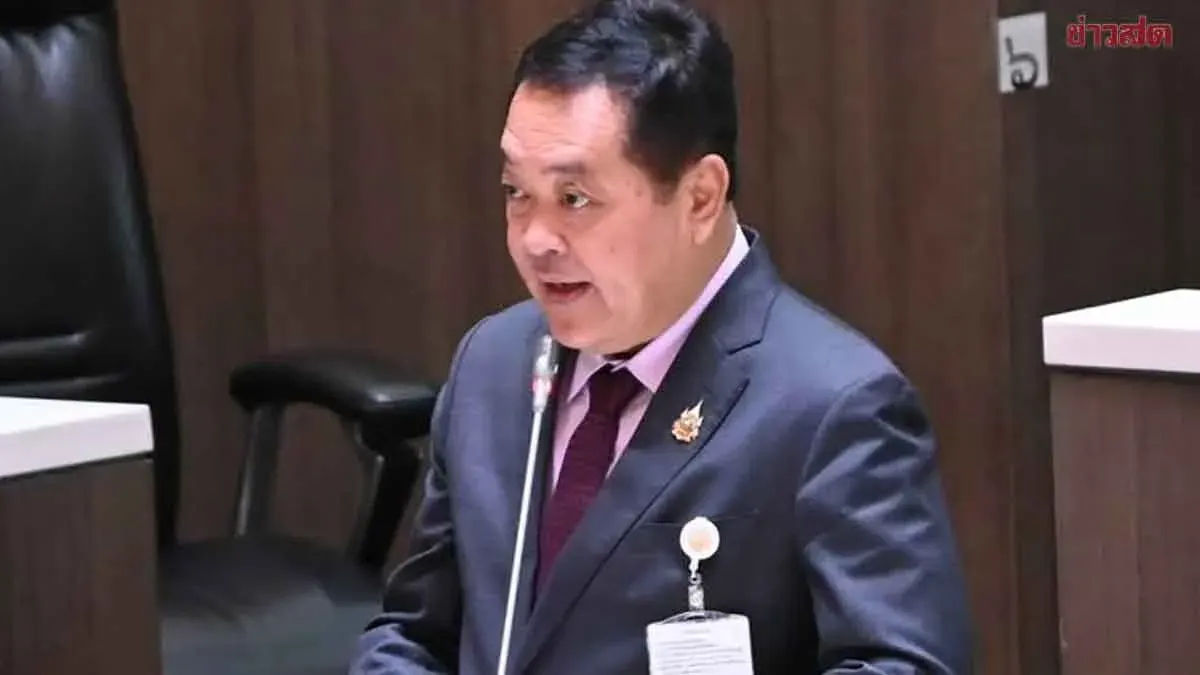
Pol. Lt. Col. Thaweesak Soisong, leader of the Prachathai Party and former Justice Minister, has commented on plans by the Prime Minister, cabinet ministers, and several politicians to prosecute iLaw activist Yingcheep Atchanon for defamation following an event exposing alleged corruption by senators.
Soisong stated that the freedom to express political opinions represents an essential form of democratic participation that the government should promote, not restrict, in accordance with constitutional provisions. He emphasized this principle applies not only to Yingcheep but to all citizens. When officials believe allegations are untrue, they should respond with factual clarification showing where the public has been misled and demonstrate willingness to submit to judicial scrutiny, rather than filing charges that create conflict.
Soisong warned that pursuing cases against both Yingcheep and the public risks the appearance of using legal mechanisms to suppress freedom of speech on matters of public interest, constituting potential strategic litigation against public participation (SLAPP). Such abuse of criminal law—whether through harassment, exploitation, or filing suits in distant venues—distorts justice and uses legal process as a tool to intimidate public discourse, amounting to abuse of rights.
Soisong added that the Constitutional Court's 2569 ruling in the case filed by 92 senators against him and Phumidham Thammavikrom found no wrongdoing but established important standards: the constitution demands strict ministerial ethics because ministers wield broad state power requiring scrutiny of both private conduct and official duties. Ministers must demonstrate evident integrity—acting straightforwardly, honestly, and without deception—and must not behave deficiently or distort matters for personal or factional benefit. Public scrutiny of how state power is acquired serves the broader social interest.
"Critically, the state must protect whistleblowers exposing corruption," Soisong stated. "Disclosure serves a constitutional obligation. Oversight agencies like the Election Commission and DSI must treat reports as vital leads, not grounds for charging reporters. The state must also protect witnesses from harassment or strategic prosecution."