Bangkok and the Geo-Informatics and Space Technology Development Agency signed an agreement to use satellite imagery and geospatial data to better manage disasters, pollution, and flooding at the city and community level.
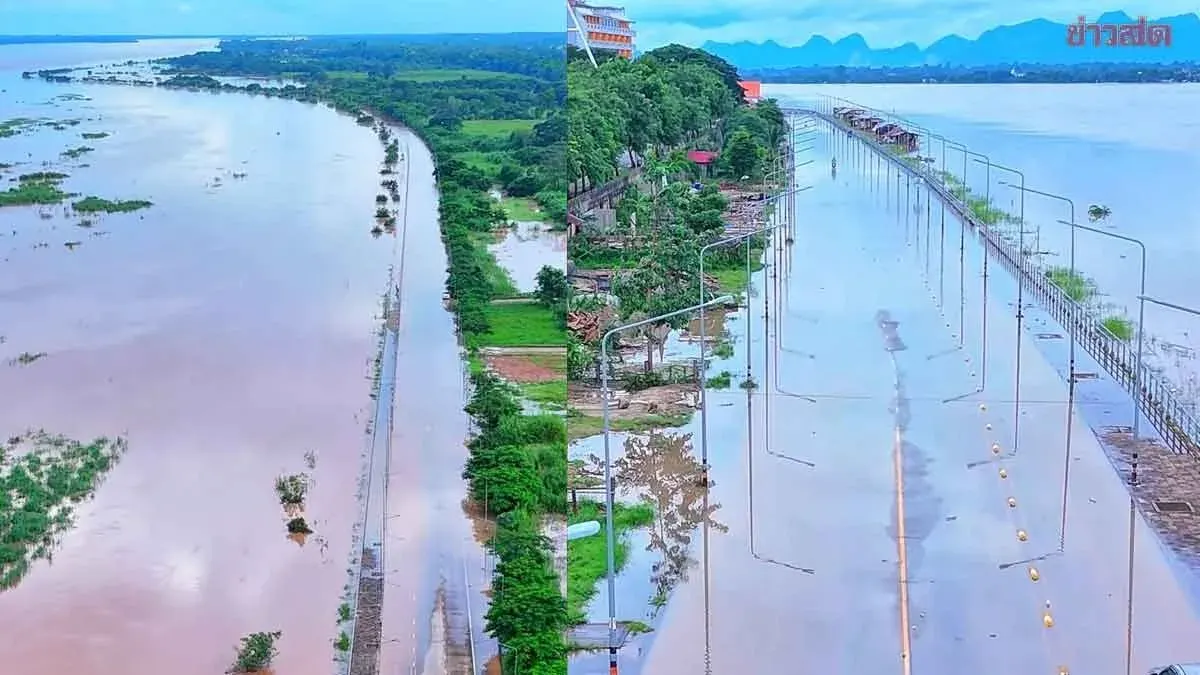
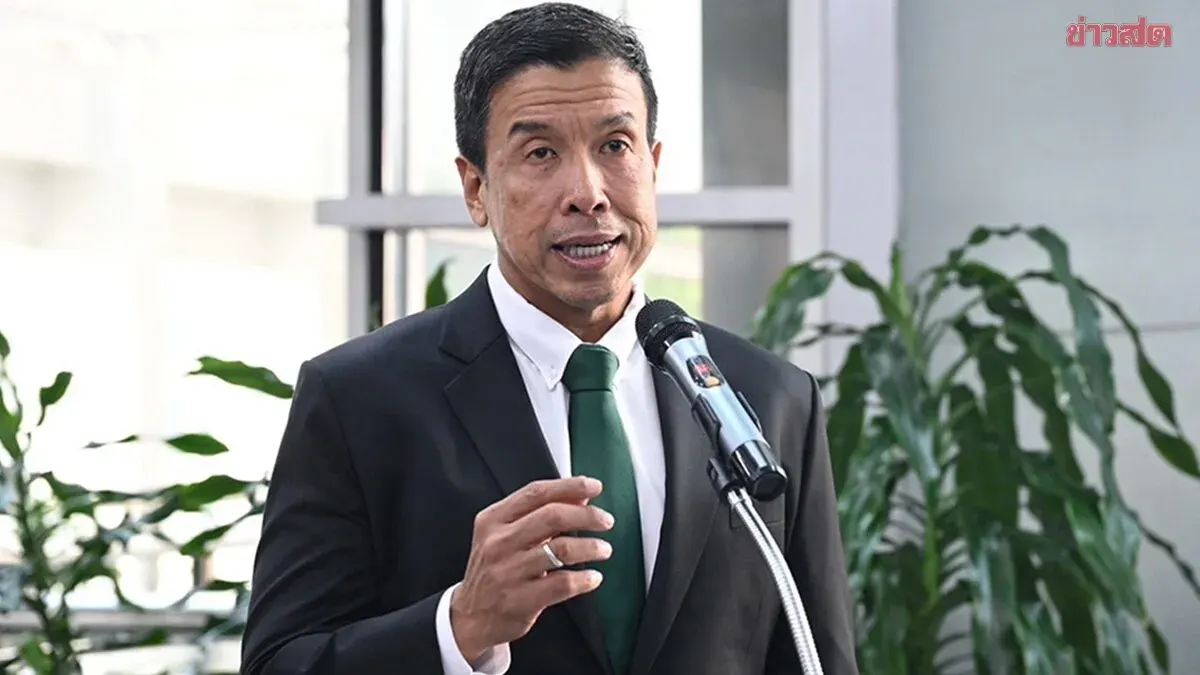
Bangkok and the Geo-Informatics and Space Technology Development Agency (GISTDA) held a signing ceremony on August 11 at Bangkok City Hall for a Memorandum of Understanding on applying space and geospatial technology to advance research and services in disaster management, environment, and public health at the urban and community level. Governor Chadchart Sittipunt, with GISTDA Director Pakorn Aphapan as witness, emphasized the initiative aims to tackle PM2.5 pollution, flooding, heat waves, and health impacts efficiently.
The two organizations will integrate satellite imagery, geospatial data, and sensor data from GISTDA with Bangkok's environmental, health, and spatial information to develop data systems, maps, and analytical tools at the district and community level. This will enable better monitoring, risk assessment, and targeted prevention and remediation measures.
The four-pillar framework includes: (1) integrating data and technology by linking satellite imagery, spatial data, and sensor systems; (2) developing analytical tools and creating maps and spatial analysis systems at district and community levels; (3) strengthening personnel capacity through training workshops and knowledge exchange on space and geospatial technology; and (4) advancing research and innovation through collaborative research and dissemination.
Governor Chadchart noted that the heart of solving urban problems lies in applying appropriate technology. While Bangkok lacks expertise in this field, GISTDA has proven instrumental, previously supporting dust management and other initiatives. The partnership will eventually address multiple dimensions including environment, flooding, rainfall, geography, and heat impacts—issues now affecting regions globally. The collaboration aims to transform Bangkok into a genuine smart city and benefit residents significantly.
Regarding earthquakes, early warning signals along the Myanmar border could enable about two minutes of advance notice. For GISTDA, the technology supports diverse disaster monitoring and better preparedness. Bangkok has approximately 16,000 structures requiring structural inspection, which the partnership will accelerate through independent inspectors' assessments and annual reports, plus sensor installation in hospitals and high-risk buildings.