Government Data Leaks Expose Inconsistency on Corruption Fight
Government data leaks exposing personal information from transport and health agencies reveal contradictions in the administration's anti-corruption stance, with officials denying breaches and threatening whistleblowers instead of fixing se
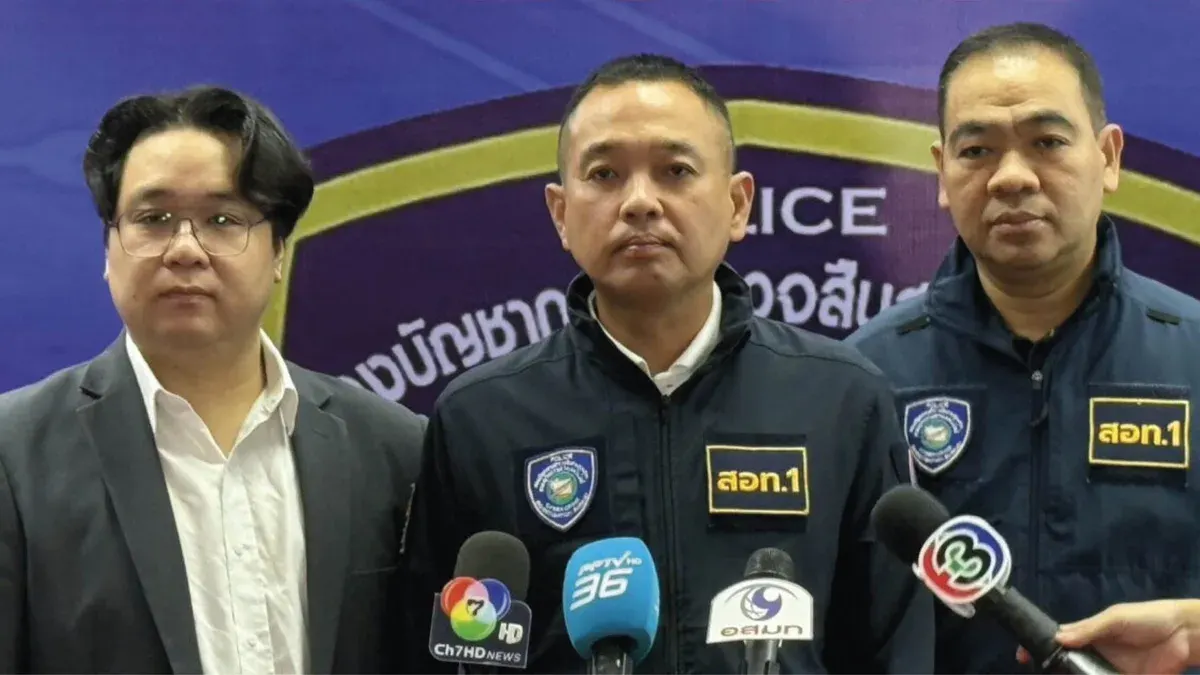
A critical test of the government's true commitment to anti-corruption emerges from recent public data breaches. Although labeled as state information, the exposed data—including vehicle registrations, ID photos, birth dates from the Department of Land Transport, and health records from the Public Health Ministry—constitutes personal information that the government is obliged to safeguard.
While such data breaches may seem innocuous on the surface with no immediate financial transaction losses, the potential harm becomes clear under closer scrutiny: if leaked data falls into the hands of scammers or fraud rings, they can easily manipulate victims into revealing additional sensitive information or gain access to mobile banking credentials, causing incalculable damage.
News reports document cases of people defrauded of entire savings, falling into debt, and even resorting to suicide, leaving families devastated. If the government genuinely viewed this as a problem, it would enforce strict data protection protocols. Instead, the opposite has occurred: leaked information did not result from system hacking but from careless password management—as if builders erected strong walls but left the keys scattered outside.
When private citizens point out these security flaws, some government agencies refuse to review and fix the breaches. Instead, they deny any leaks occurred and threaten to prosecute the whistleblowers. A mature, transparent response would be to praise such disclosures, invite the informant to consult, and seal the vulnerabilities immediately.
This mirrors the parliamentary salary scandal exposed by Yingluck Shinawatra's aide Anachon, which revealed opaque selection processes and political favoritism in deputy appointments. The government should have thanked the whistleblower, preserved the evidence, requested details, and urgently corrected the misconduct. Instead, government figures not only failed to protect the exposer but proceeded to sue.
Government members should acknowledge that no corruption was involved, stand united against wrongdoing, and support pursuing the matter through the Supreme Court and the DSI for genuine justice. Yet actions speak louder than words. Without decisive, transparent action, observers rightly question the government's sincerity in building integrity and transparency in society.