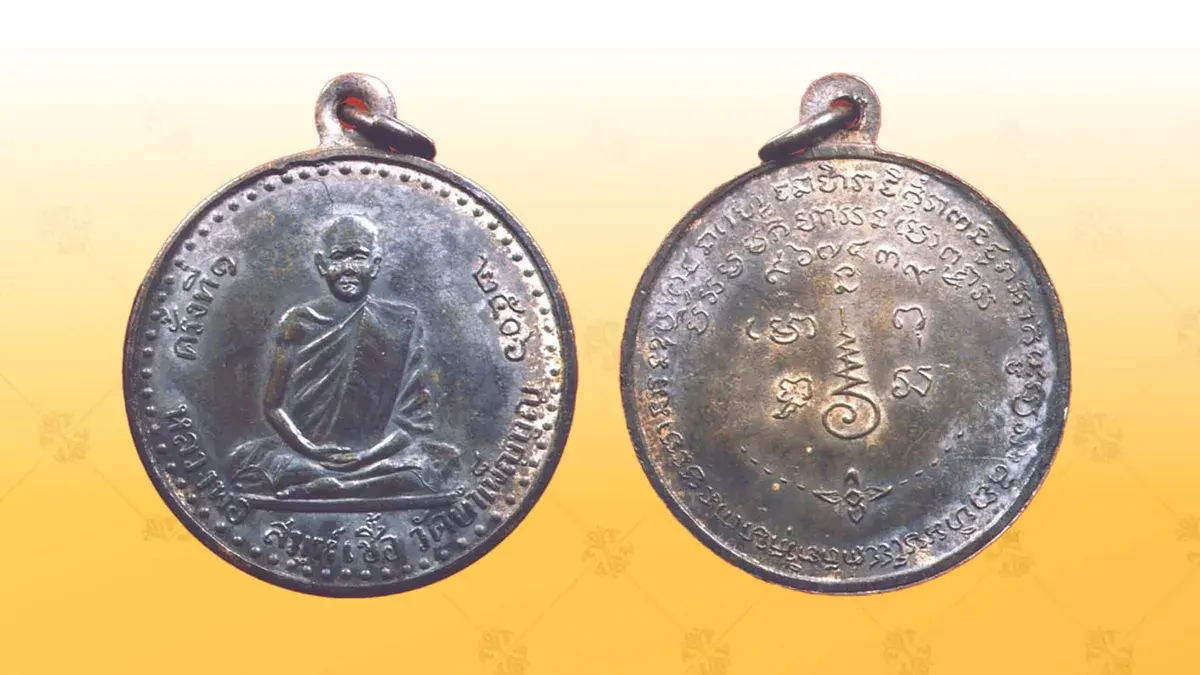
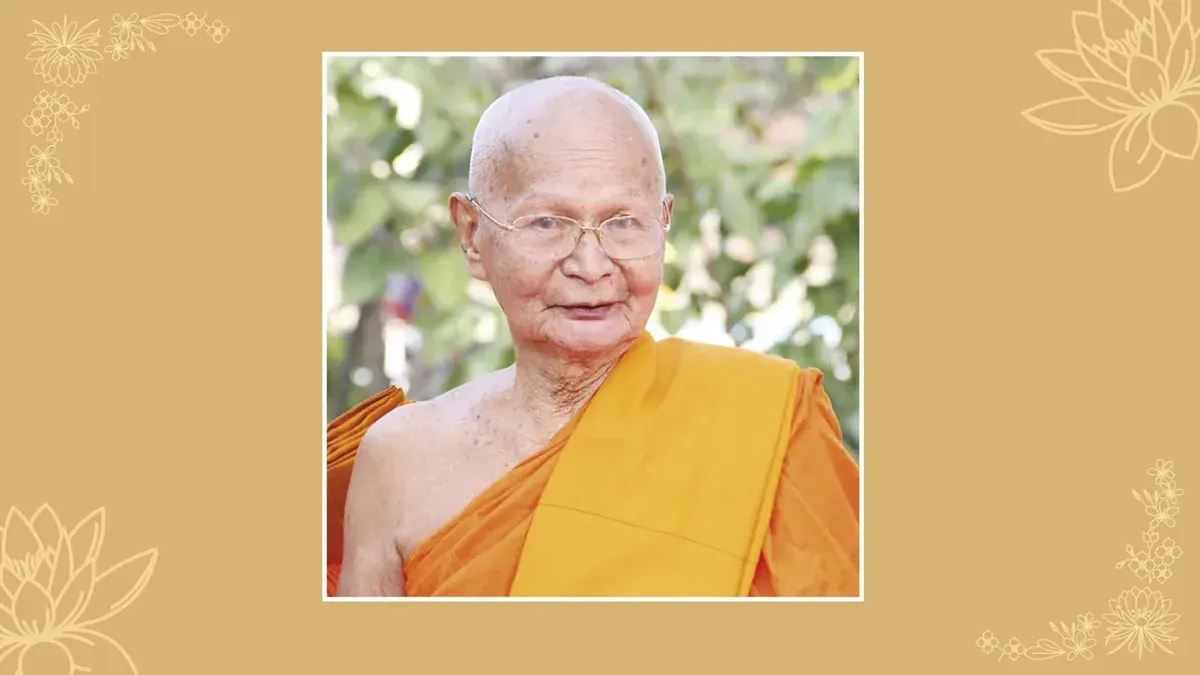
Revered Thai monks created iconic amulets blessed with spiritual power, including rare first-edition copper coins from the 1960s–80s that have become highly sought collector's items due to their scarcity and spiritual significance.
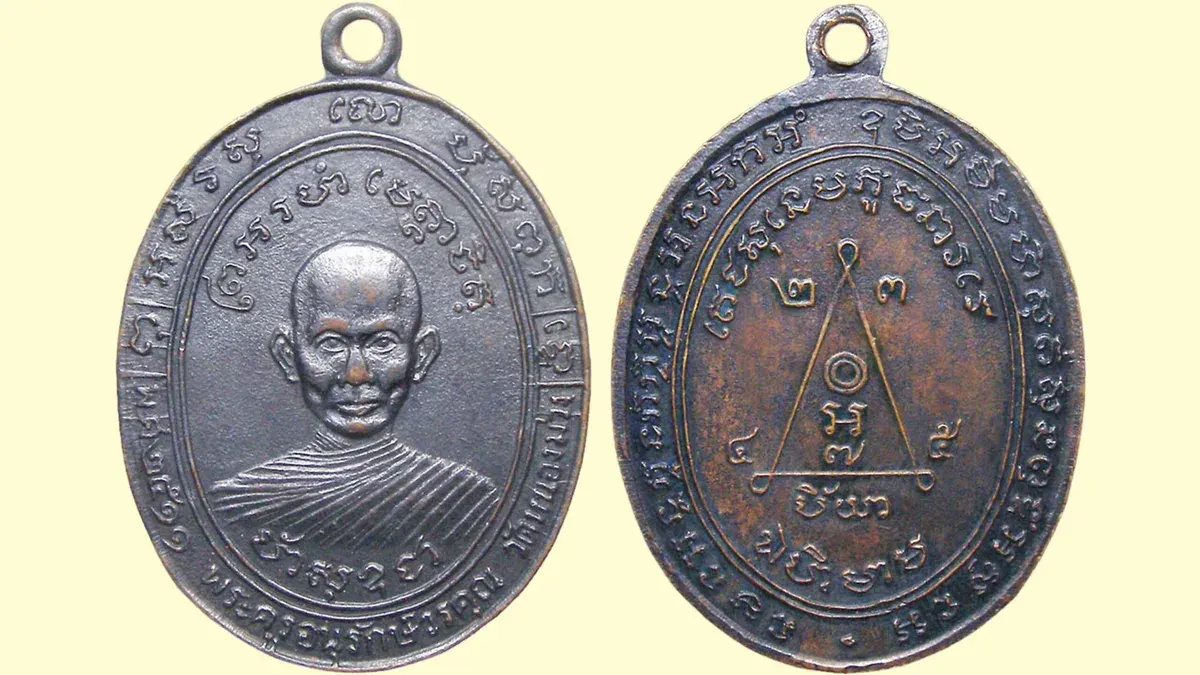
"The inner struggle is to overcome your own mind and endure all emotions," according to Luang Pho Cha Suphatto of Wat Nong Pa Phong in Ubon Ratchathani. Luang Pho Song Anupuppo, a highly respected monk at Wat Nong Muang in Bang Pae district, Ratchaburi province, became famous for creating distinctive amulets, most notably his first-edition coin amulets from 1968. These oval-shaped copper amulets with loop attachments were cast in a single piece and blessed by the monk himself. Originally produced without date markings, later batches were modified with the year 1968 engraved on the reverse, making the undated versions exceptionally scarce. The obverse features a half-figure portrait with inscription below reading "B.E. 2511, Phra Kru Anurak Vorakun, Wat Nong Muang," bordered by Thai script. The reverse displays the monk's personal yantra symbol, making these amulets highly sought-after collector's pieces.
Luang Pu Bua Thamako, formally known as Phra Kru Sangkhakij Buriphon, was the abbot of Wat Sri Buripharam in Wang Krachae, Trat province, and became a renowned spiritual teacher throughout the region. His most popular amulet was a portrait coin created in 1981 to commemorate the temple's boundary consecration ceremony. The copper amulet was pre-cast in 1980 by his disciples with permission. Featuring an oval shape with a loop attachment, the obverse displays a half-figure portrait with the inscription "Commemorative Amulet for Wat Sri Buripharam's Boundary Consecration, Trat" above and "Phra Kru Sangkhakij Buriphon" below. The reverse bears a central yantra symbol with the year 1980 inscribed beneath, and these first-edition coins have grown increasingly rare.
Another significant ancient amulet is the "Phra Phuttha Trairatna Nayok" coin from Wat Phananchoeang in Ayutthaya province. Cast in copper with silver, gold, or blackened finishes, these arm-shaped amulets feature raised borders and wire-like edging. The obverse depicts the central Buddha figure in Mara-victory posture seated on an elevated throne, flanked by standing disciples Phra Mokkallana and Phra Sariputta. Thai script above reads "Phra Phuttha Trairatna Nayok." The reverse displays a "Yantra 3" symbol containing four Khmer characters reading "I Swa Su I," representing the essence of the Triple Gem. Thai script curved around the yantra reads "Wat Phananchoeang, Ancient City," with four Chinese characters at the base. These amulets remain popular collector's items.
Luang Pho Pao Buddhaisaro of Wat Tham Tao Ko in Khao Samor Khon, Tha Wung district, Lopburi province, was a revered local teacher who rarely commissioned amulets. Only two editions exist, both highly collectible, particularly the second edition with clearer historical documentation. The first edition, created in 1927 to commemorate temple restoration donors and boundary consecration, features a stupa form with connecting loops. The obverse displays a portrait with Thai script below reading "Phra Phuttha Saracharn Pao, Wat Tham Tao Ko." The reverse bears a square yantra surrounded by Thai script stating "In commemoration of the temple restoration and boundary consecration," with the production year 1927 at the bottom. These amulets are highly valued and rare in the region.