GULF Volunteers Collect 1.4 Tonnes of Loy Krathong Waste for Recycling
GULF Energy Development partnered with Wat Chak Daeng to clean 1.4 tonnes of Loy Krathong festival waste from the Chao Phraya River in Samut Prakan. Over 60 volunteers collected and sorted krathong debris, which the temple will compost into bio-fertilizer and upcycle plastics into products like monk robes and blankets. The initiative extends GULF's 'Our Bottles' circular economy project, aiming to raise public awareness about environmentally responsible festival practices.
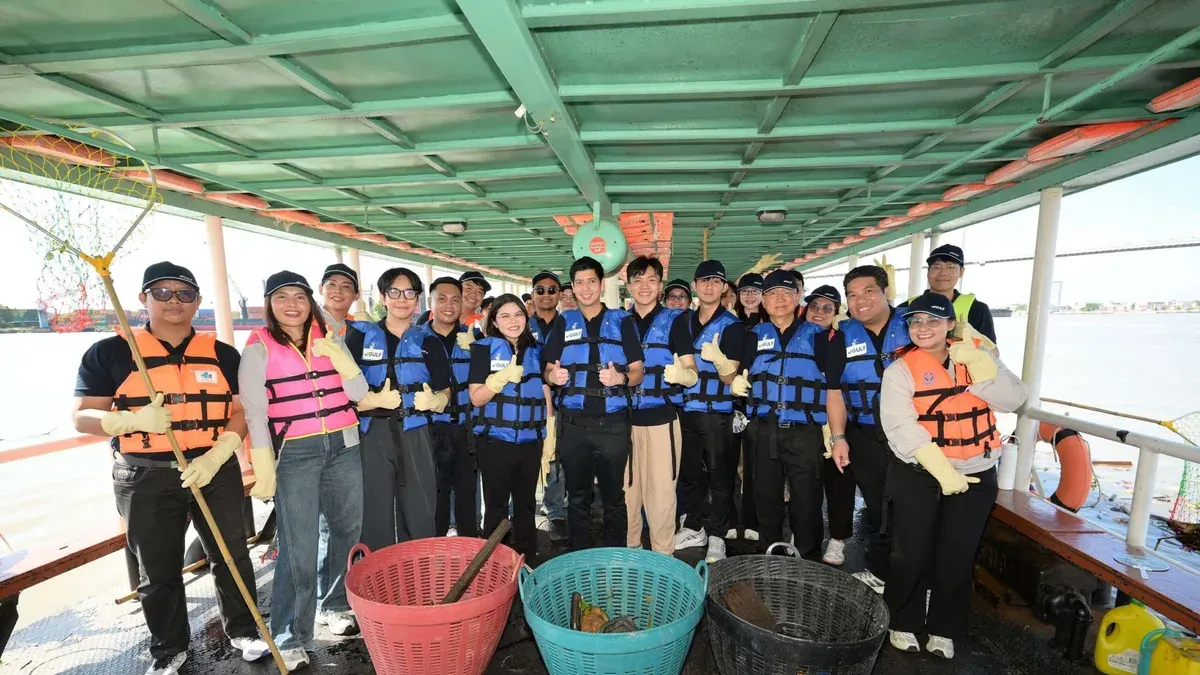
Gulf Energy Development (GULF) extended its internal waste management practices to benefit society by partnering with Wat Chak Daeng to organize the 'Follow the Krathong Trail' activity. The event mobilized a team of GULF volunteers to clean and restore the Chao Phraya River ecosystem after the Loy Krathong festival at Bang Krachao, Phra Pradaeng District, Samut Prakan Province on November 25, 2026. Wat Chak Daeng took the 1.4 tonnes of waste collected by GULF volunteers and other agencies and managed it by type: composting organic waste from banana stalks and flowers into bio-fertilizer for agriculture, recycling and upcycling plastics and clear plastic bottles into new products such as monk robes, blankets, clothing, and items made from plastic bottle fibers — all in line with circular economy principles. This helps reduce water pollution while generating community economic value.
Sitthimon Rattanawadee, GULF's Director of Corporate Social Responsibility, said after leading more than 60 volunteers from the Bangkok headquarters and eastern-region power plants: "Although Loy Krathong is a beautiful Thai tradition, we cannot deny that water sources face waste problems after the festival night. Managing krathong in waterways quickly prevents them from becoming water pollution and reduces environmental impact, especially in important ecosystems like the Chao Phraya River and the Bang Krachao wetlands connecting to the Gulf of Thailand.
"My team and I are determined to proactively tackle waste by collecting and sorting krathong debris on-site, then handing it to Wat Chak Daeng for proper management to maximize reuse or upcycling into value-added products. This reduces landfill waste and prevents trash from leaking into the river as pollutants, while circulating income back to local communities.
"What we want to see is not just a cleaner river after the event, but society realizing everyone can reduce environmental impact during Loy Krathong — from choosing eco-friendly krathong materials, to proper disposal, to correct waste sorting and forwarding. This cooperation shows every sector can play a role in caring for nature and passing on a better environment together."
In this event, GULF volunteers and partner agencies collected and sorted 1.4 tonnes of waste from the Chao Phraya River before handing it to Wat Chak Daeng for further processing by waste type. Organic waste from banana stalks and flowers will be composted into bio-fertilizer for farming, while plastics and clear PET bottles will be processed and upcycled into new products such as monk robes, blankets, clothing, and items made from plastic bottle fibers.
The 'Follow the Krathong Trail' activity builds on GULF's 'Our Bottles' project, now in its second year, which encourages employees at headquarters and GULF power plants to separate PET plastic bottles for recycling or upcycling under circular economy principles. To date, GULF has collected 1,183 kilograms of PET bottles and delivered them to Wat Chak Daeng for value-added processing, reducing greenhouse gas emissions by 2.48 tonnes of carbon dioxide equivalent. This event extends employee participation from internal waste separation to hands-on learning and real-world waste management, bringing knowledge and experience to benefit wider society.