Agriculture Ministry Accelerates Big Data Integration for Farmer Aid
Thailand's Agriculture Ministry is accelerating Big Data integration through the MOAC Data Center with a fiscal year 2027 deadline, aiming to create a unified database for policy decisions and farmer services. The ministry also reported progress on 1,000-baht-per-rai rice farmer payments, with 37.6 billion baht already distributed to 4.62 million households, while coordinating flood relief for 1.39 million farming households across 59 provinces and advancing agricultural sandbox projects for rice and cassava.
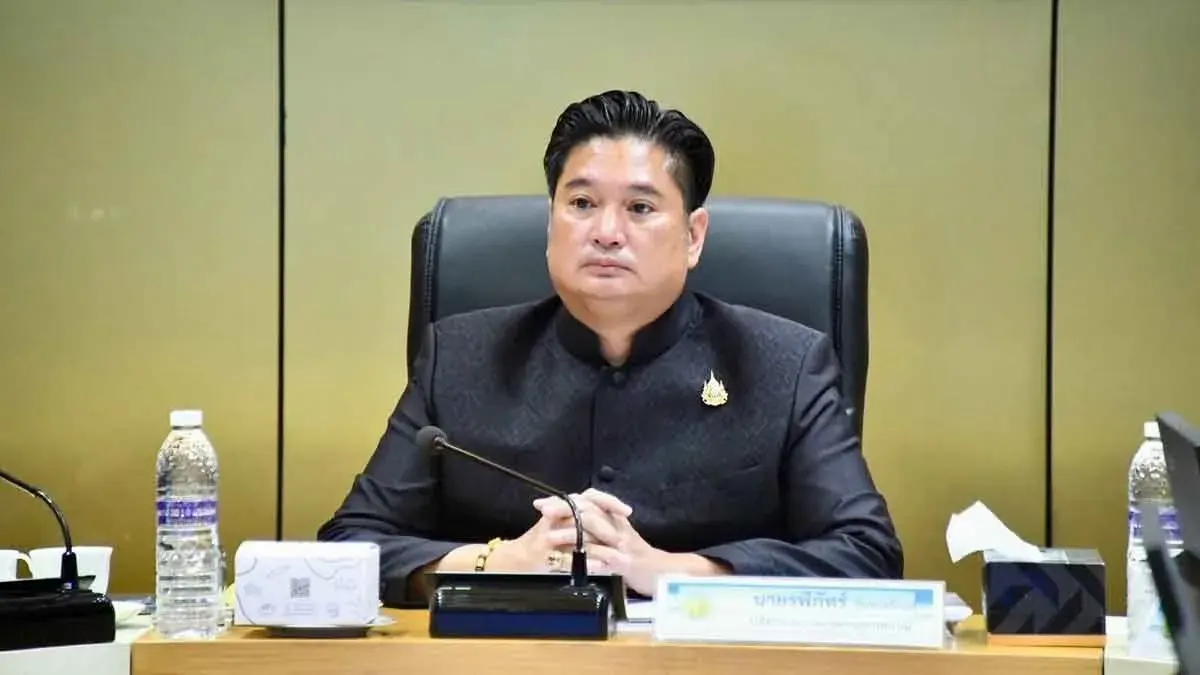
Permanent Secretary of Agriculture Raphiphat Chantasriwong chaired the Ministry's second executive meeting of fiscal year 2026, focusing on key initiatives by accelerating shared Big Data use through the MOAC Data Center. He ordered all agencies to connect datasets, data standards, and API systems by fiscal year 2027 to serve as a central database for analysis and policymaking. The Ministry also plans to develop the MOAC App as a unified service channel and prepare a central agricultural AI system.
The meeting monitored the 1,000-baht-per-rai rice farmer assistance for the 2025/26 production year. BAAC approved reserve funds for outstanding payments and, as of November 11, 2026, successfully transferred 37.6 billion baht to 4.62 million households, with 239 cases pending due to account issues. Guidelines for the 2026/27 production year will be discussed at the National Rice Policy Committee.
On flood disasters, the Ministry reported impacts since July 28, 2026 across 59 provinces, affecting crops in 58 provinces, fisheries in 48, and livestock in 39. Relief efforts are accelerating across cash aid, production inputs, animal feed, and area and livelihood restoration, with additional measures prepared for farmers affected between July 28 and November 8, covering 1.39 million target households.
For agricultural burning in the 2026/27 season, the Ministry is preparing reduction measures paired with monitoring and alerts, plus a ministerial announcement on prevention and suppression of burning in agricultural areas, with enforcement timelines to align with provincial measures.
On agricultural sandboxes, the Ministry is advancing both rice and cassava. Rice will adopt smart farming technology to boost efficiency, cut costs, and raise quality. Cassava efforts target mosaic disease through resistant variety distribution and a stem bank system, plus precision farming pilot plots using drip irrigation, solar power, bio-products, and traceability systems, aiming to expand to a Food Security Sandbox in 2028.
The meeting also addressed cadmium contamination in the Kok River basin and related areas, rushing crop sampling for verification and preparing a risk surveillance center for cadmium and heavy metals to ensure food safety and continuous public reporting.
The meeting approved the Ministry's OKR targets and key results for fiscal year 2027 and prepared the 2028 budget, driven by cost reduction, productivity gains, and quality upgrades, while tracking farm-gate prices and net farmer income to ensure budget spending reflects real outcomes for farmers.