Thailand, Myanmar Launch First Joint Water Quality Talks
Thailand and Myanmar held their first joint working group meeting on transboundary water quality management in Bangkok, establishing a framework to monitor border rivers and address cross-border pollution. The two nations agreed on joint water sampling points on the Kok and Sai Rivers, with the first round of testing planned for December 2026, and committed to sharing data at least twice yearly. Officials emphasized the cooperation aims to protect public health and build a formal mechanism for ongoing environmental coordination.
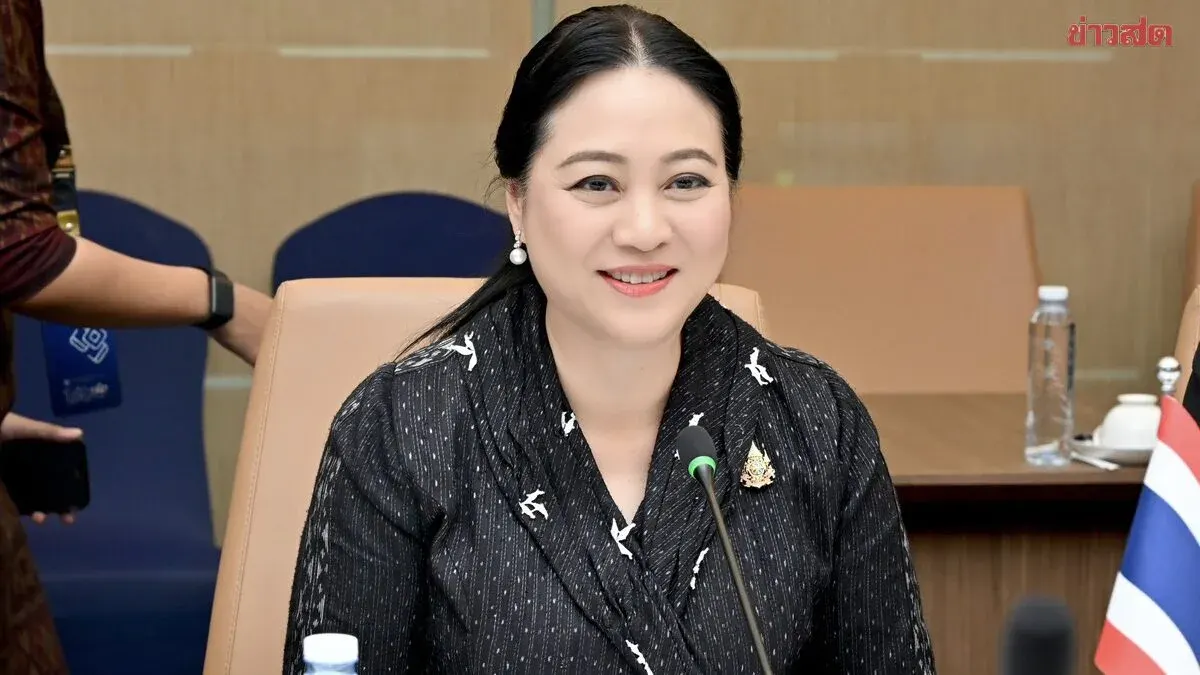
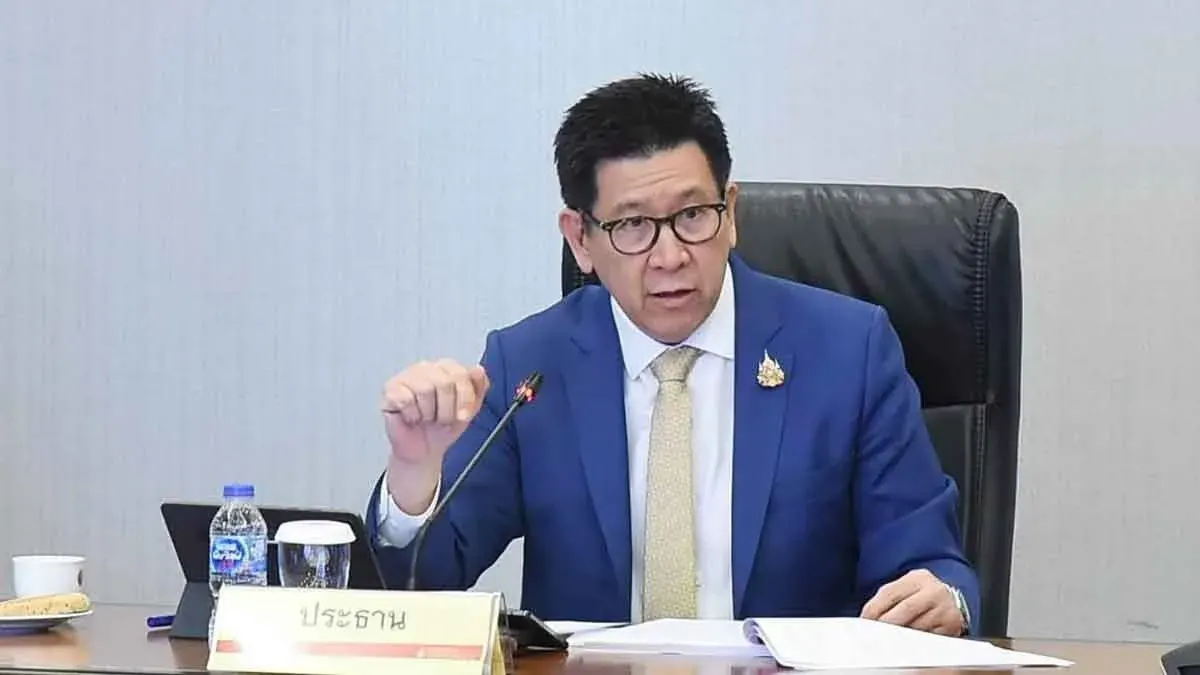
Thailand and Myanmar convened their first Joint Working Group (JWG) meeting on transboundary water quality management in border rivers and transboundary waterways on November 25, 2026, at the Ministry of Foreign Affairs in Bangkok. The meeting was co-chaired by Dr. Rawiwan Phuridech, Permanent Secretary of Thailand's Ministry of Natural Resources and Environment, and Hla Maung Thein, Permanent Secretary of Myanmar's Ministry of Natural Resources and Environmental Conservation, with representatives from relevant agencies of both nations. The session aimed to establish cooperation guidelines for systematic water quality monitoring and cross-border pollution management, prioritizing the health and safety of citizens in both countries.
Following the meeting at 1:30 PM, Dr. Rawiwan Phuridech, alongside Mr. Chayarn Muangsong, Secretary-General of the Office of National Water Resources; Mr. Chuchip Phongchai, Governor of Chiang Rai; Mr. Surin Warakijthamrong, Director-General of the Pollution Control Department; and Mr. Aditat Wasinont, Director-General of the Department of Primary Industries and Mines, briefed the media. They disclosed that the meeting operates under the Terms of Reference (TOR) signed by both countries on August 6, 2026, covering five cooperation areas: 1) water quality monitoring, 2) pollution source inspection and investigation, 3) risk assessment and early warning system development, 4) public health impact assessment and capacity building, and 5) policy coordination.
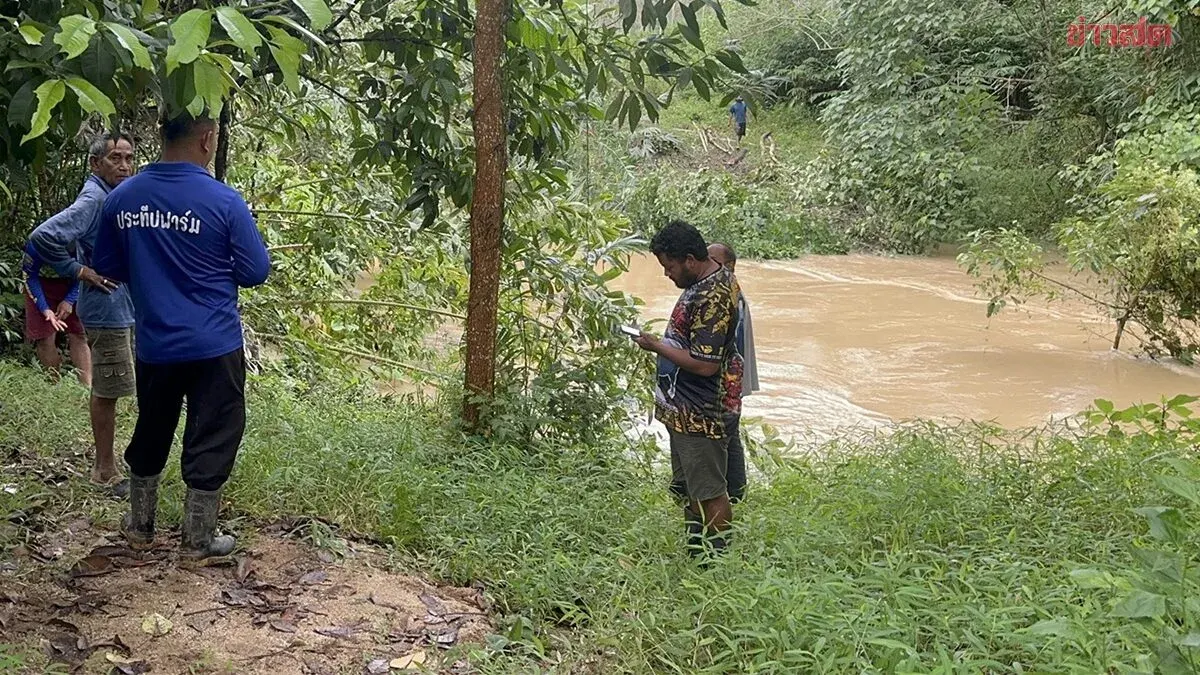
During the meeting, both sides exchanged water quality data and national operational plans, and agreed on an initial one-year work plan emphasizing water quality monitoring and public health impact assessment as top priorities. They designated joint sampling points — four each on the Kok River and two each on the Sai River — with the first joint sampling scheduled for December 2026 to January 2027, pending coordination readiness. Both nations also agreed that designated agencies will exchange water quality test results at least twice a year for continuous situation tracking and joint remediation planning. Discussions included expanding monitoring to river sediments, bioaccumulation in aquatic life, agricultural soil, and crops, as well as related health issues.
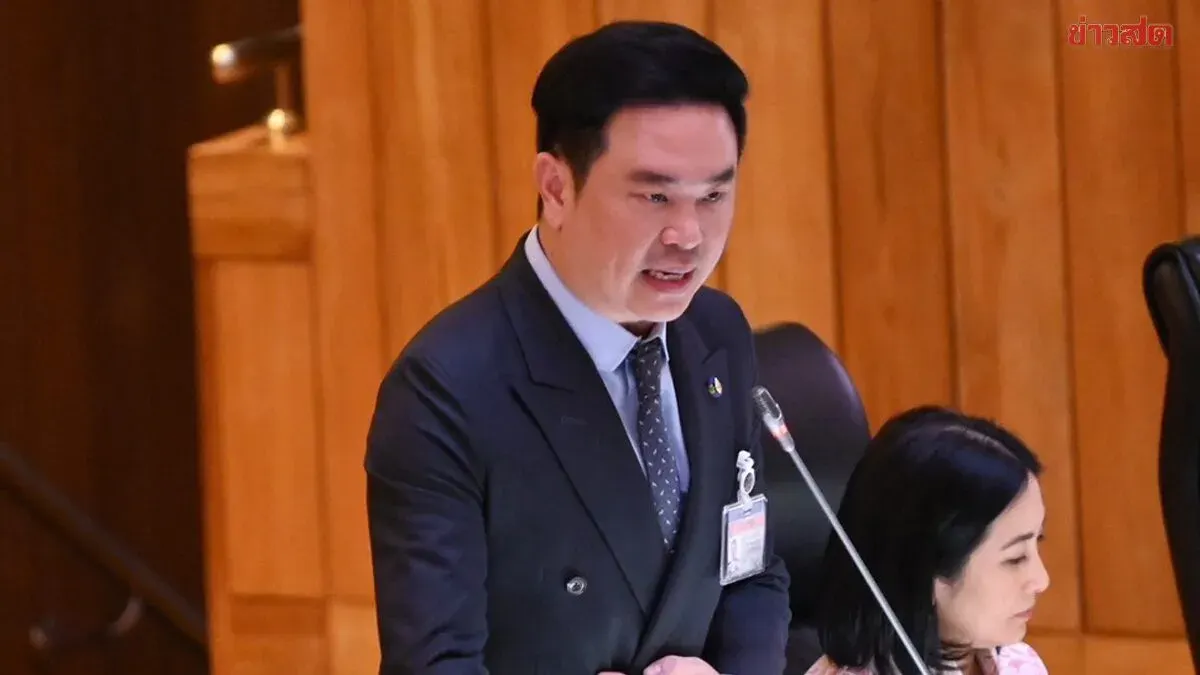
Dr. Rawiwan stated that resolving cross-border pollution is a complex, sensitive issue requiring cooperation from all sectors, both domestic inter-agency coordination and international negotiation, to achieve tangible results. She called the meeting a crucial step in building a formal cooperation mechanism between Thailand and Myanmar, enabling continuous information exchange, situation monitoring, and joint action planning. On Thailand's side, the government under Prime Minister and Interior Minister Anutin Charnvirakul, and Natural Resources and Environment Minister Supachai Chomklan, prioritizes caring for affected communities alongside pollution resolution.