Thailand, Myanmar Strengthen Cooperation on Cross-Border Water Pollution
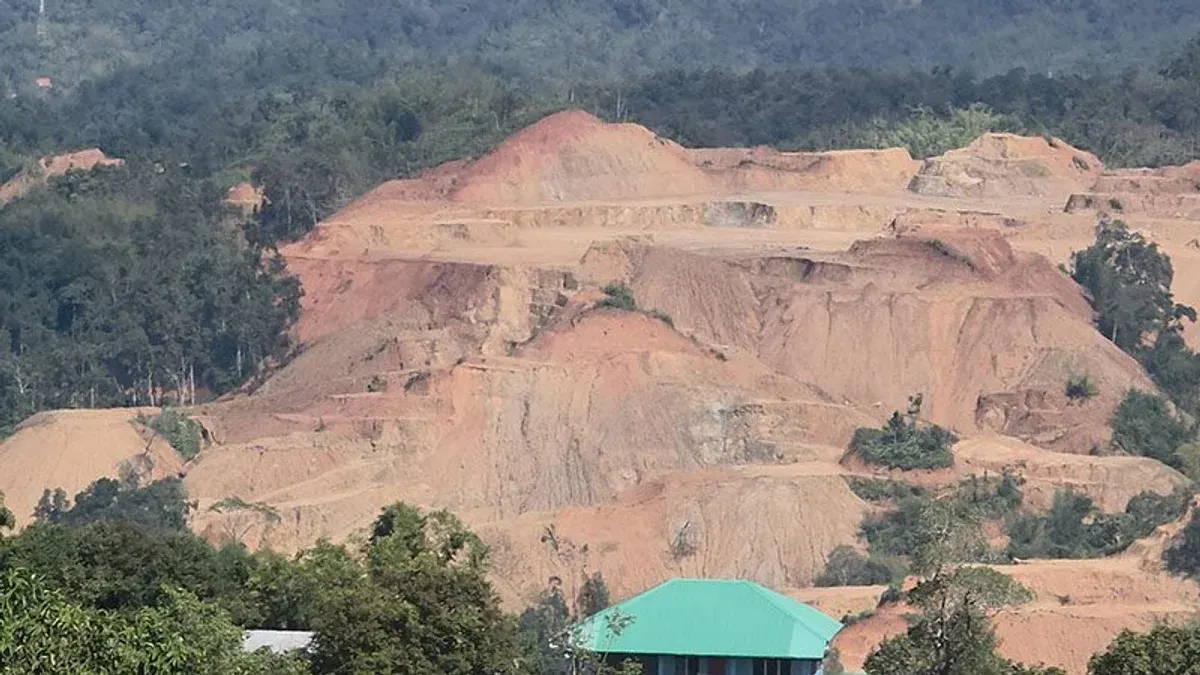
Thailand and Myanmar held high-level talks to strengthen cooperation on cross-border water pollution, agreeing to expand joint monitoring on the Mekong and Salween rivers and standardize testing parameters. Deputy prime ministers and environment ministers from both nations, with Chinese involvement, pledged urgent, continuous action and planned field visits to affected border areas like Chiang Rai. A technical workshop will develop concrete short- and long-term action plans for pollution reduction.
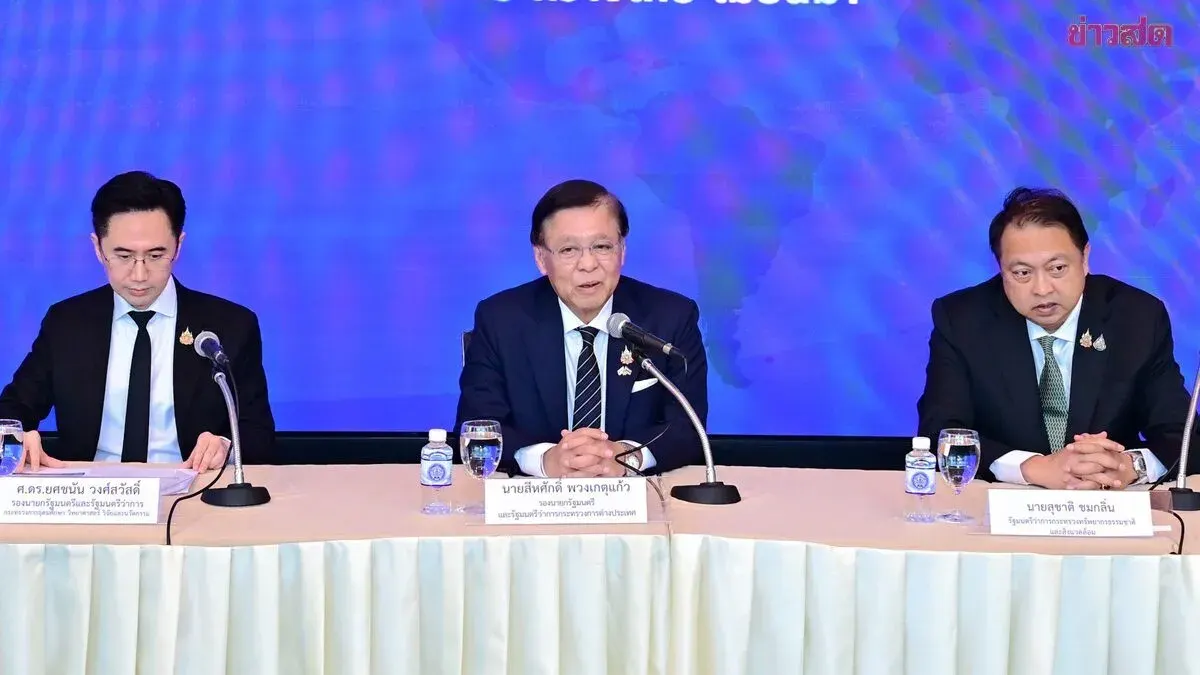
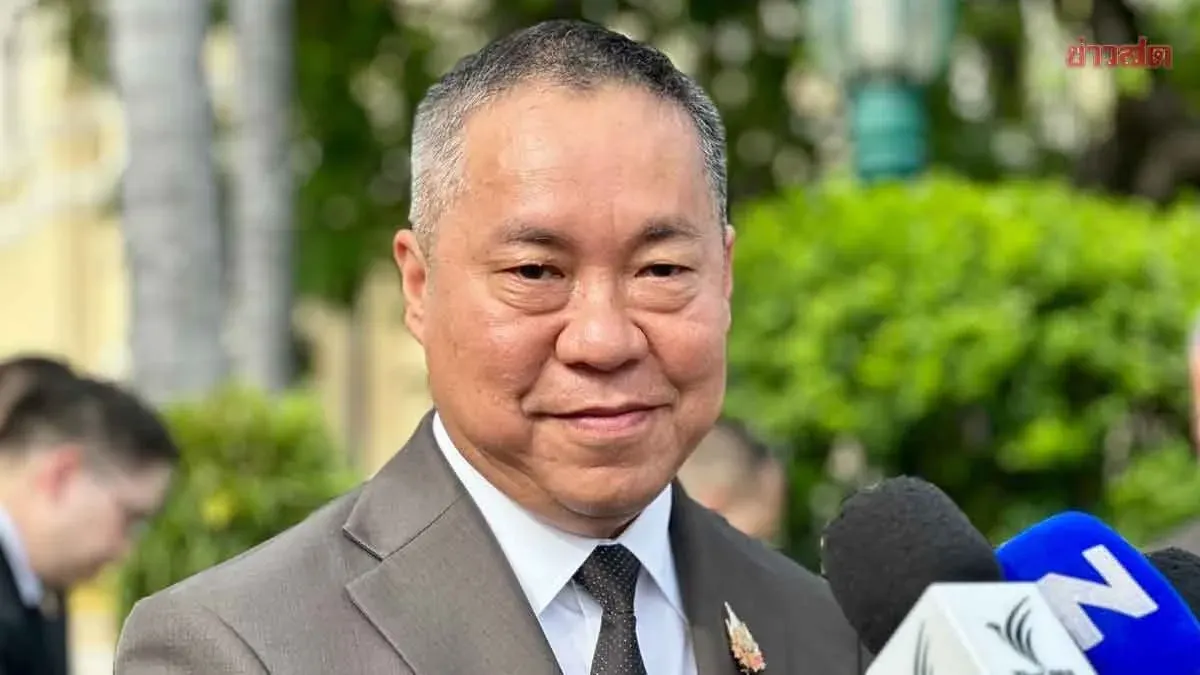
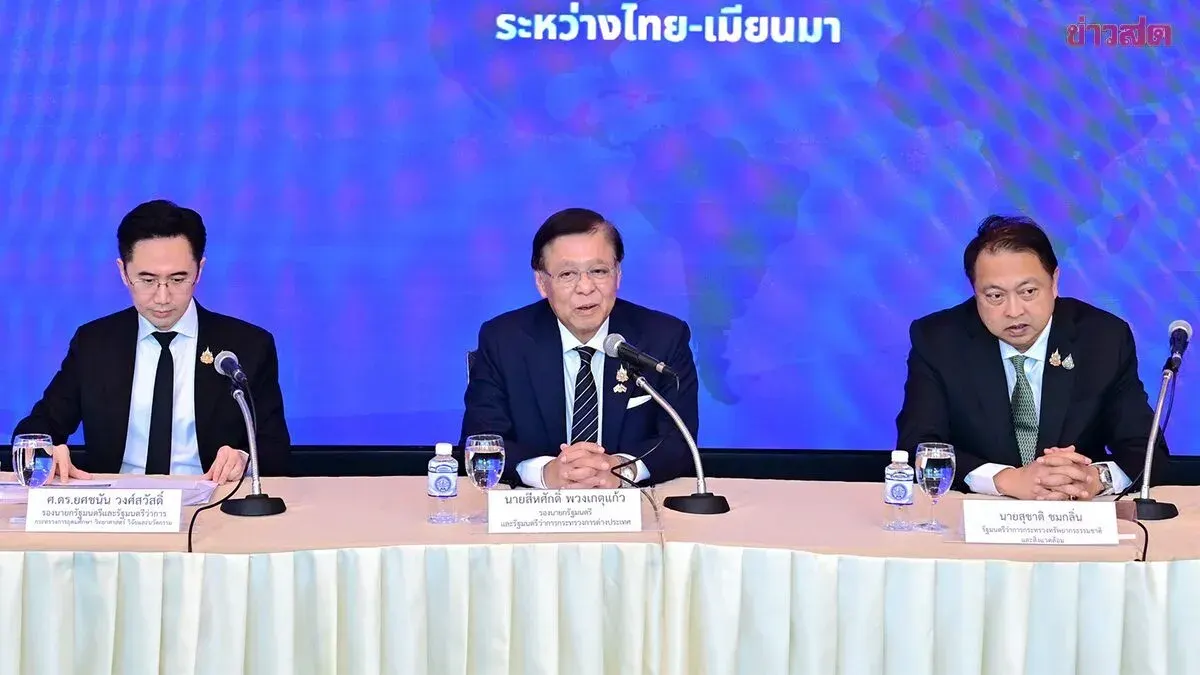
Thailand and Myanmar are strengthening cooperation to address cross-border water pollution and enhance water quality monitoring to protect public health and safety. At 1:30 PM on November 24, 2026, Natural Resources and Environment Minister Supat Chumklang, along with Permanent Secretary Dr. Rawiwan Phuridech and agency executives, welcomed Myanmar's Deputy Minister of Natural Resources and Environmental Conservation Hla Maung Thein and his delegation. The visit aims to discuss and exchange approaches for preventing and resolving toxic contamination in cross-border water sources. Deputy Prime Minister and Foreign Minister Sihasak Phuangketkeow and Deputy Prime Minister and Minister of Higher Education, Science, Research and Innovation Professor Dr. Yoschanan Wongsawat also participated in the welcome and talks at the Foreign Ministry's Conference Room 3, ahead of the first Joint Working Group on Water Quality Management in Boundary and Transboundary Rivers (JWG) meeting scheduled for November 25-26, 2026, in Bangkok.
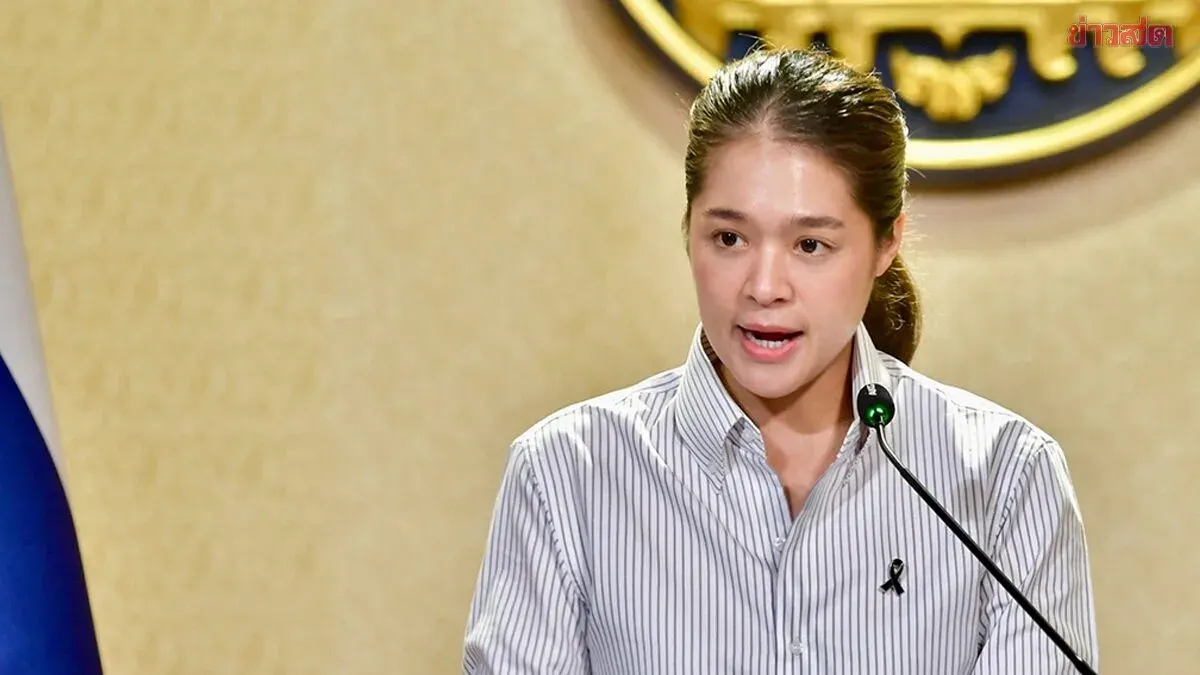
Following the talks, Deputy Prime Minister Sihasak, Minister Supat, and Deputy Prime Minister Professor Dr. Yoschanan held a joint press conference on the outcomes and cooperation framework. Both sides, including China, acknowledged the urgent need to accelerate solutions for water pollution and pledged support for operations, emphasizing genuine and continuous cooperation. They expressed joint commitment not to support illegal activities and to address root causes through integrated cooperation from upstream to downstream, involving experts and agencies from all sectors. The government also plans field visits to Chiang Rai province to monitor the situation, understand impacts, and discuss joint operational approaches, aiming for international talks to yield concrete action plans.
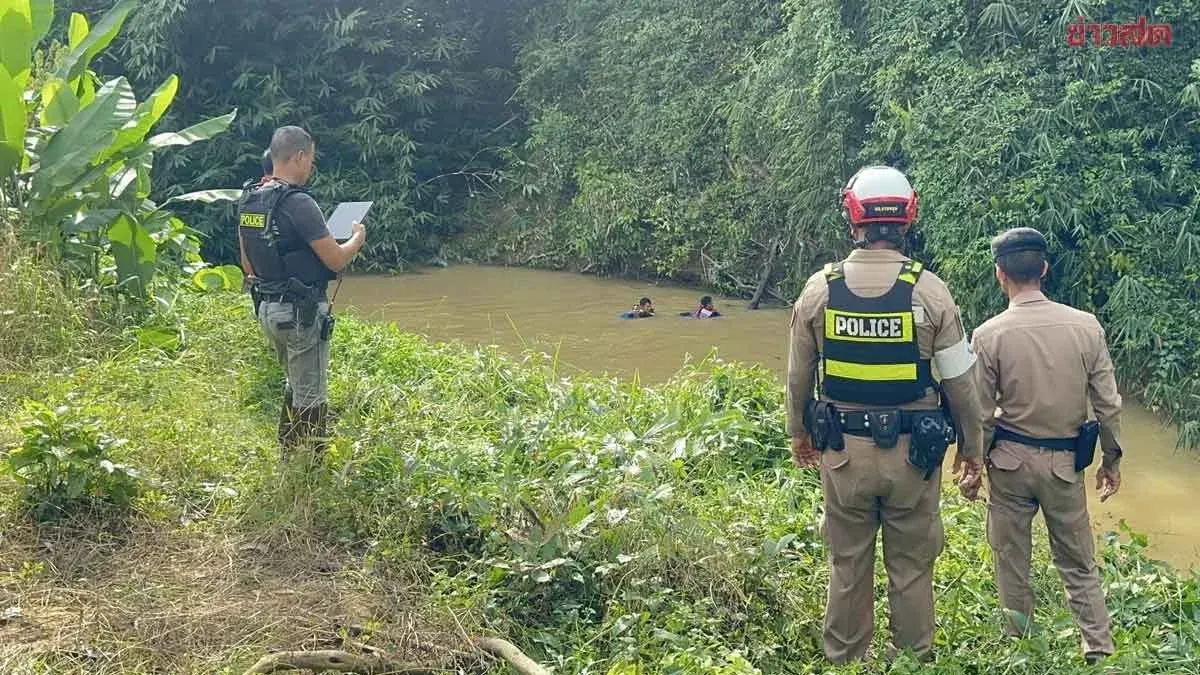
Key JWG agenda items include expanding monitoring stations and tracking water quality in the Mekong and Salween rivers on both Thai and Myanmar sides, covering upstream, midstream, and downstream areas. Both countries will align water quality parameters and measurement methods so analytical results can be effectively compared and shared. The meeting also pushes for high-level executives from both nations to jointly visit affected areas and develop a joint action plan for reducing and eliminating water pollution with clear, continuous measures. Additionally, a 50-person technical workshop between Thai and Myanmar officials will formulate short- and long-term joint action plans. Minister Supat has expedited domestic measures alongside international coordination.