Thailand Urges Myanmar to Shut Mines to Curb Cross-Border Pollution
Thailand, Myanmar, and China have agreed to cooperate on stopping toxic mine pollution in cross-border rivers. Thai ministers urged a six-month shutdown of mines in Myanmar's Shan State and secured Chinese backing to verify mining standards. Joint water-quality talks are set for 25–26 November, while Thailand continues domestic mitigation measures.
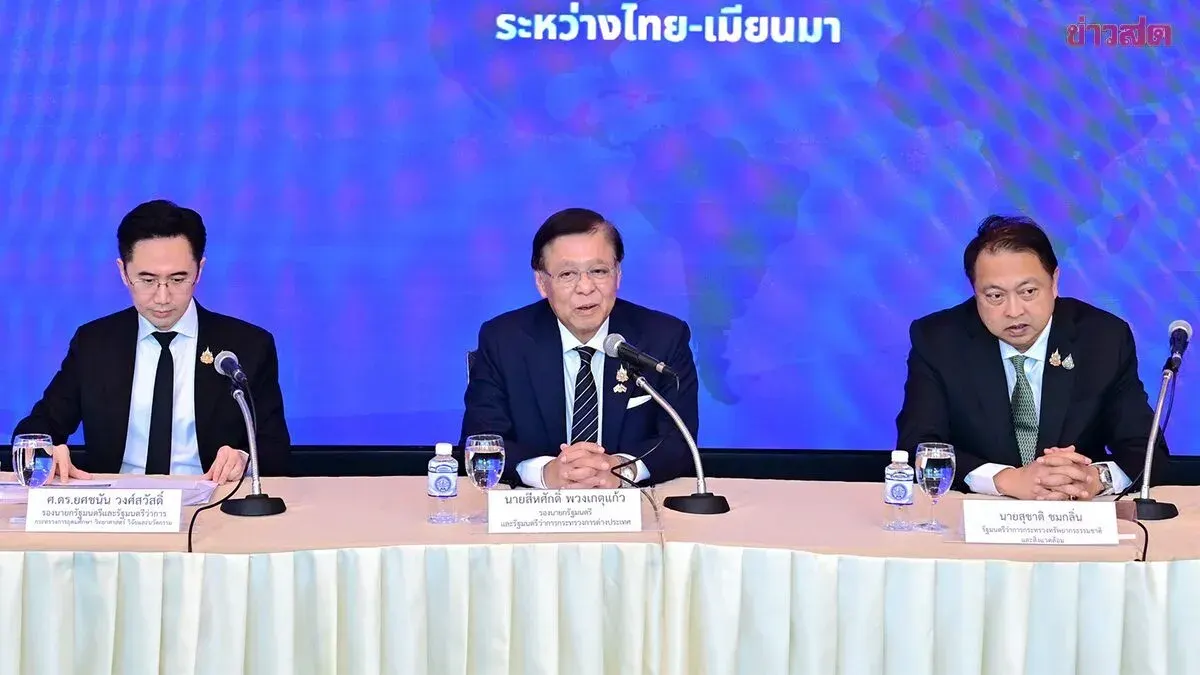
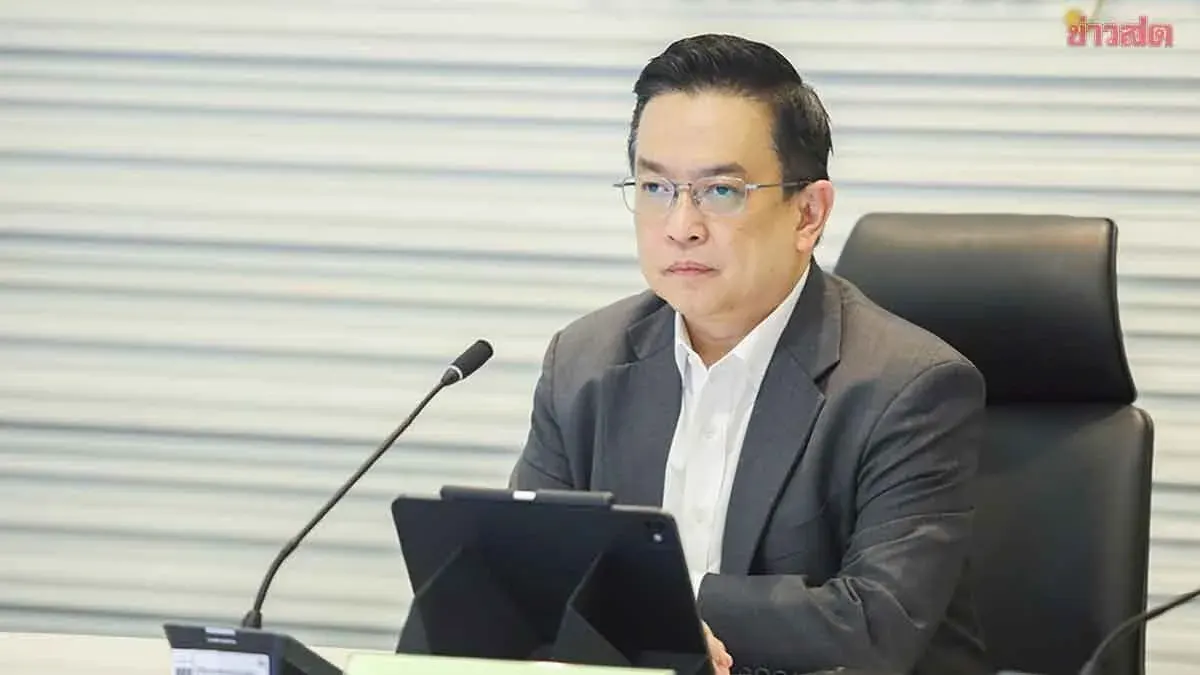
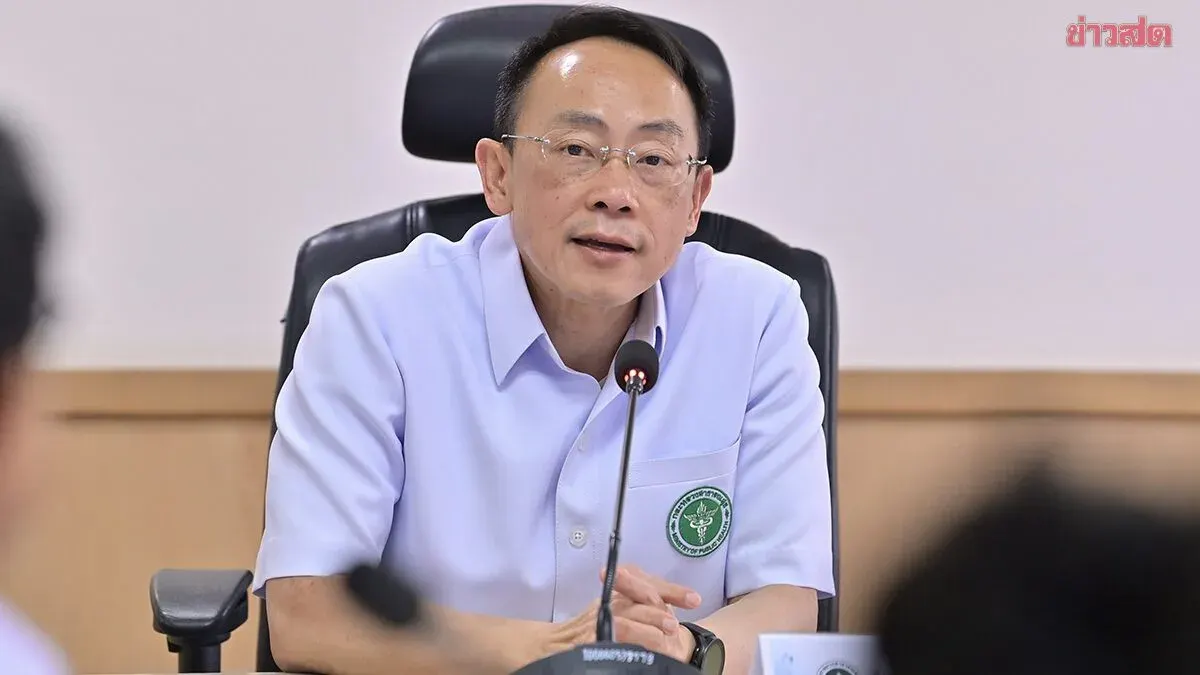
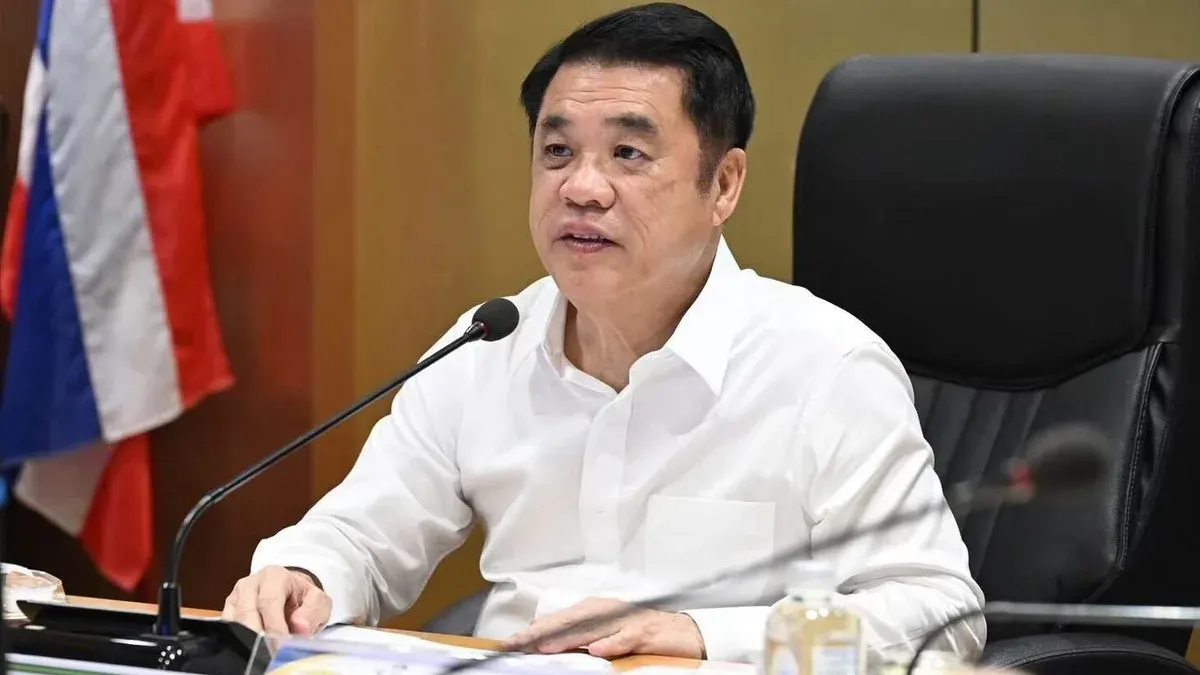
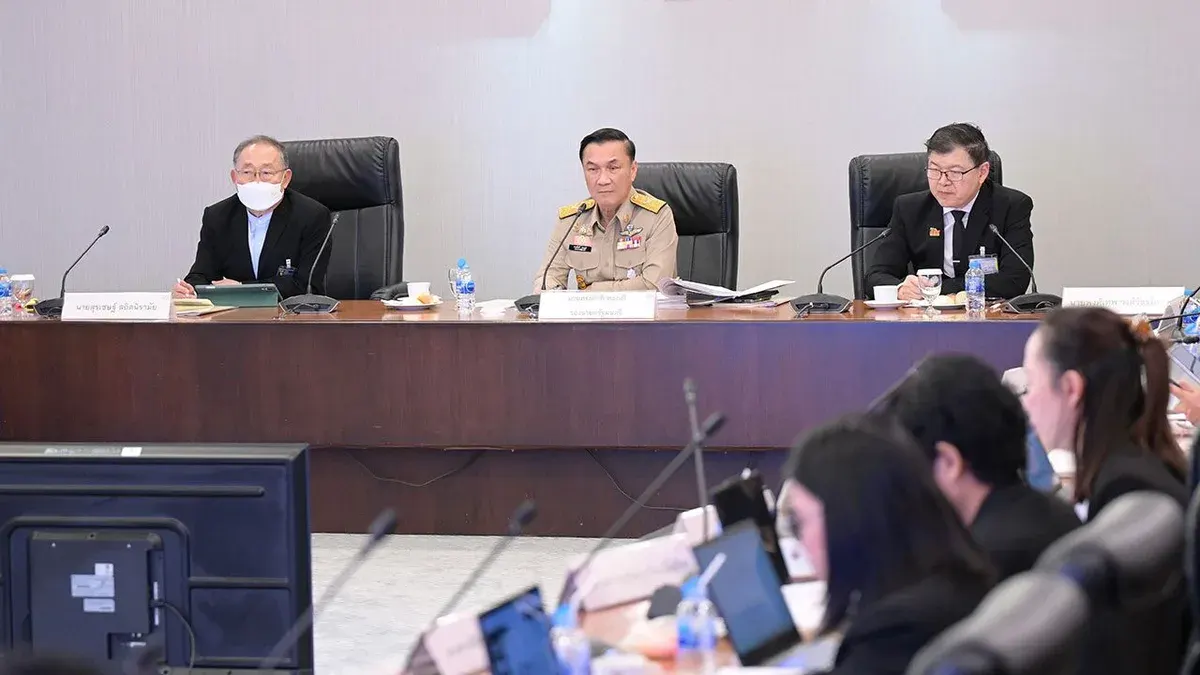
On 24 November 2026, at the Ministry of Foreign Affairs, Deputy Prime Minister and Foreign Minister Sihasak Phuangketkeow, Deputy Prime Minister and Minister of Higher Education, Science, Research and Innovation Professor Dr. Yossana Wongwattana, and Minister of Natural Resources and Environment Supat Chamgarn welcomed Myanmar's Deputy Minister of Natural Resources and Environmental Conservation U Hla Maung Thein, the Myanmar Ambassador to Thailand, and representatives from Shan State. China's Ambassador to Thailand, Chen Hai, also attended to discuss cooperation on preventing and resolving toxic contamination in transboundary water sources.
The meeting preceded the first session of the Joint Working Group on Water Quality Management in Boundary and Transboundary Rivers between Thailand and Myanmar, scheduled for 25–26 November 2026.
After the talks, the three Thai ministers announced the outcomes. Sihasak stated the pollution issue affects both Thailand and Myanmar and requires joint cooperation, noting that leaders of all three countries have shown clear commitment, including during Myanmar's leadership visit to Thailand and talks between Prime Minister Anutin Charnvirakul and Chinese President Xi Jinping, where China pledged full support as the driver of the Lancang-Mekong Cooperation framework.
Sihasak added that China acknowledged the involvement of Chinese private companies in mining in Shan State and affirmed it would not support any illegal or harmful activities. To underscore the importance, the Chinese Ambassador, experts from Yunnan Province, and Shan State representatives attended in person, a positive sign ahead of the formal working group meeting.
Professor Dr. Yossana emphasized that contaminants originate from mines in Shan State, so the problem must be addressed at the source through talks with Myanmar and China. He noted Myanmar has both government-controlled and private mines that are difficult to regulate, requiring Chinese cooperation to verify whether mines meet standards. China has agreed to work continuously from the source.
On the urgent timeline for tangible results, Yossana said Thailand is already taking parallel domestic actions: water quality monitoring, comprehensive contaminant scanning covering agricultural areas, community water filtration, and sediment traps, alongside international efforts.