Heat Insulation Foam Found as Fire Fuel in Bangkok Bar Blaze
Heat insulation foam sprayed above the ceiling fueled a violent fire at a Bangkok beer hall, with investigators finding the combustible material generated large volumes of gas that exploded when the ceiling fractured and released accumulate
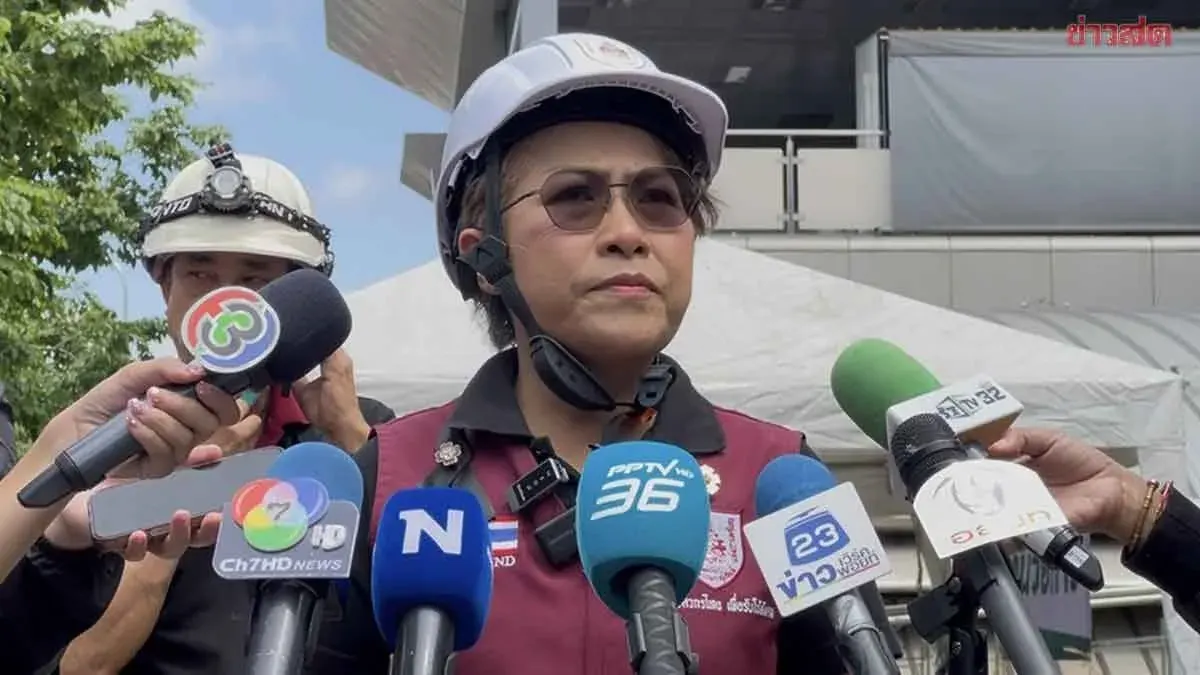
Thailand's fire-safety engineering board has identified spray-applied heat insulation foam above the ceiling as the likely primary fuel source behind the violent ignition and gas accumulation at the Ladprao beer hall fire. On July 15, Buskorn Saensuk, chair of the Fire Prevention Engineering Committee under the Engineering Institute of Thailand (AITI), inspected the site and reported findings from Monday onward, focusing on how large volumes of combustible gas were generated.
Investigators found that while the ceiling's decorative facing materials were thin, the steel-frame ceiling was topped with approximately 3 inches of spray-applied heat insulation foam covering the entire area, bearing burn marks since Monday. When forensic teams and disaster-mitigation officials opened the ceiling yesterday, they discovered high pressure from below had fractured it, revealing evidence of internal combustion from explosive pressure building underneath.
The interior space was saturated with sprayed foam insulation. The stage area burned most intensely—video footage shows heavy smoke plumes identified by witnesses as acrid combustible vapor flowing from inside. The high pressure forced flames and smoke through various breach points in the foam and ceiling. When evacuation and rear-door opening released large volumes of accumulated fuel gas into fresh air, violent combustion ensued.
Whether the foam itself is fire-resistant remains under investigation. Inspectors noted that while some areas far from the stage showed deformation from blast, the stage and bar areas showed different burn patterns: typical areas had 3 inches of sprayed foam above the ceiling, but stage and bar zones had bottom-side coating that left foam residue on top—only soot and char below. Although fire-retardant additives make foam harder to ignite at certain temperatures, foam remains combustible; if exposed to heat beyond test thresholds, it will burn. Laboratory testing is required to confirm whether fire-retardant additives were used.
Thailand's hot climate amplifies fire risk from sprayed insulation, so material selection must prioritize fire-resistant or hard-to-ignite properties available in the market, and electrical systems must be evaluated alongside materials—sealed ceilings without heat vents cause electrical degradation. Buskorn explained that in fire simulations, low ceilings with fires at ceiling level cause heat and smoke to layer and drop toward breathing height, accelerating fire spread and creating life-threatening conditions.
Buildings with high fuel loads should therefore have code-compliant smoke-venting systems capable of clearing smoke during emergencies.