HPV Vaccine Recommended for Both Genders to Prevent Multiple Cancers
HPV can infect both men and women and is linked to several cancers, including cervical, anal, vaginal, bronchial, and oral‑throat cancers. The article stresses that vaccination, recommended from age nine and especially effective for ages 9‑26, builds long‑term immunity and reduces cancer risk for all genders. It advises consulting a doctor for those aged 27‑45 or with immune‑deficiency to determine the appropriate vaccination schedule.
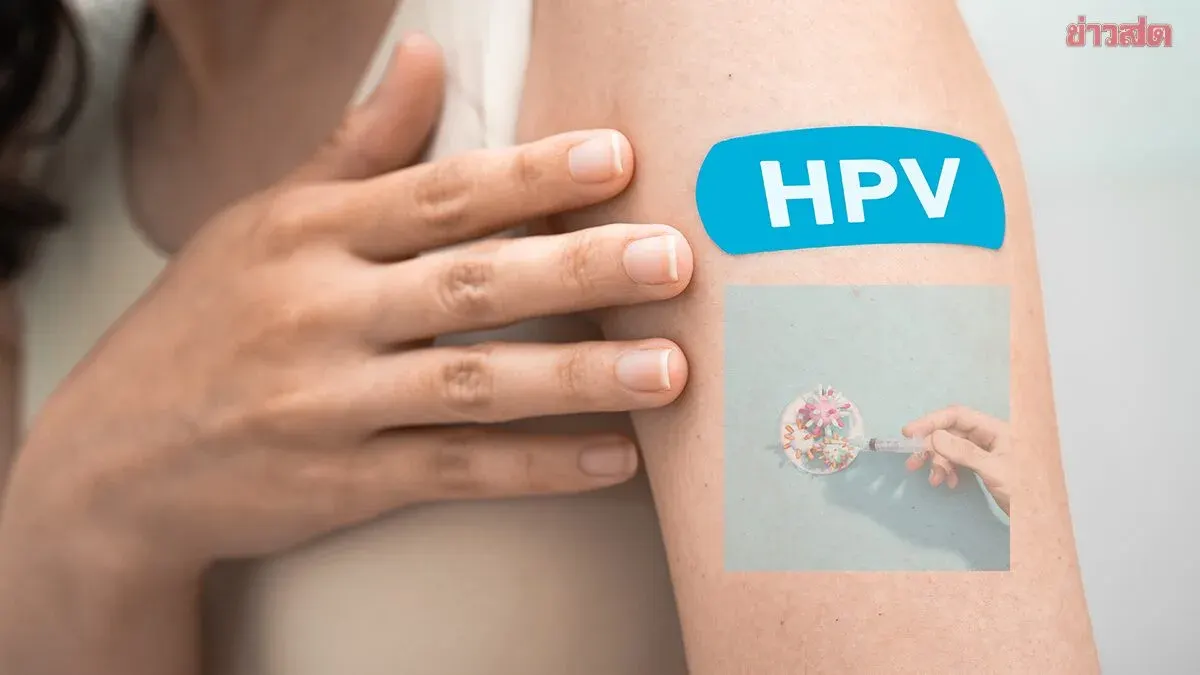
Don't be complacent! HPV does not discriminate by gender; it can infect both men and women and poses a risk for multiple types of cancer. Emphasizing that vaccination builds long‑term immunity, the article notes that many mistakenly believe HPV and cervical cancer affect only women, but the virus can be transmitted to anyone and is a major cause of cancers beyond cervical, including anal, vaginal, bronchial, and oral‑throat cancers.
HPV (Human Papillomavirus) is a group of viruses that can be transmitted through skin‑to‑skin and mucous‑membrane contact, especially in the genital, anal, mouth, and throat areas. Although some HPV types can be controlled or eliminated by the body’s immune system, infection with high‑risk strains may increase the chances of developing precancerous lesions and certain cancers.
HPV includes many strains; some cause genital warts, a common sexually transmitted infection, while high‑risk strains may lead to several cancers: - Cervical cancer: HPV is the main cause of this cancer. - Anal cancer: can occur in both men and women. - Vaginal cancer: found in women and is another HPV‑related cancer. - Bronchial cancer: occurs in both men and women, particularly among smokers. - Oral and throat cancer: can develop in both sexes.
Generally, the HPV vaccine is recommended starting at age 9, especially for those aged 9‑26, as this is the optimal period to build immunity before exposure to the virus. Both women and men can receive the vaccine. Individuals aged 27‑45 may consider vaccination after consulting a doctor to assess personal benefit and necessity.
Completing the vaccine series according to the schedule is important for proper immunity; however, immunocompromised individuals may need a different schedule and should check recommendations with a doctor or medical facility beforehand.
Getting the HPV vaccine is one way to manage long‑term health and reduce the risk of diseases linked to this virus. It is not only about self‑protection but also part of ongoing health care.
Do not wait until a risk appears to start prevention. If you are interested in the HPV vaccine, consult a doctor or medical facility to evaluate suitability, choose the appropriate vaccine type, and plan a vaccination schedule that matches your age and health condition.