Hua Seng Heng Predicts Gold Gains if AI Bubble Collapses
Thai gold trader Hua Seng Heng sees medium to long-term support for gold prices if the AI stock bubble bursts and triggers a US economic slowdown, potentially forcing the Fed to cut rates. Structural demand from record central bank buying and gold ETF inflows provides a floor, though short-term liquidity-driven selling remains a risk. The outlook hinges on whether an AI-led correction sparks a liquidity crisis or a monetary policy pivot.
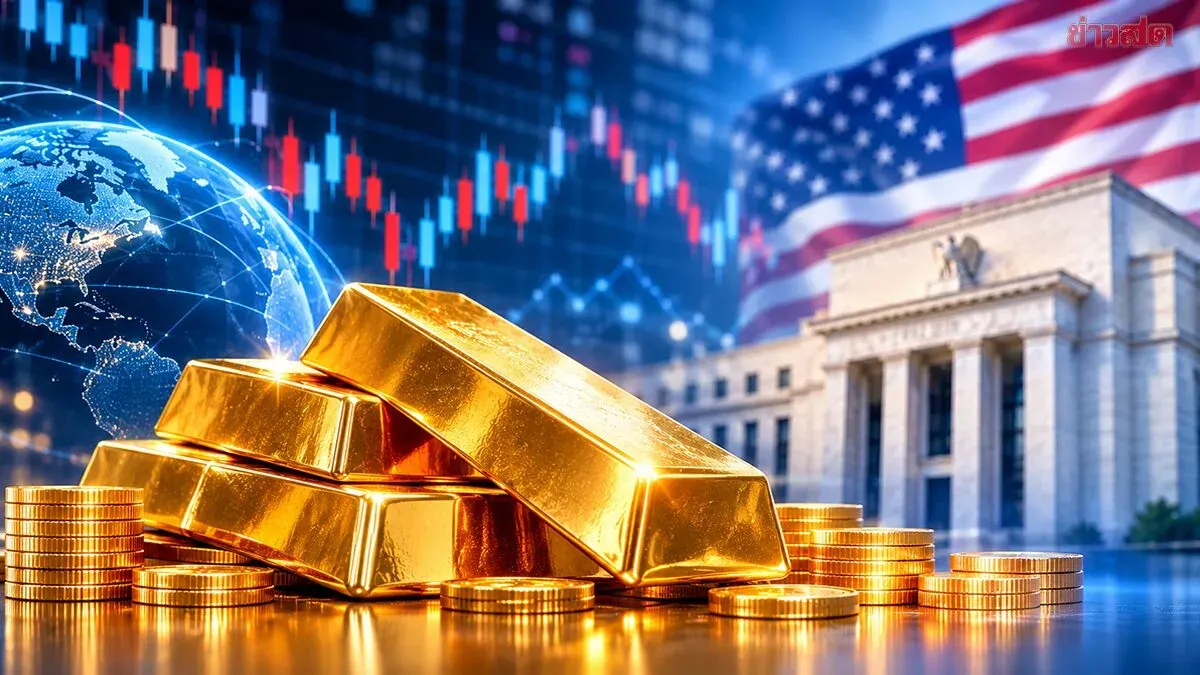
Hua Seng Heng assesses that medium to long-term gold trends still have supporting factors. If the AI stock market faces a severe correction that impacts the economy, it could pave the way for the Fed to ease monetary policy, pushing bond yields and the dollar lower and supporting gold buying. However, short-term caution is warranted due to selling pressure from liquidity shortages.
On November 24, 2026, Hua Seng Heng viewed that gold prices still have a chance to receive support in the medium to long term if global financial markets face volatility from a correction in technology stocks, particularly if concerns about an "AI bubble" spread to affect confidence and the US economy. This could lead markets to anticipate monetary policy easing by the US Federal Reserve (Fed), which would be a positive factor for gold.
According to Hua Seng Heng, if AI stocks correct sharply and impact the broader stock market, gold has an opportunity to attract increased interest as a diversification asset. However, gold does not mean it will rise immediately every time stocks fall. In the initial phase when investors face margin calls or need to increase liquidity, they may sell gold to raise cash to cover losses, causing gold prices to adjust lower alongside risk assets temporarily.
The key turning point will lie in the impact of the AI stock correction. If it spreads to affect the US economy and leads markets to assess that the Fed is likely to cut interest rates in the near future, US Treasury yields and the dollar have a chance to decline. This would help reduce the opportunity cost of holding gold and increase support for a recovery in gold prices.
In addition, gold has structural supporting factors from central bank and institutional investor purchases. The World Gold Council's Gold Demand Trends report for Q3 2026 stated that global central banks bought a net 321 tonnes of gold, up 42% from the same period last year, with cumulative purchases since the start of the year reaching 675 tonnes.
Meanwhile, global gold ETFs saw net inflows equivalent to 211 tonnes of gold, bringing total holdings to a record high of 4,256 tonnes.
Hua Seng Heng noted that the risk from the AI bubble is another factor gold investors should monitor, particularly the relationship between the stock market, bond yields, the dollar, and the direction of Fed monetary policy. If technology stocks correct only briefly while the economy and earnings remain strong, the positive impact on gold may be limited.
But if selling pressure spreads to affect confidence, investment, and the broader economy, gold has a chance to regain buying interest as a safe-haven asset, especially if markets begin to anticipate Fed rate cuts.
However, investors must still watch risks from interest rates and bond yields remaining at high levels, as well as a strengthening dollar, which may limit gold's upside. Therefore, the direction of gold from here does not depend solely on whether the AI bubble bursts, but also on whether the market correction leads to a "liquidity crisis" or a "shift in interest rate and dollar direction," which will indicate whether gold will face selling pressure initially or receive increased buying in the subsequent period.