Industrial Authority Cracks Down on Illegal Wastewater Dumping
Inspections of 19 factories at Amata City industrial park in Rayong found no illegal wastewater dumping, though authorities ordered fixes to water retention systems and drainage infrastructure after discovering excessive irrigation and soil
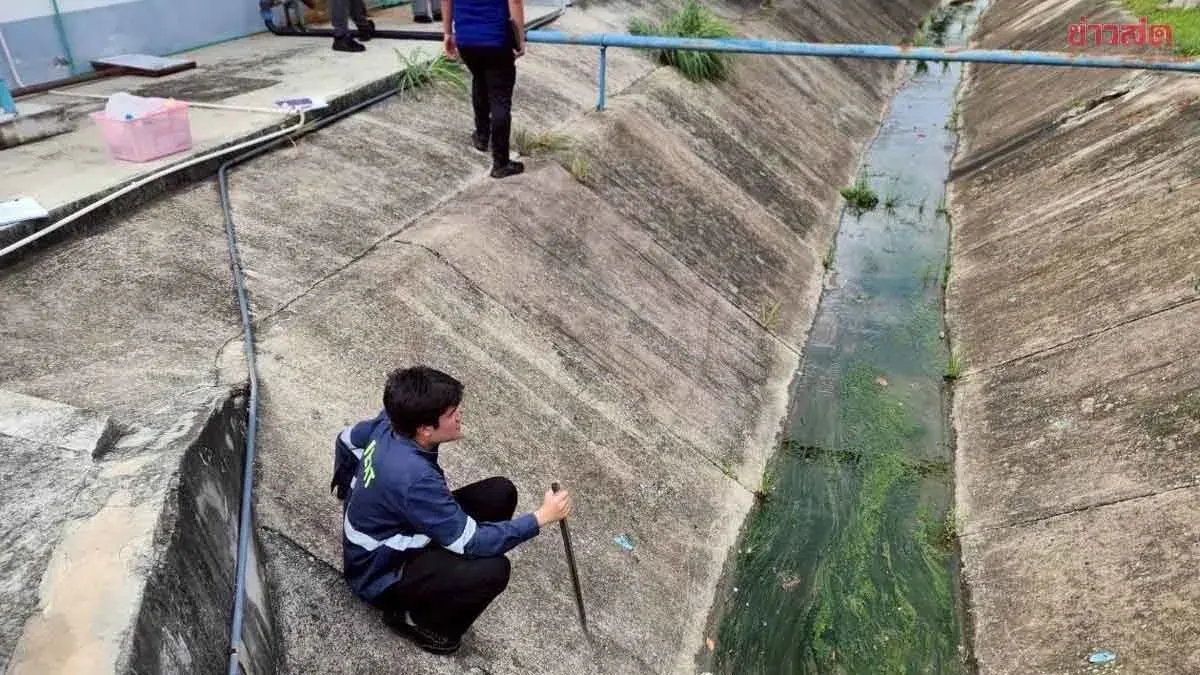
Thailand's Industrial Estate Authority (IEAT) announced results of spot checks on 19 target factories at Amata City industrial park in Rayong, confirming no illegal wastewater discharge was found. The authority warned that any factory violating environmental regulations will face immediate operational suspension with no exceptions.
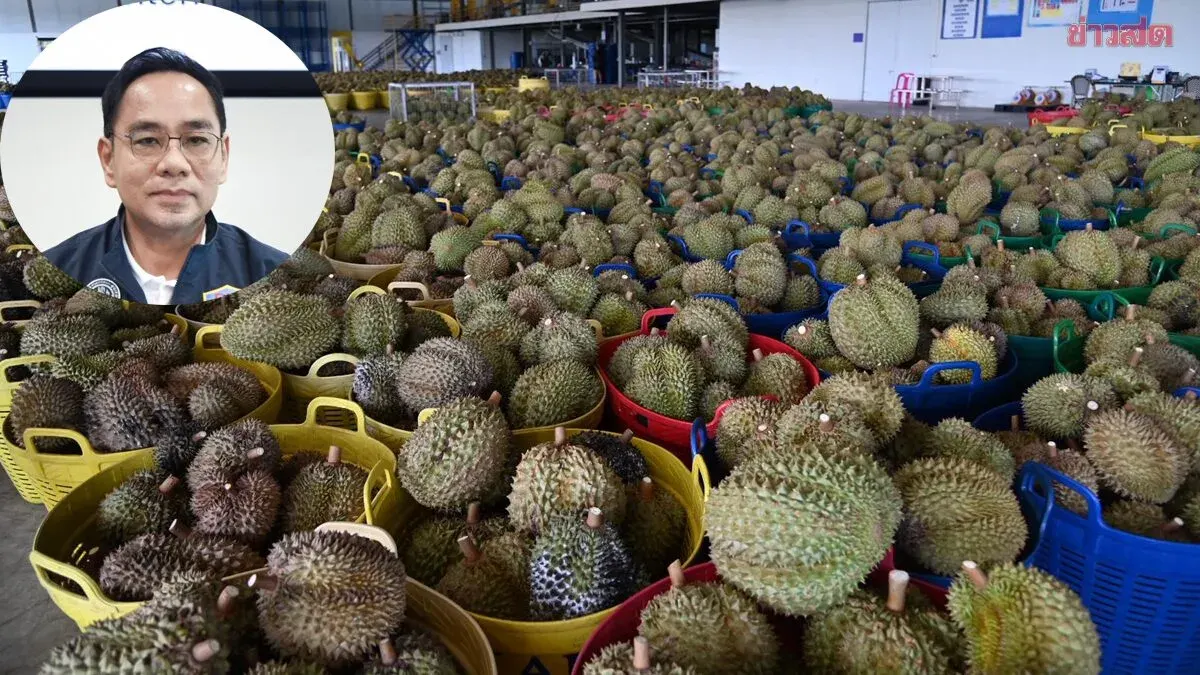
IEAT Governor Sumet Tangjaisaithit revealed findings from inspections of drainage systems discharging into public waterways and neighboring areas near Amata City Rayong. The investigation focused on target factories near wastewater treatment plants 3 (under construction) and 4, and areas adjacent to Phu Tai Canal. All 19 factories inspected showed proper separation of wastewater from stormwater systems and strict compliance with regulations, with water quality management meeting industrial park standards before discharge into the central treatment system.
The primary cause of water overflow into stormwater drains was traced to excessive use of treated water for irrigating green areas and soil subsidence near the treated water retention pond. "We have taken immediate countermeasures by ordering the industrial estate developer to block stormwater drains to prevent leakage into public water sources, and to urgently repair the retention pond system and restore affected areas to full condition as soon as possible, including rehabilitation of Phu Tai Canal and compensation for affected residents," the governor stated.
The authority emphasized balancing industrial development with environmental and social responsibility. IEAT stressed that all factories must strictly comply with factory laws and regulations. Governor Sumet reiterated that wastewater drainage systems must be completely separated from stormwater systems and require at least one water quality inspection point. Any violations will result in immediate legal action, penalties, and suspension of operations causing environmental and community harm.