Farmers Demand Swift Action on Water Contamination in Northern Rivers
Farmers in Northern Thailand are demanding urgent government action on heavy metal and arsenic contamination in major rivers from upstream mining operations, calling for international negotiations rather than domestic management alone. Rece
Farmers dependent on the Kok, Sai, Ruak, and Mekong rivers have called on the government to urgently address contamination from upstream mining operations and make it a national priority. Water quality tests at 22 sampling points conducted June 15–19, 2569 revealed continued arsenic exceedances in the Sai River, while the Kok River remained mostly within standards except at border areas. The Ruak and Mekong rivers showed arsenic levels within limits in water but dangerous levels of heavy metal accumulation in sediment, particularly at Chiang Khong on the Mekong, along with heavy metal contamination in soil, crops, fish, and groundwater in multiple locations. Although many samples remain below standard thresholds, they reflect an ongoing accumulation trend in the environment.
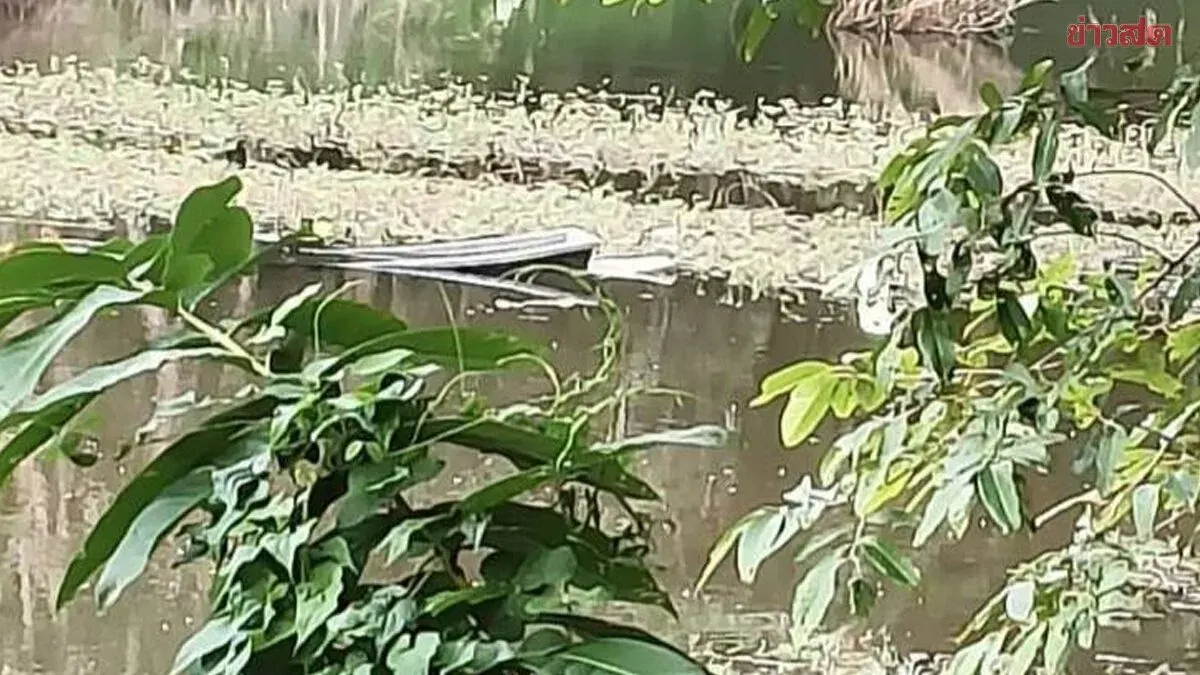
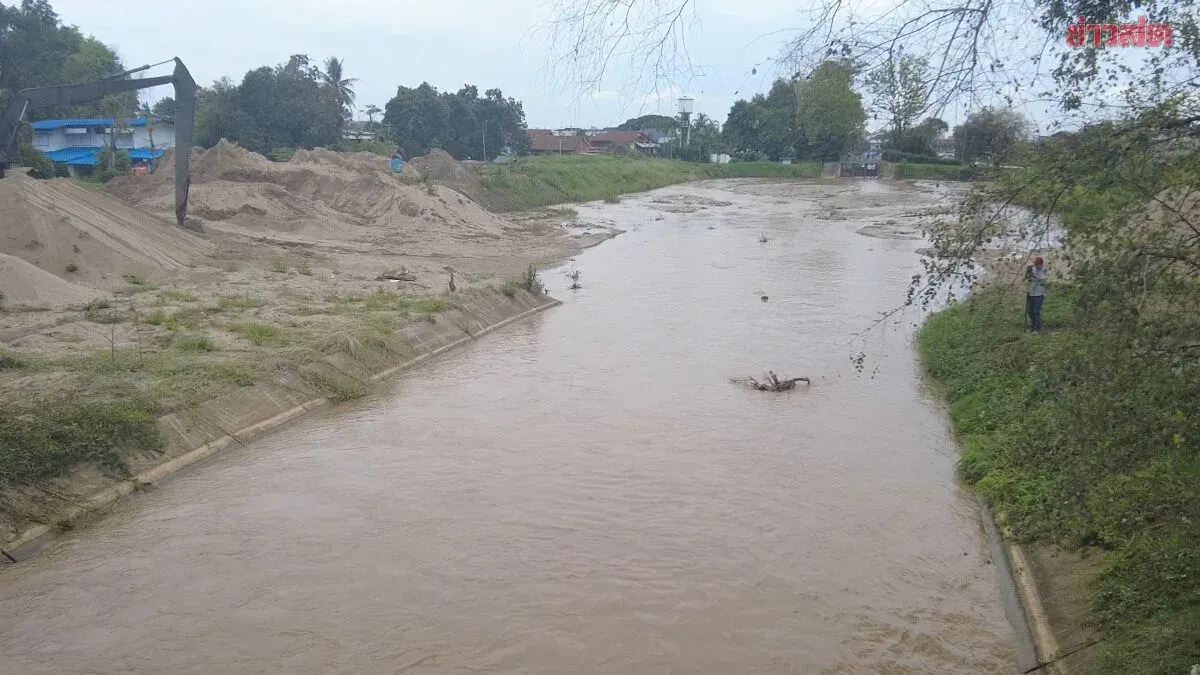
Farmers reported that murky water, sediment buildup, and increasingly severe flooding over recent years have reduced yields, requiring more frequent dredging in some areas. They called on the government to urgently negotiate with upstream nations to address the root cause rather than relying only on domestic budget allocations to manage the symptoms. Somkiat Khueanchaisa, chair of the Mae Nam for Life Association, said the group will compile proposals and feedback from all river basins from Chiang Mai to Chiang Rai and urge the government to designate Kok River basin pollution a national agenda item, demanding strict upstream mining controls and wastewater treatment to restore environmental quality and public confidence long-term.
Dr. Suebsakul Kitnukor revealed that the government has made progress securing new raw water sources for tap water supply to over 40,000 households in Chiang Rai to reduce long-term risks from using Kok River water. Plans also include establishing a laboratory in Chiang Rai Province to analyze water, soil, crops, and aquatic animals, with results available within seven days. However, the root cause—mining activities in neighboring countries—requires serious resolution through negotiations between the Thai government and relevant nations to sustainably end basin pollution.