Interior Ministry Awards Clean Provinces, Highlights Phuket Waste Model
The user wants a short summary (1-2 sentences, 120-220 characters, max 240) for a news article about the Interior Ministry's Clean Province awards. Key points: Deputy Interior Minister Warasit Liangprasit awarded provinces on Oct 30, highli
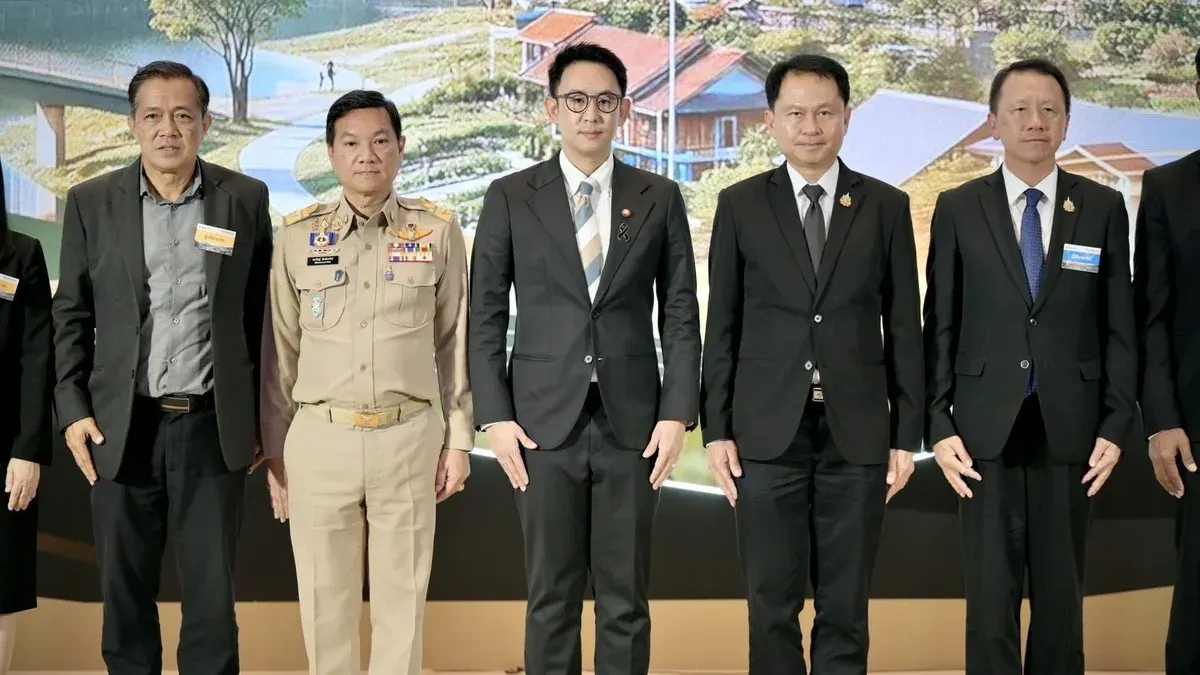
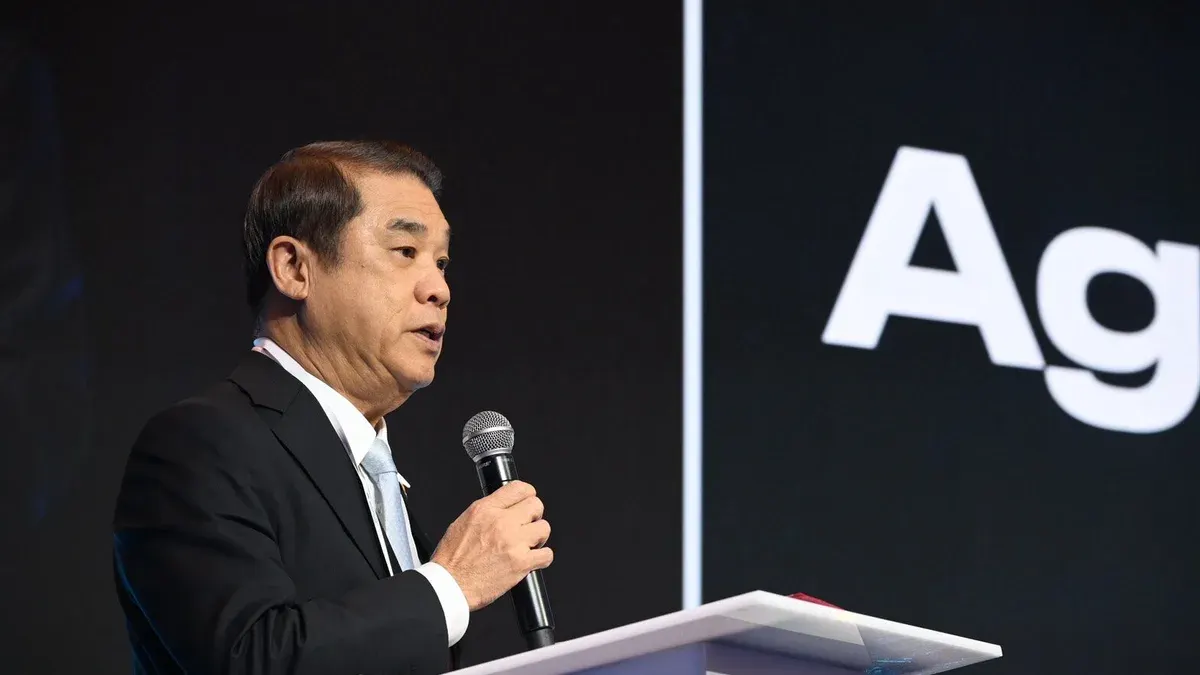
Deputy Interior Minister Warasit Liangprasit presided over the 2026 Clean Province awards ceremony on October 30 at the Grand Ballroom of the Millennium Hilton Bangkok. Also present were Permanent Secretary Arsit Sampanrat, Department of Local Administration Director-General Piya Pichan, governors, deputy directors, provincial officials, network partners, and award recipients.
Warasit congratulated the Ministry of Interior and all provinces on their success in driving community waste management, a key government policy given waste's direct impact on the environment and public health. Thailand is implementing its second waste management action plan to improve waste handling through source separation via local projects and activities, aligned with disposal methods. The focus is on maximizing resource recovery from waste — both as recyclable materials and energy — to minimize landfill volume through cooperation among regional agencies, local administrations, and the public.
Warasit noted this year's competition was specially designed by the Department of Local Administration to find outstanding Clean Provinces as sustainable waste management models, excelling in source, mid-stream, and end-point management, plus innovation and electronic systems across multiple platforms. These will serve as templates for all provinces.
He praised the "Local Volunteers Protect the World" (Or Thor Lor) as a crucial force helping local administrations manage disasters, waste, and natural resource protection. He emphasized that effective action starts at the household level, which not only reduces waste at source but instills environmental consciousness in youth and strengthens family and community bonds through shared environmental activities.
Warasit highlighted the waste crisis in major economic zones like Phuket, where rapid tourism growth generates about 1,200 tons of waste daily but the incinerator only processes 700 tons for electricity. The remaining 500 tons must be landfilled — difficult given Phuket's mountainous coastal geography. Nearly half the waste is food scraps; separating this at source would significantly reduce the disposal burden.