Labor Minister Defends Disqualification of Social Security Board Candidate
Labor Minister Julapun Amornvivat defended the disqualification of Social Security Board candidate Thonphong Cheuamuangpan, stating the Election Committee's decision was based on clear legal grounds and a court judgment. Julapun emphasized that political parties must vet candidates more thoroughly and warned that the disqualification could have retroactive effects, including recovery of past meeting fees. The case involves oversight of the 3-trillion-baht social security fund.
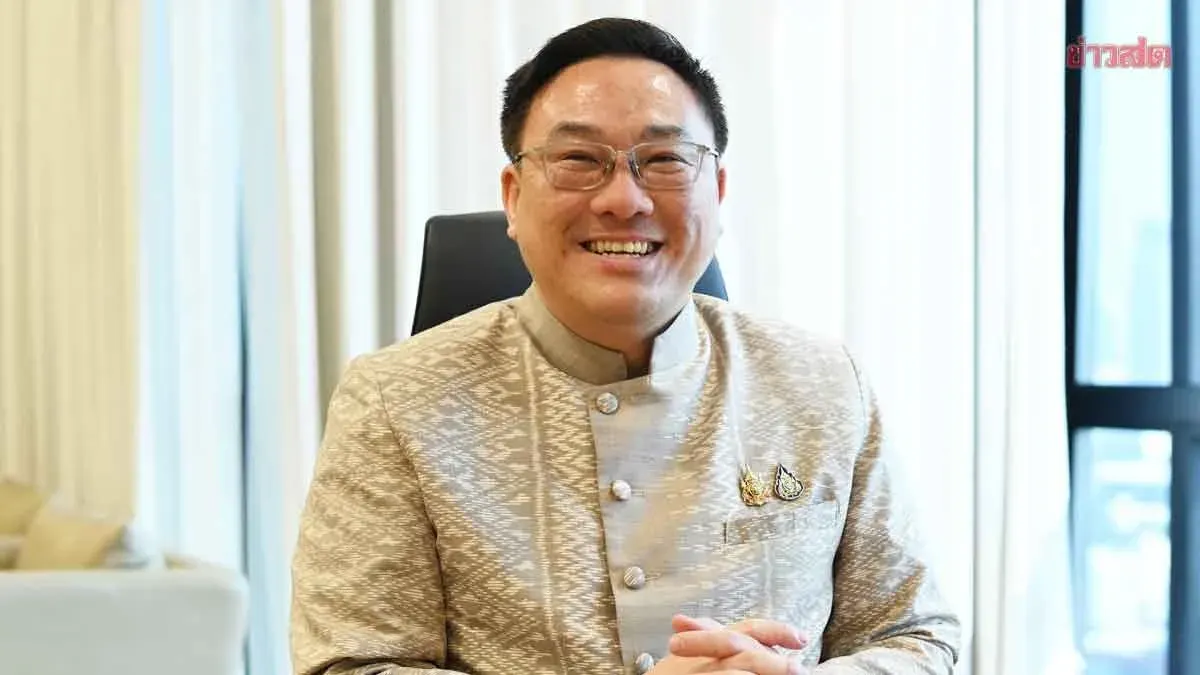
Labor Minister Julapun Amornvivat explained that the disqualification of candidate Thonphong Cheuamuangpan from the 'Social Security Forward' team was based on evidence and law, challenging critic Sastharam not to distort the Social Security Board's proportions. He emphasized that advisors have no voting power and warned the Pheu Thai Party to vet candidates carefully before fielding them, rather than accepting the role of being acted upon.
On November 27, 2026, Julapun addressed criticism regarding the Social Security Office Election Committee's decision to disqualify Thonphong Cheuamuangpan for lacking qualifications under Election Regulation Article 23(8), despite multi-step verification before the election. He noted that while no complaints arose during the 2023 election, detailed review revealed a court judgment affecting other relevant elements, making the disqualification clear and unavoidable under Article 28.
Julapun confirmed the problematic data also existed in the 2023 election, with past court rulings indicating that discovering disqualifying attributes affects past actions as well, such as meeting fees received, which the agency must recover. He stated that during registration, information provided may not match behind-the-scenes facts, and details must await coordination between the Social Security Office and the individual, who has the right to disclose or not.
"If we want the best outcome, candidates know themselves best. Political parties sending them must vet more thoroughly. If they know there will be problems, they shouldn't send problematic candidates, then claim we acted wrongly. The issue lies with the individual; parties must be more careful."
Regarding whether the law specifies a timeframe after punishment before one can run, Julapun said the law sets no timeframe, only requiring that candidates have never been dismissed for corruption in public or private sectors. Even a suspended sentence constitutes a disqualifying attribute for a position overseeing 3 trillion baht.
On allegations that confidential data submitted to the Election Committee leaked to the minister's team and was publicized, influencing the ruling, Julapun said he warned the person who raised it, though he was unaware as he didn't ask. He stressed he discussed structure and law without revealing documents or names. He declined to publicize the ruling itself as it is personal, and doing so for political gain could harm the individual, who can disclose it themselves if they wish.
Regarding retroactive effects, including recovery of meeting fees or past income, Julapun... [content truncated]