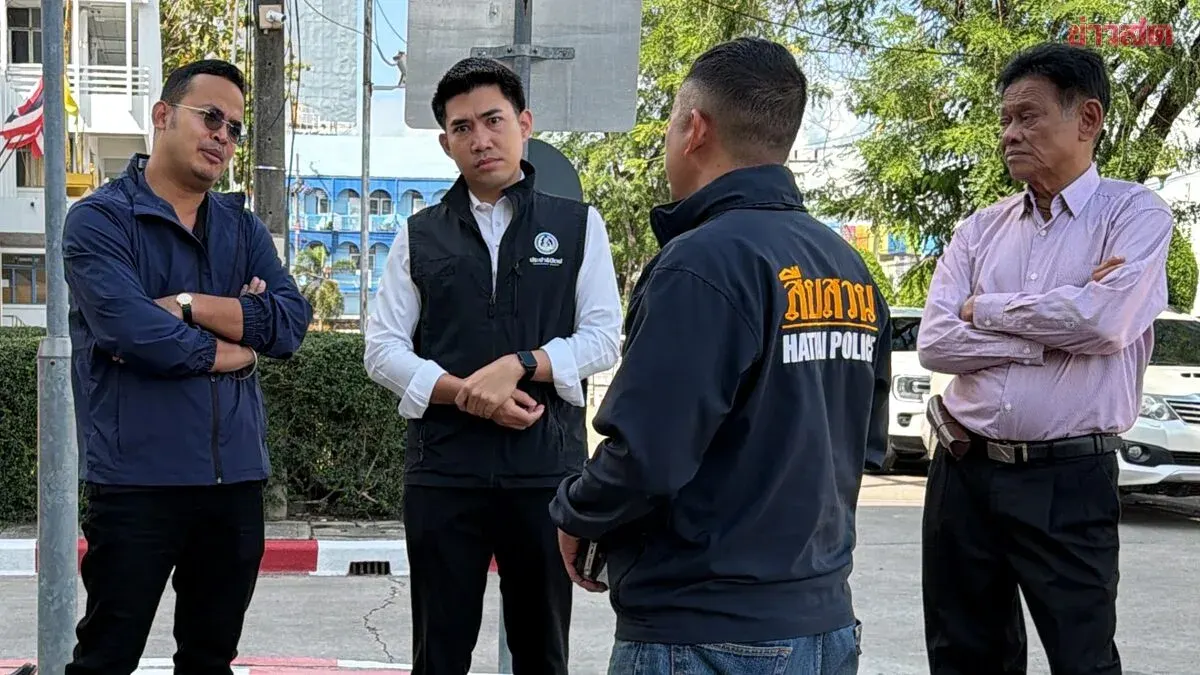
Labor Minister Orders Repayment of Social Security Board Fees
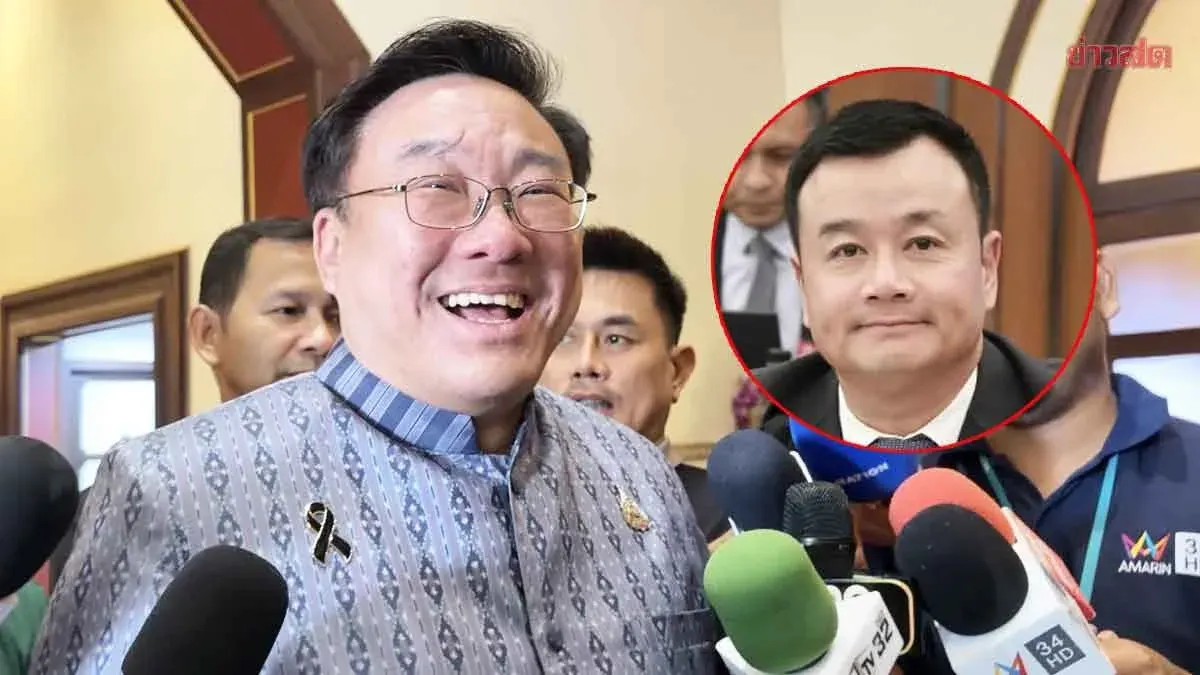
Labor Minister Julaphan Amornvivat announced that Social Security Board nominee Thanapong Chueamuangpan was unanimously disqualified for failing to meet legal qualifications. The Social Security Office will pursue legal action to recover meeting fees and income from his previous term. Two anonymous complainants triggered the review, and their identities are protected to prevent retaliation, while the minister insists the process was strictly legal, not political.
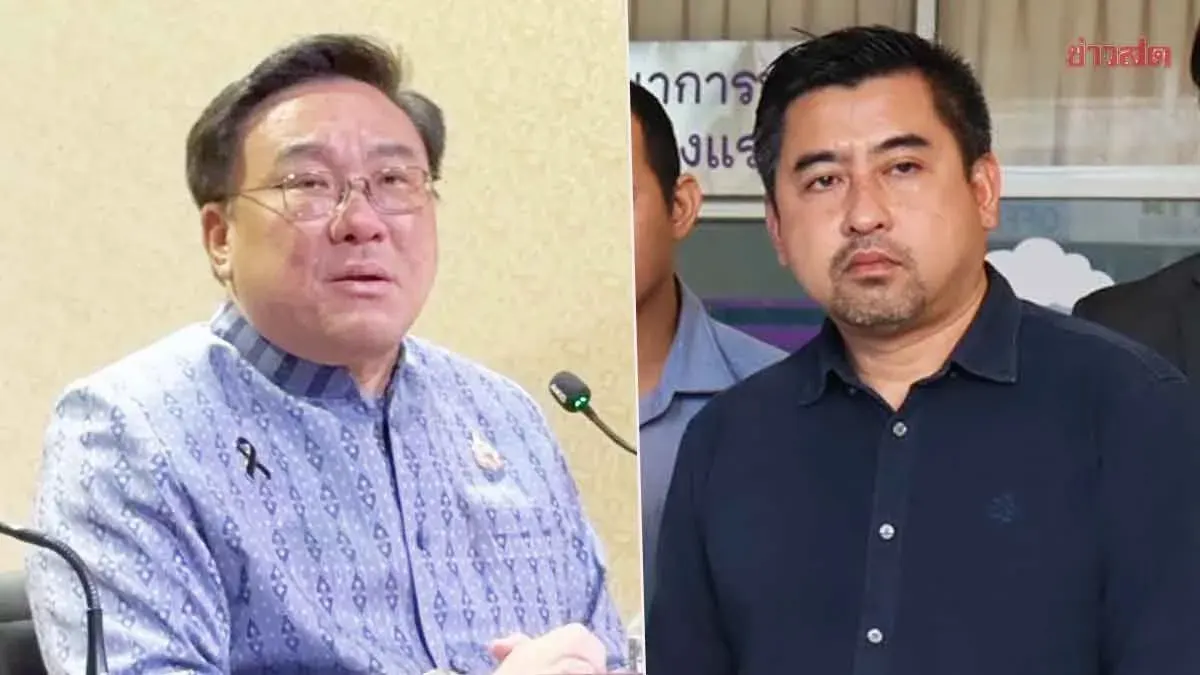
At 11:30 a.m. on November 27, 2026, at Government House, Labor Minister Julaphan Amornvivat addressed the verification of qualifications for candidates elected to the Social Security Board. Following observations that the People's Party had nominated candidates, he stressed the review was a legal matter, not political. Evidence clearly showed Thanapong Chueamuangpan was disqualified for incomplete qualifications under Regulation 23(8), making him ineligible to serve. The November 26 consideration was unanimous with clear evidence.
After learning of the resolution, the minister requested evidence from the committee and confirmed the documents supported disqualification — no one could rule otherwise. The next candidate in line will be advanced automatically per legal procedure, regardless of score. When asked if the Social Security Office would take legal action against applicants who knew they lacked qualifications, Julaphan confirmed there would be due process given the continuing impact and complexity, especially since Thanapong had already served as a board member.
Regarding retroactive effects — recovering meeting fees or income received — Julaphan said it is the Social Security Office's duty to act. However, the previous board's "consensus" decisions remain a headache: any income from serving on a board improperly constituted must be returned. Voting decisions are less impactful since the previous board rarely voted formally, mostly operating by consensus.
Asked to disclose the specific missing qualifications, Julaphan said court rulings are referenced in documents but he would not reveal details, citing personal privacy and corruption concerns. He confirmed no other complaints are under consideration. The seven-member board endorsement should be finalized within seven days, allowing time for objections once the eighth name emerges.
When the People's Party demanded disclosure of the complainants, Julaphan refused to prevent "witch hunts," affirming both complainants were legally eligible and had standing. He does not know their names as the process follows legal procedures, not personal interest.
Regarding social media criticism of the minister and Pheu Thai Party, Julaphan insisted all actions were strictly legal, suggesting critics should question those who nominated the candidate. He refused to engage in political battles but affirmed commitment to legal process: "If the name comes back unqualified, what should we do? Appoint knowing it's wrong? How would society view us? How do we move forward?"