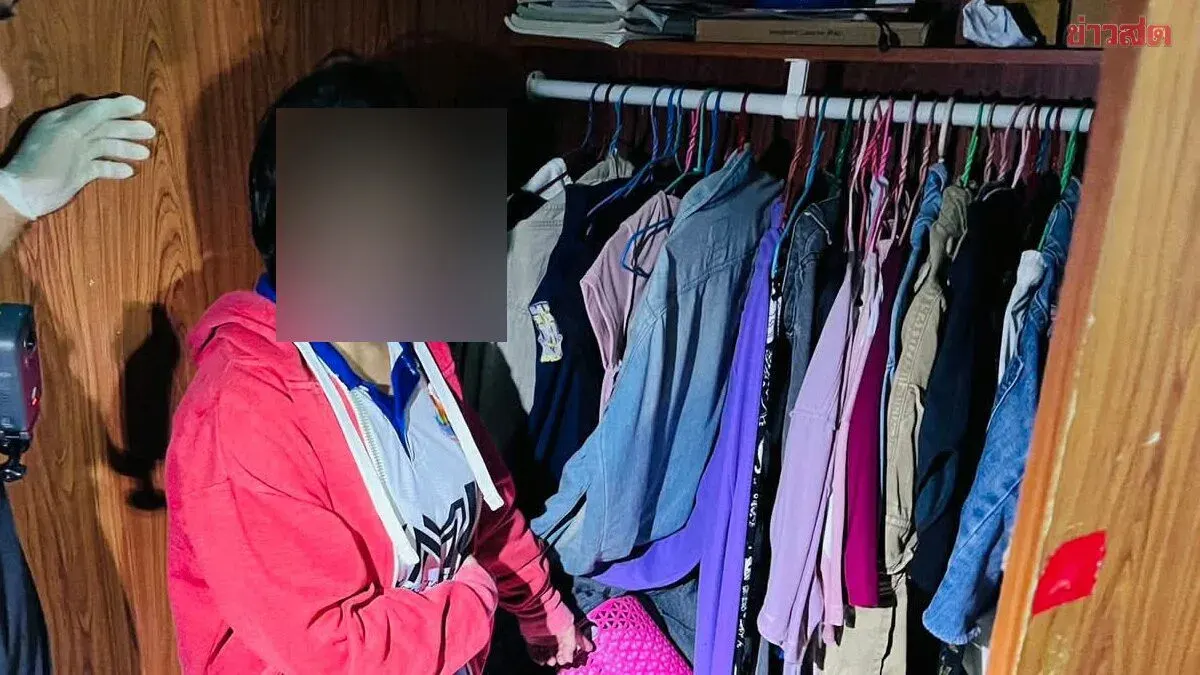
Landlord Recovers Rented House After Legal Fight, Finds Severe Damage
A Nakhon Pathom landlord has regained his rental property after a legal battle with a tenant who fell behind on rent, made unauthorized modifications, and filed a trespassing complaint against the owner. Upon reclaiming the house, the landlord discovered severe damage, missing belongings, and unpaid utility bills totaling hundreds of thousands of baht. He now advises other property owners to use detailed written contracts rather than verbal agreements to avoid similar disputes.
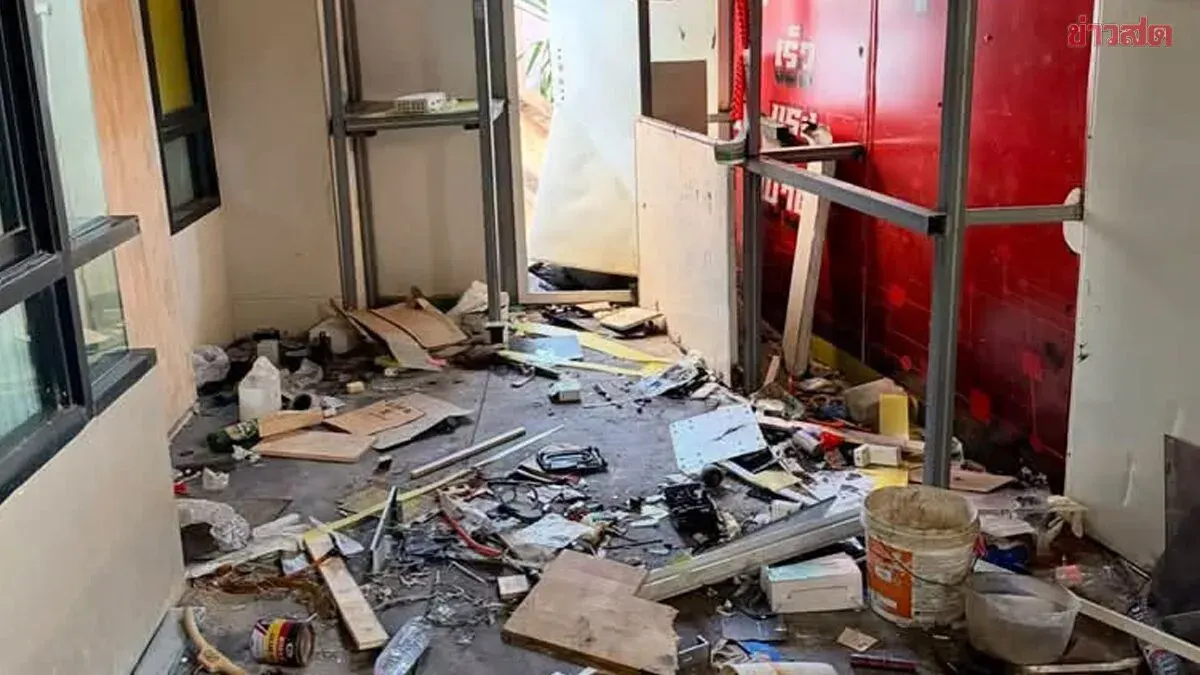
A landlord in Nakhon Pathom has finally recovered his house after a protracted dispute with a tenant. The owner, 37-year-old Patcharaphan (nicknamed Pop), previously complained that the tenant had fallen behind on rent, made unauthorized extensions, and altered the property's condition. The dispute escalated to the point where the tenant filed a trespassing charge against the landlord, and both parties appeared on a TV talk show and were scheduled to meet at the prosecutor's office.
As of 11:30 AM on November 20, 2026 (2569 BE), Patcharaphan told Khaosod Online that after pursuing legal proceedings, he regained possession of his home. Upon re-entering after the tenant moved out, he found the house completely transformed. Patcharaphan said he had to handle multiple legal fronts — lawsuits filed against him and police reports he filed — while juggling work as a hairdresser. He admitted the past period had been exhausting.
He regained the house with help from a legal team that filed an eviction lawsuit and pursued a demolition order for the unauthorized additions. Mediators suggested settling without a lengthy eviction suit to save time. However, damages must still be pursued through civil court.
The tenant agreed to move out, taking 3-4 days to remove belongings, finishing around November 18. Patcharaphan did not supervise the move but had insisted items be moved during safe hours since the electricity had been cut, posing safety risks to neighbors.
Regarding the tenant posting the house's contents for sale on social media — including hairdressing equipment, computers, desks, and appliances — Patcharaphan could only watch and file police reports later, following police advice to follow legal procedures. He felt authorities should have intervened to stop the removal in real time. He acknowledged that despite appearing tough in video clips, he had moments of weakness and cried alone several times.
Although the tenant verbally agreed to take responsibility for unpaid electricity bills and damages, the entire burden ultimately fell on the landlord: outstanding electricity bills for the main house, side, and rear areas; structural damage from demolished or altered sections; and missing items. Preliminary damage estimates run into hundreds of thousands of baht.
Asked about the property's future, Patcharaphan said he must rent it out due to financial pressures, though options are limited. He is also open to selling. He urged prospective landlords not to rely solely on social media or phone conversations, but to draft clear, comprehensive contracts covering entry/exit, locking, and asset movement to prevent problems. He concluded that the 'gentleman's agreement' became a harsh lesson, and he hopes good tenants will come, live happily, and be good neighbors.