Lawmakers Question 6.5 Billion Baht Drought Fund Over Corruption Risks
Lawmakers question whether a 6.5 billion baht drought relief fund risks corruption, citing past abuse and concerns that solar-powered water projects may be designed to benefit specific contractors rather than address actual water shortages.

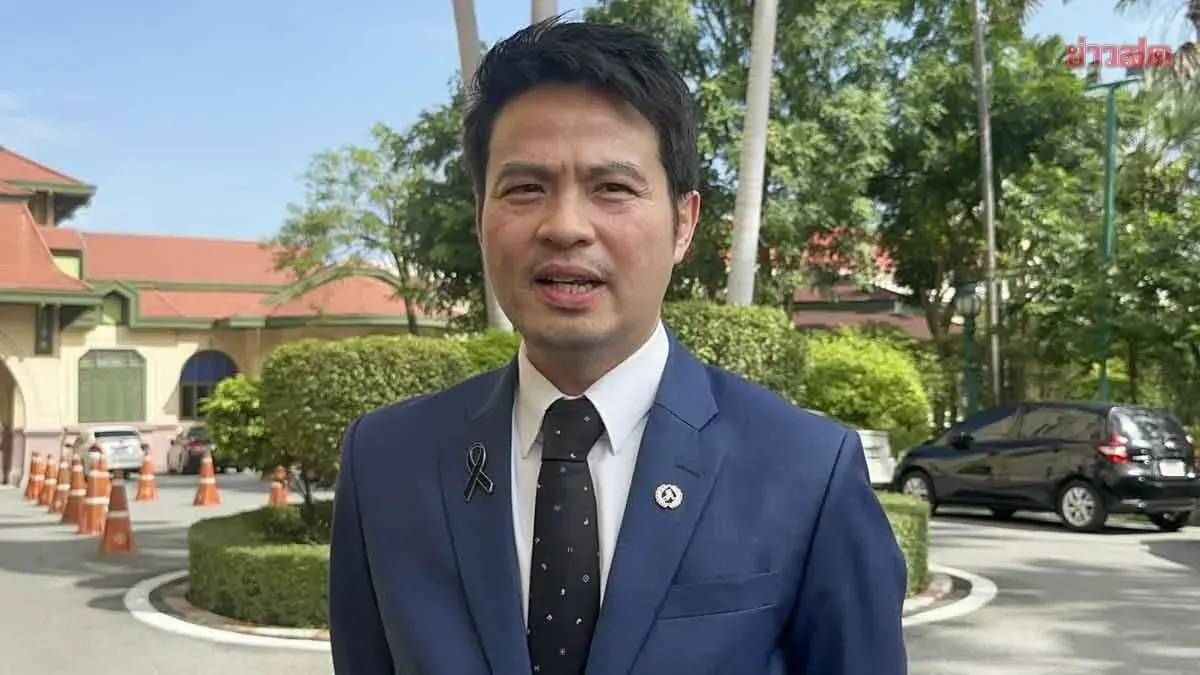
At 9:30 a.m. on July 24, 2569 at Parliament, Sirikannya Tansakul, a list-system MP and deputy leader of Pheu Thai Party, discussed the fiscal year 2570 budget bill during a special parliamentary committee review. She stated that approving 6.5 billion baht in central budget funds for drought relief was problematic given that all parties recognize budget shortfalls so severe the government must reserve 10 billion baht transferred from 2569 spending.
The concern deepens because an additional 6 billion baht is allocated for water projects, specifically a solar-powered groundwater drilling initiative rather than conventional groundwater extraction. Sirikannya warned this may repeat 2568 mistakes, when the NACC flagged 7.5 billion baht in drought and flood management spending for corruption risk and irregularities, leading the government to cancel those projects.
She called for public scrutiny as the TOR (Terms of Reference) review opens for comment, urging experts to flag any "spec-locking"—restricting technical specifications to favor particular private companies. Solar groundwater projects require drilling equipment, solar panels, electrical systems, inverters, and other gear, creating risk that benefits go to specific contractors. She criticized the contradiction: the central budget gains 6.5 billion baht for drought while the Irrigation Department loses 7 billion baht, questioning whether drought is even real and noting the government feels compelled to launch emergency projects late in the fiscal year despite tight finances and creditors demanding payment for projects like the orange electric train line and Khlong Dhan bridge costs.